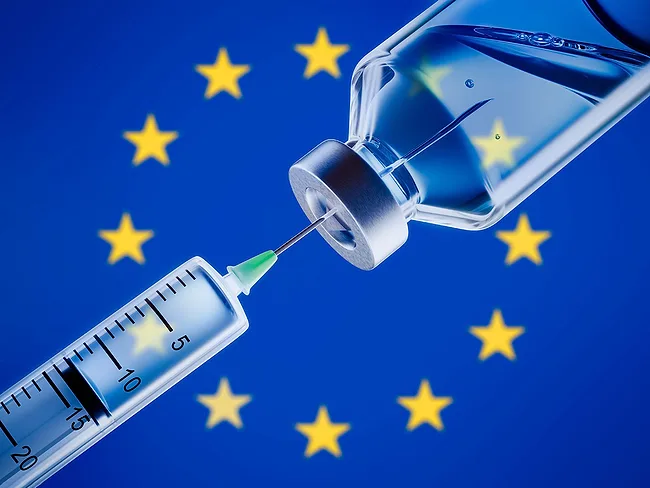
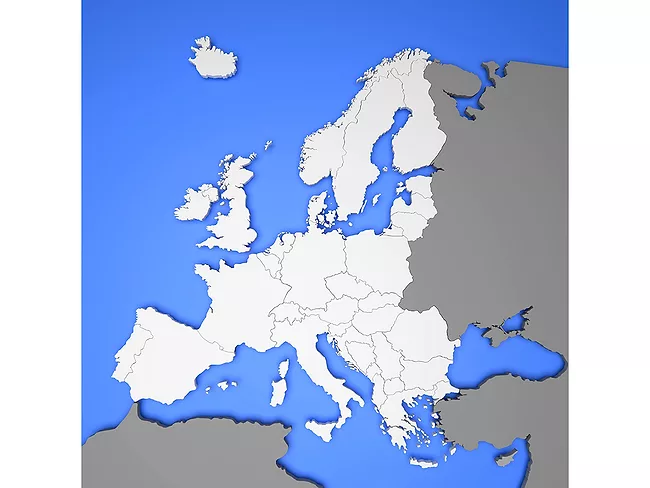
The industry is in support of the EU Biotech Act but says it needs to go further to restore Europe’s competitive position in biopharma. Instead of incremental adjustments, there should be wide-ranging change to create a system that supports the full lifecycle of drug development, from academic research and clinical development, to manufacturing and commercialization.
Venture capital firms and research institutions have launched the European Life Science Coalition in a bid to strengthen Europe’s VC ecosystem by mobilizing more private and public investment.
Venture capital firms and research institutions have launched the European Life Science Coalition in a bid to strengthen Europe’s VC ecosystem by mobilizing more private and public investment.
One of the problems of doing business in the EU is that each member nation has its own more or less unique requirements for clinical trial registration, but the Medical Device Coordination Group may have a solution in the form of a pilot program for harmonized clinical trial registration.
The European Commission has proposed legislation that would ease some of the EU’s barriers to innovation, but MedTech Europe said that while the European Innovation Act would be helpful, it is no substitute for fixing what’s already ailing the EU med-tech industry.
The EU’s Medical Device Coordination Group issued a guidance on the types of products that qualify as in vitro diagnostics (IVDs), including some important distinctions even in instances in which a given analyte is the subject of two tests.
Device makers know all too well the hazards of liability where their products are concerned, but those liabilities may soon balloon dramatically in the EU. Two pieces of EU legislation are in development, including the AI Liability Directive, which may have the effect of forcing the defendant in a liability case to prove that its product was not the cause of the alleged harm.
The European Union has implemented legislation governing artificial intelligence (AI) with more on tap, but the U.S. has to date lagged in that area. However, the House of Representatives has assembled a bipartisan task force for AI, one of several developments suggesting that 2025 will be an even more AI-focused year than 2024.
The EU has declared that it will investigate the anticompetitive practices of the People’s Republic of China where medical devices are concerned, a clear sign that device makers in the European Union succeeded in persuading Brussels that the Made in China 2025 initiative represents an intolerable form of economic adversarialism.
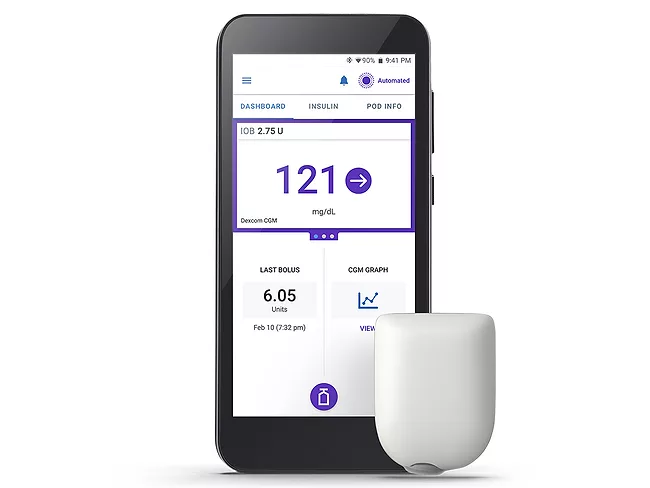
Insulet Corp. received the greenlight from EU regulators to combine its Omnipod 5 automated insulin delivery (AID) system with Abbott Laboratories Freestyle Libre 2 Plus sensor to treat individuals aged two years and older with type 1 diabetes.