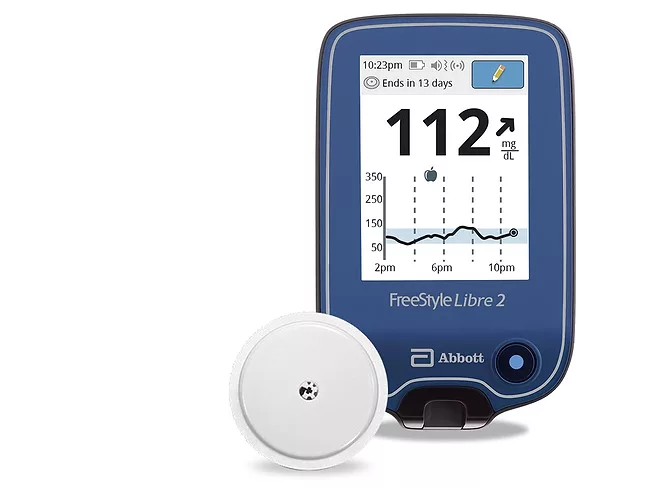
The U.S. FDA finally granted Abbott Laboratories' Freestyle Libre 2 clearance as an integrated continuous glucose monitor (iCGM) for adults and children age 4 and older with diabetes. Abbott received CE mark for the device more than 18 months ago and discussed its submission to the FDA in an earnings call over a year ago. Abbott expects the device to be available at pharmacies and durable medical equipment suppliers within weeks.
The U.S. FDA reported that 28 serology tests for antibodies for the SARS-CoV-2 virus either have been withdrawn from the market by the sponsor or delisted by the agency for failure to comply with its notification process for emergency use authorization (EUA). The agency said the list of unavailable tests will be updated over time. For his part, Commissioner Stephen Hahn said the move was undertaken “to ensure that Americans have access to trustworthy tests.”
The FDA’s response to the COVID-19 pandemic has been matched by device makers, but the ID Now molecular test by Abbott Park, Ill.-based Abbott Laboratories has been the target of recent criticism. Tim Stenzel, director of the Office of In Vitro Diagnostics and Radiological Health, said at a May 20 town hall meeting that Abbott has agreed to yet another study of the ID Now, the terms of which were under negotiation at the time of the meeting.
Edwards Lifesciences Corp. has gained a CE mark for its Pascal transcatheter valve repair system to treat tricuspid regurgitation (TR). It was previously approved for mitral regurgitation treatment. Due to the pandemic, Edwards has paused new enrollments in its ongoing mitral and tricuspid pivotal clinical trials.
Abbott Laboratories’ ID Now test for the SARS-CoV-2 virus made waves when it was introduced thanks to the rapid turnaround time the molecular test promised. But questions about the test’s performance have surfaced several times in recent weeks. The latest criticism comes from a study conducted at the New York University Langone Medical Center, which claims the diagnostic compared poorly against a competitor. However, the U.S. FDA said that it has questions about the swabs and transport media used in connection with the test. As a result, it will stand pat regarding the ID Now’s place in the emergency use authorization (EUA) program.
Abbott Laboratories received FDA emergency use authorization (EUA) for its COVID-19 molecular test, which will run on the company's new Alinity m system, as well as its COVID-19 antibody blood test, which will run on the Alinity i system. The two actions bring to five the number of COVID-19 tests developed by the Abbott Park, Ill.-based company to receive EUAs.
As states in the U.S. move past the initial push for tests to identify active COVID-19 infections, antibody tests are ramping up quickly to aid in disease surveillance and return-to-work screenings. The rush has spurred an explosion in serology tests, many hastily developed and of questionable value. However, as the pandemic enters its third month, some companies are offering high-accuracy tests with validated results.
The COVID-19 pandemic has shaken the world – and the face of diagnostics. In a matter of weeks, a host of companies has worked to develop tests to find those patients who currently have the disease, as well as those who have developed antibodies.
PARIS – In the wake of the news that Swiss group Roche Holding AG received an emergency use authorization from the U.S. FDA as well as a CE-IVD certification for the Elecsys Anti-SARS-CoV-2 serology test to detect antibodies in people previously exposed to SARS-CoV-2 that causes the COVID-19 disease, the company unveiled its plans for the launch of the product.
The COVID-19 pandemic has gripped the conversation regarding diagnostic and surveillance testing, but stakeholders nonetheless saw fit to populate the docket for the FDA’s proposal to down-classify tests for the human immunodeficiency virus (HIV) to class II. One of the themes of the feedback was that the proposal excludes a few key items, such as quantitative nucleic acid tests and testing for viral load monitoring, leaving the FDA with some difficult decisions to make.