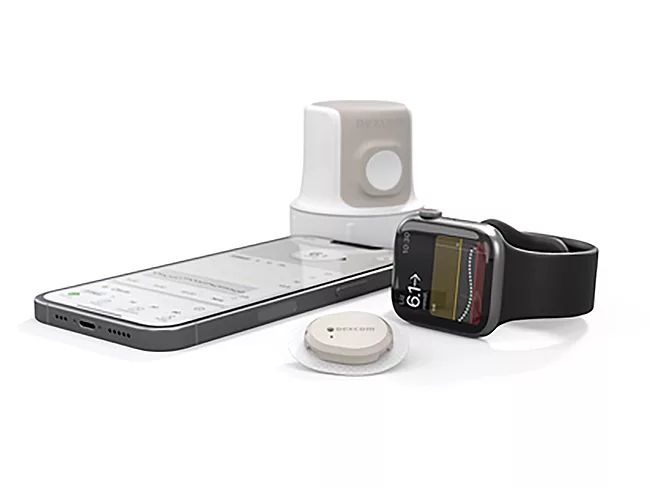
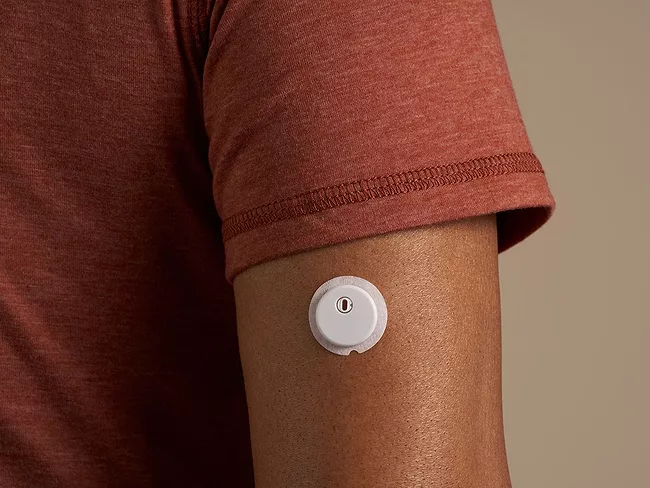
Dexcom Inc. and Insulet Corp. reported new clinical trial data on their diabetes technologies at the 2026 Scientific Sessions of the American Diabetes Association in New Orleans, offering insights that could aid in clinical adoption. Abbott Laboratories, meanwhile, highlighted the risks of diabetic ketoacidosis (DKA) and presented data showing the growing challenge of identifying DKA as it can develop quickly and mimic common illnesses.
Abbott Laboratories received CE mark approval for two dual glucose and ketone sensing systems, bringing to the market sensors that could be transformational to the lives of people with diabetes at risk of diabetic ketoacidosis.
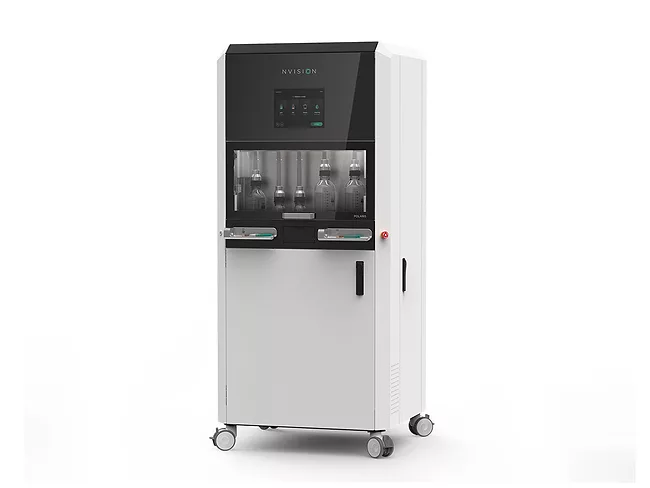
Nvision Imaging Technologies GmbH raised $55 million in a series B financing round led by Abbott Laboratories for its quantum-enhanced sensing platform, Polaris, which uses quantum technology to boost the MRI signal of sugar-based imaging agents to enable real-time measurement of metabolism on standard MRI systems. Sella Brosh, CEO and co-founder of Nvision, told BioWorld that the funds are extremely important as the company is scaling the Polaris systems to many more sites worldwide, which is a capital intensive process.
New data on pulsed field ablation (PFA) presented at Heart Rhythm 2026 in Chicago over the weekend continue to show the benefits and superiority of the technologies in treating patients with atrial fibrillation. The PFA landscape is fast-evolving and med-tech players are jostling for market share with ever-differentiated platforms looking to attract electrophysiologists.
Abbott Laboratories saw its shares fall in early trading April 16 after cutting its guidance for 2026 on the back of dilution related to its $21 billion acquisition of Exact Sciences Corp. The company revised its full year adjusted earnings per share guidance to $5.38 to 5.58, down from $5.55 to $5.80 previously. The updated outlook includes 20 cents of dilution related to the Exact deal. Abbott also reported first quarter profits of $1.08 billion, down 18.7% from a year ago.
Med-tech M&A activity surged in March 2026, with deal value reaching $23.66 billion, the highest monthly total since June 2022’s $36.27 billion and a sharp increase from $17.53 billion in February and $1.69 billion in January.
Med-tech deal value, excluding M&As, totaled $628.41 million in the first quarter (Q1) of 2026, an increase of about 322% from the $149.08 million recorded in Q1 2025 though a 36% drop from Q4 2025‘s $978.58 million.
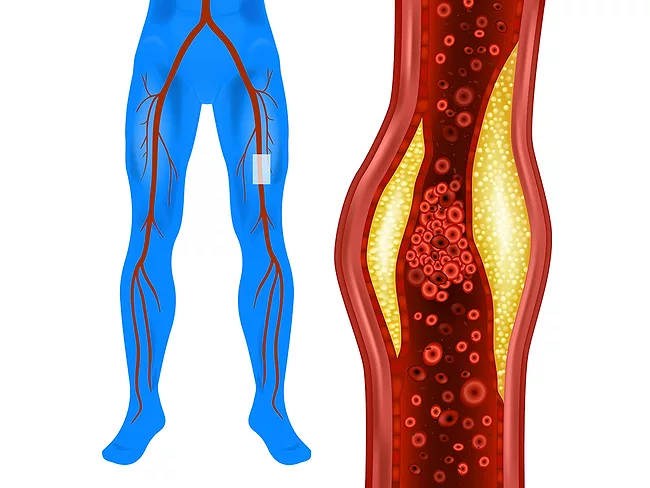
With cases of peripheral artery disease (PAD) rising across the U.K., and lower limb amputations continuing to increase, med-tech companies joined forces with parliamentarians and health care professionals to push for urgent reform of the vascular sector.
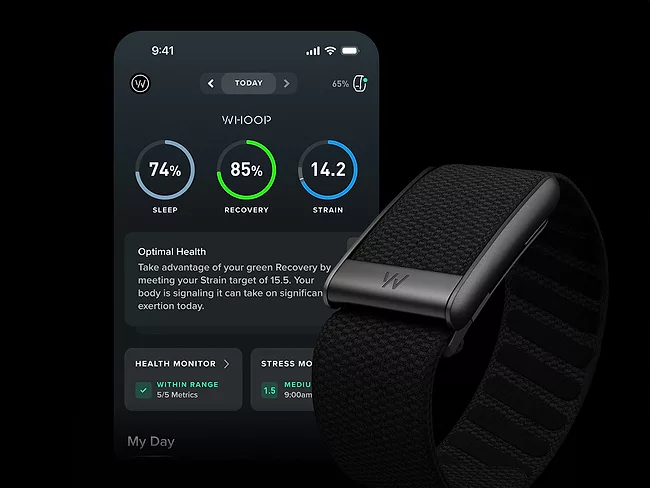
Whoop Inc. secured $575 million in a series G funding round at a $10.1 billion valuation to advance its AI-powered wearable platform for personalized and preventive health care. Abbott Laboratories joined the round as a strategic investor, backing the company’s push to expand access to its device amid growing demand.
Polares Medical SA raised $50 million in a series C financing round for Mrace, its posterior leaflet replacement system designed to treat mitral regurgitation.