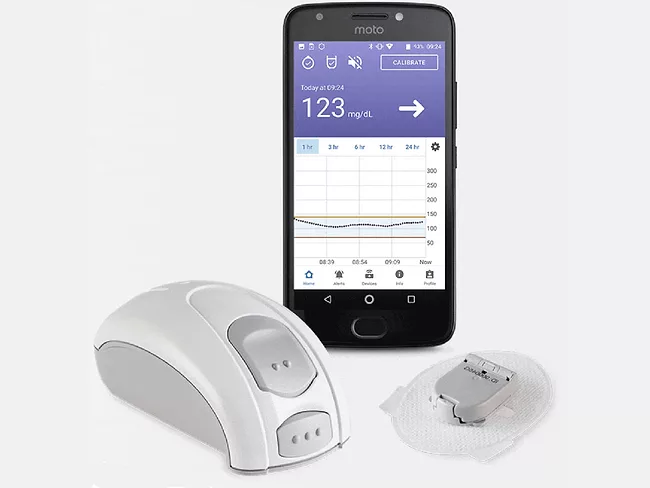
Trinity Biotech plc. paid $12.5 million to acquire Waveform Technologies Inc.’s biosensor and continuous glucose monitoring (CGM) assets. It also formed a partnership with Bayer AG to launch a CGM biosensor in China and India. These moves are part of Trinity’s transformation strategy to become a leading player in wearable biosensor technology.
Dexcom Inc. achieved the first integrations of an automated insulin delivery system (AID) approved for use in the U.S. with its G7 continuous glucose monitoring (CGM) integrating with Tandem Diabetes Care Inc.’s T2:slim X2, announced on Dec. 6, and integration with the Ilet Bionic Pancreas made by Beta Bionics Inc. revealed on Dec. 7.
During the week of July 24, 2023, the FDA published several notifications of potentially elevated risks associated with medical devices, including a recall of a delivery sheath for the Amplatzer device by Abbott Laboratories. The agency also announced that Abiomed Inc. will provide a correction for the instructions for use (IFUs) for the Impella because of an issue seen when implanting the left ventricular assist device in patients with transcatheter aortic valve replacement (TAVR) devices.
The recently concluded American Diabetes Association’s (ADA) 83rd Scientific Sessions continued to build powerful use cases for continuous glucose monitors in an ever-wider population and to highlight the value of automated insulin delivery (AID) systems that are getting ever-closer to duplicating the function of a natural pancreas. In addition to the news from Medtronic plc and Dexcom Inc. BioWorld covered earlier this week, Abbott Laboratories, Tandem Diabetes Care Inc. and Insulet Corp. also presented bright projections for future performance.
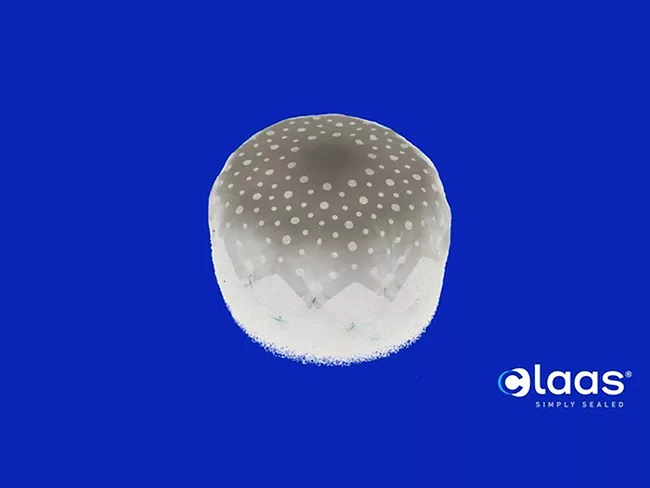
Conformal Medical Inc. plugged the gap in funding needed to complete enrollment in the pivotal CONFORM trial for its left atrial appendage occlusion (LAAO) technology with completion of an oversubscribed $35 million series D fundraising round. The Conformal left atrial appendage seal (CLAAS) system is designed to close off the left atrial appendage in individuals with non-valvular atrial fibrillation to cut the risk of stroke and avoid the use of anticoagulants.
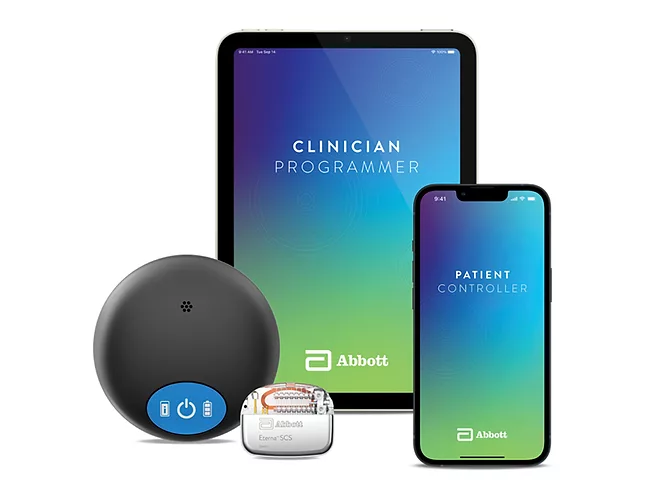
Abbott Laboratories received U.S. FDA approval for an expanded indication for its spinal cord stimulator (SCS) devices to include treatment of chronic back pain for individuals who have not had or are ineligible for back surgery. The FDA based its decision on the positive results from the DISTINCT study which showed that 85.2% of patients implanted with the SCS devices achieved significant reduction in back pain compared to 7.1% of those who received conservative medical management.
A new urine test from Convergent Genomics Inc. correctly predicts bladder cancer as early as 12 years before clinical symptoms occur, new data presented at the 2023 American Urological Association annual meeting shows. The Uroamp test, which can be administered at home and in point-of-care settings, could increase survival rates and help to reduce health care costs.
Dexcom Inc. posted a 19% increase in first quarter revenues compared to 2022 boosted by a stunning 27% organic growth in sales outside the U.S. With clearance of the G7 device in hand, another record set in new patient starts and coverage of continuous glucose monitoring (CGM) systems by CMS effective this month, the year is shaping up to be quite rosy for the diabetes device company.
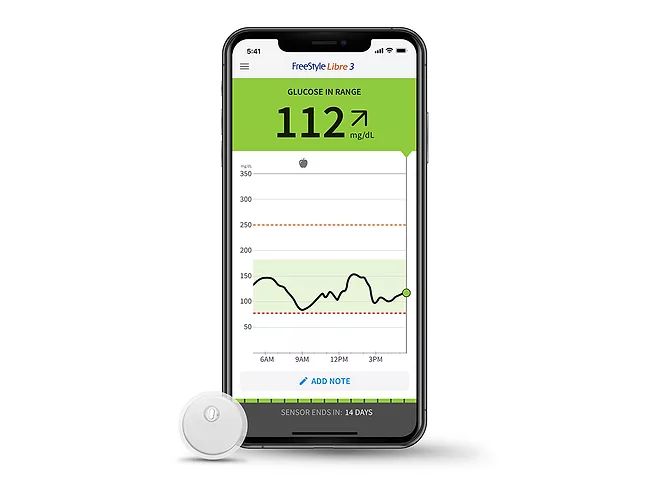
Abbott Laboratories Inc. landed U.S. FDA clearance for its Freestyle Libre 3 integrated continuous glucose monitoring system (CGM)’s reader device a bit earlier than expected. With the regulatory greenlight for the durable medical equipment component received, the company is now pursuing coverage by the CMS for the entire Freestyle Libre 3 system. The system’s sensor received FDA clearance in May 2022.
Batteries used in medical devices don’t always perform as expected, but Abbott Laboratories has issued an advisory to users of its Freestyle glucose monitoring systems in connection with overheating of the batteries used in the device’s readers, a problem the company said is not related to the batteries themselves. Abbott Park, Ill.-based Abbott has received reports of battery swelling and overheating in the reader unit, but advised users that use of non-Abbott charging cables seems to drive the risk of such episodes, urging users to stick with the USB charging cables that came with the readers.