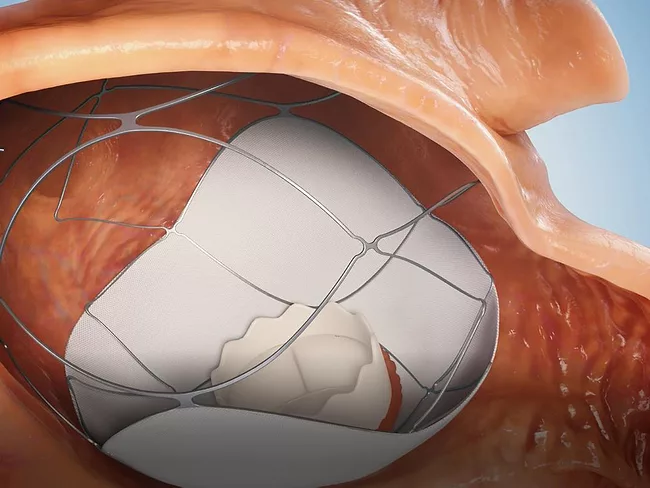
Truleaf Medical Ltd., a subsidiary of Israel-based Allmed Solutions, is ready to begin human trials of its Rosedoc platform to replace the heart’s leaky mitral valve using cardiac catheterization.
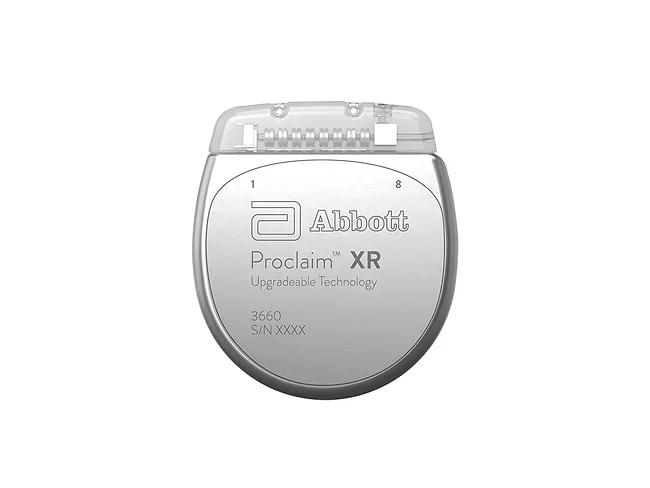
The U.S. FDA approved the Proclaim XR spinal cord stimulation system by Abbott Laboratories for painful diabetic peripheral neuropathy (DPN). The system offers an alternative to patients for whom oral medications do not provide sufficient relief. About half of individuals with diabetes will eventually develop peripheral neuropathy which primarily damages the nerves running down the legs to the feet.
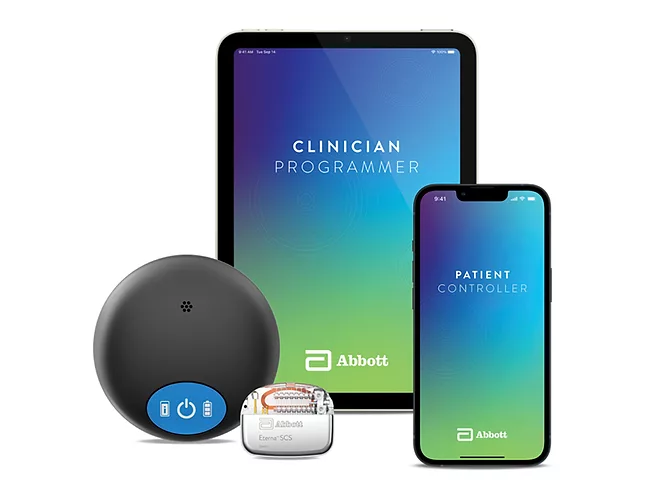
Building on the U.S. FDA approval of its Proclaim Plus spinal cord stimulation (SCS) system in August, Abbott Laboratories notched another approval with the FDA’s greenlight of the Eterna spinal cord stimulation system.
Structural heart startup Nyra Medical Inc. scooped up $20 million in a series A round co-led by Vensana Capital and a large, unnamed global medical device company. The funds will be used to advance Nyra’s transcatheter heart valve repair technology through early feasibility clinical studies.
In an interview with BioWorld, Ceros Financial Services CEO Mark Goldwasser predicted significant changes in the financing market for med-tech companies in the coming year. While special purpose acquisition company (SPAC) deals are not anticipated to return to 2022 levels, Goldwasser expects “we’re going to see a lot of transactions out of big strategics” and a rally in the equity market in the first half of 2023.
The 2022 Transcatheter Cardiovascular Therapeutics annual meeting highlighted mostly positive outcomes from major trials conducted by nearly all the big players in the cardiac device market. Here’s our round-up of the meeting’s high points, with updates from Abbott Laboratories, Abiomed Inc., Boston Scientific Corp., Edwards Lifesciences Corp., Inari Medical Inc., Medtronic plc and Recor Medical Inc.
One of the biggest stories coming out of Transcatheter Cardiovascular Therapeutics’ annual meeting in Boston this weekend focuses on the success of Edwards Lifesciences Corp.’s freshly FDA-approved Pascal Precision transcatheter valve repair system in the CLASP IID trial, which compared it to Abbott Laboratories’ Mitraclip device in patients with degenerative mitral regurgitation (DMR) who were determined to be at prohibitive surgical risk.
The U.S. FDA has advised the public that it is in possession of 10 reports of squamous cell carcinoma and 12 reports of various lymphomas in connection with breast implants, a series of findings that are separate from known incidents of lymphoma.
The use of leads for cardiac electrophysiology devices has proven nothing short of controversial in the past, usually an artifact of efforts to craft ever-skinnier leads that won’t disrupt the blood vessels into which they are placed. Dublin-based Medtronic plc is working to avoid these problems with leads without sacrificing the advantages of leads via its EV ICD system, which soundly passed the test in a study presented at this year’s edition of the European Society of Cardiology (ESC) annual scientific sessions.
Integra Lifesciences Holdings Corp., of Plainsboro, N.J., said in its latest 8K filing that it has decided to voluntarily remove all the company’s Cerelink systems – which are indicated for intracranial pressure monitoring – due to customer reports that these monitors were returning inaccurate pressure readings.