The new technology add-on payment for the TAG thoracic branch endoprosthesis is likely coming to an end, but the device’s manufacturer, Gore Medical Inc., petitioned CMS to reassign the procedure to a new diagnostic-related group that would more accurately reflect the costs of the related procedure.
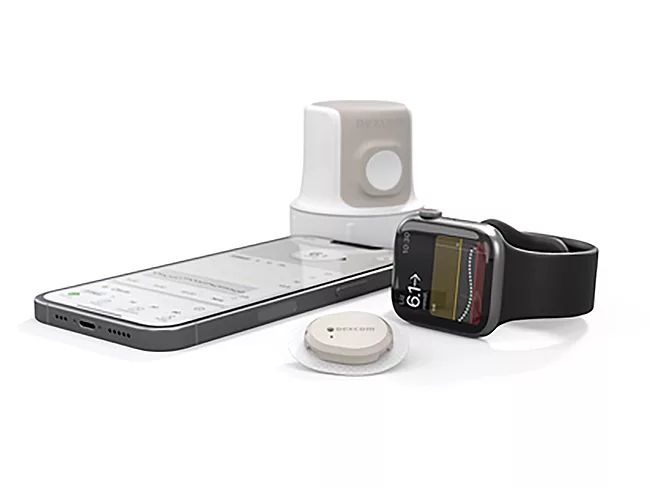
The battle to claim the continuous glucose monitor with the longest wear time continues with Dexcom Inc.’s G7 15 Day continuous glucose monitor gaining U.S. FDA clearance on April 10 for adults with diabetes. The company said it now takes the lead with the 15-day duration, but Abbott Laboratories also offers 15 days of useful life for its Freestyle Libre 3 plus.
Boston Scientific Corp.’s up to $664 million acquisition of Bolt Medical Inc. closed just days after Bolt secured U.S. FDA 520(k) clearance for its intravascular lithotripsy (IVL) system, positioning Boston Sci to challenge Johnson & Johnson’s Shockwave IVL system, which has been the only player in the market.
In the wake of the pandemic, many leading med-tech companies took steps to on-shore and near-shore manufacturing, a move that could protect significant numbers of players from the worst of the effects of the tariffs announced by the Trump administration last week.
The Trump administration’s declaration of a new round of tariffs did not sit well with trade associations, but the impact of those tariffs may vary somewhat by company. Analysts said the lack of clarity regarding the impact of tariffs makes it difficult to predict the impact on the device and diagnostics industries, leaving investors and customers alike with a large overhang of uncertainty.
Abbott Laboratories snagged a CE mark for its Volt pulsed field ablation catheter for atrial fibrillation several months earlier than the mid-year approval expected. The Abbott Park, Ill.-based company has begun Volt’s commercial launch with the physicians who participated in its European clinical trials and plans to expand to other users on the continent in the second half of 2025.
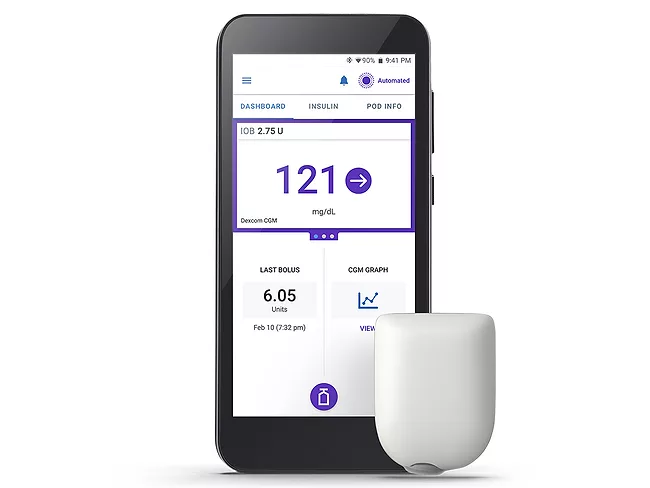
For people with type 1 or type 2 diabetes and the companies developing technologies to help them, the International Conference on Advanced Technologies & Treatments for Diabetes delivered an abundance of good news. On the type 1 diabetes front, Insulet Corp.’s RADIANT study demonstrated massive improvement in time in range as well as lower glycemic levels for patients switching from multiple injections to the Omnipod 5 automated insulin delivery system.
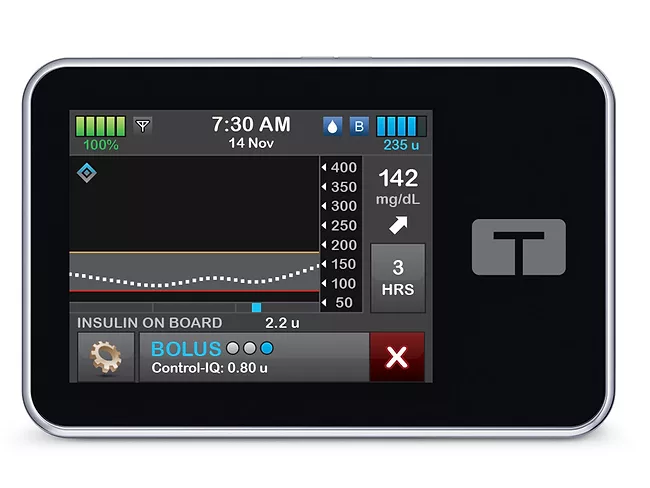
Tandem Diabetes Care Inc. reported that its next-generation automated insulin delivery algorithm, Control-IQ+ technology (Control-IQ+), is cleared by the U.S. FDA for use by people with type 2 diabetes (T2D) ages 18 and older.
As pulsed field ablation transformed the electrophysiology market over the last year, Boston Scientific Corp. emerged as the biggest winner by far. In its fourth quarter earnings call on Wednesday, the company quantified just how successful its Farapulse PFA system has been.
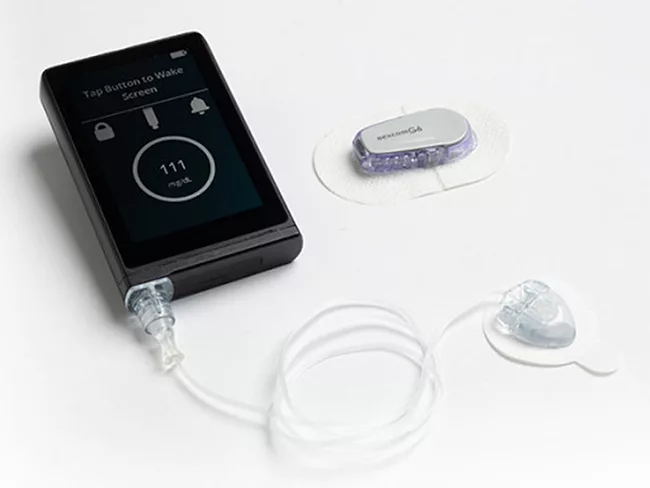
Beta Bionics Inc. kicked off the new year with plans for an initial public offering of 7.5 million shares “as soon as practicable.” Expected to be priced at $14 to $16 per share, the IPO would gross $105 million to $120 million for the insulin delivery device maker.