The final Medicare coverage memo for transcatheter edge-to-edge repair for tricuspid valve regurgitation largely replicates the April 2025 draft, but cardiology centers will not have to bring an electrophysiologist to the patient’s care team to be permitted to practice these devices.
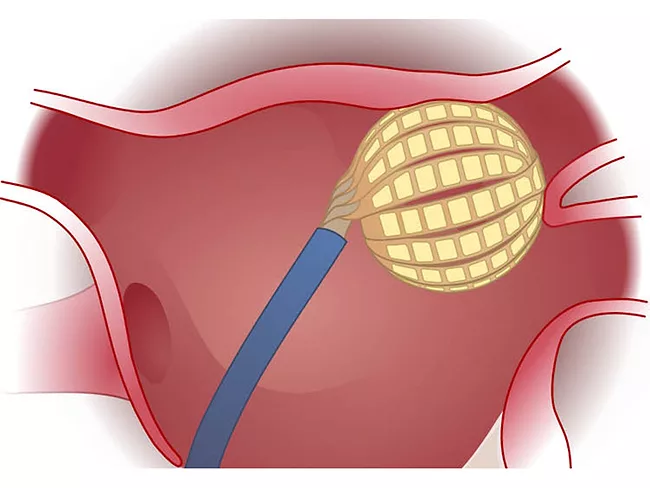
Kardium Inc. raised C$340 million (US$250 million) in an oversubscribed financing round to support commercialization of its Globe pulsed field ablation system for atrial fibrillation. Notably, the financing included an equity investment by an unnamed leading strategic investor. Kardium could receive U.S. FDA approval as early as this quarter and plans to launch Globe in the U.S. this year.
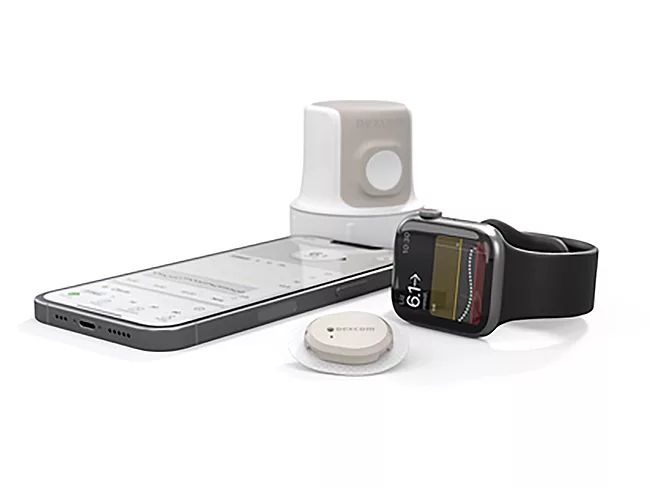
The U.S. Centers for Medicare & Medicaid Services posted the draft home health rule for calendar year 2026, which includes a proposal to subject continuous glucose monitors and insulin pumps to competitive bidding, but the agency is also considering a more rapid pace of replacement of these technologies.
Aortic valve repair and replacement continue to grab attention appropriate for the number of people affected, but the heart’s other three valves are finally gaining some respect as med-tech companies and analysts recognize the size of the potential total addressable market.
The rapid adoption of the Omnipod 5 answered a question automated insulin delivery system manufacturers posed for years: with clear health benefits and payer coverage, why has pump adoption been so slow? Insulet Corp.’s Omnipod 5’s rapid rise to dominance demonstrated unequivocally that people with diabetes want a stick-and-forget device. The American Diabetes Association’s 85th Scientific Sessions in Chicago on June 20-23 made just as clear that pump makers received the message with several companies outlining plans to introduce a patch system in the next two years.
Abbott Laboratories grabbed attention in early June with its announcement of a partnership with Tandem Diabetes Care Inc. to develop a multianalyte sensor for people with diabetes that would measure ketones as well as glucose.
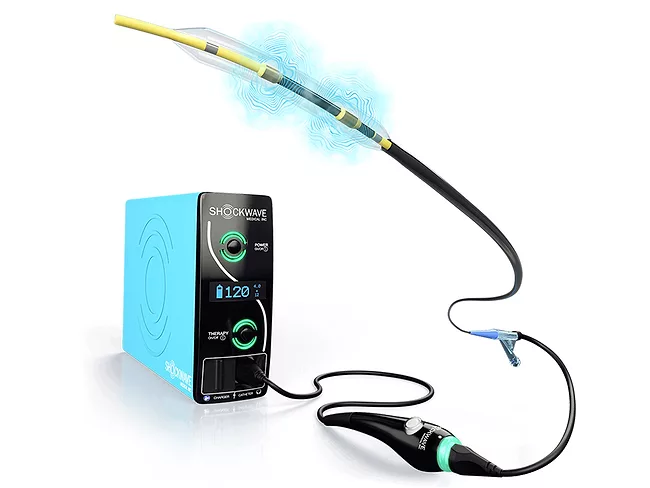
What does it take to create space in a market dominated by a single player? Three challengers to Johnson & Johnson's Shockwave shared their strategies for gaining traction in intravascular lithotripsy (IVL) at the Device Talks meeting June 11 in Minneapolis.
Abbott Laboratories recently received FDA clearance for Tendyne, its transcatheter mitral valve replacement system. The news comes on the heels of Edwards Lifesciences Corp. securing a CE mark for its Sapien M3 system and is a boon for mitral valve therapies amid ongoing frustrations about the slow adoption of TMVR technologies.
Boston Scientific Corp. reported the latest setback in its transcatheter aortic valve replacement (TAVR) aspirations with the news that it is officially discontinuing worldwide sales of its Acurate neo2 and Acurate Prime systems