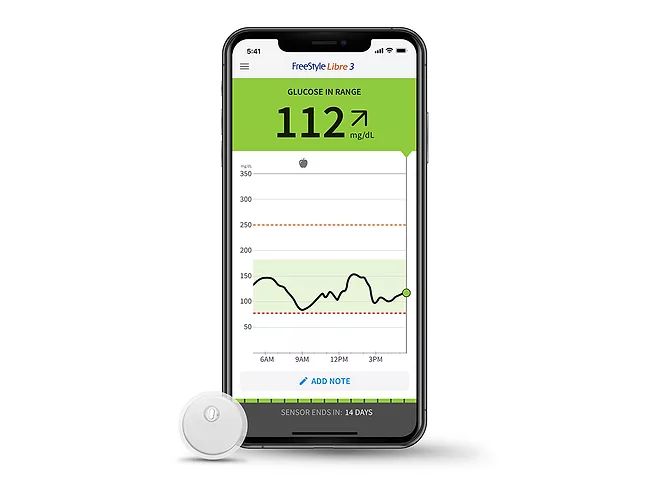
A pair of studies published in Diabetologia demonstrate that use of continuous glucose monitors (CGMs) reduces hospitalizations in people with type 1 diabetes and in those with type 2 diabetes who use insulin compared to use of capillary blood glucose monitoring. Abbott Laboratories’s REFLECT real-world studies showed that use of its Freestyle Libre CGMs reduced the severity of cardiovascular conditions associated with diabetes and, consequently, led to fewer in-patient stays.
Senseonics Holdings Inc. and Sequel Med Tech LLC revealed plans to develop an automated insulin delivery system using the Eversense one-year, implantable continuous glucose monitoring system to increase flexibility for people with type 1 diabetes.
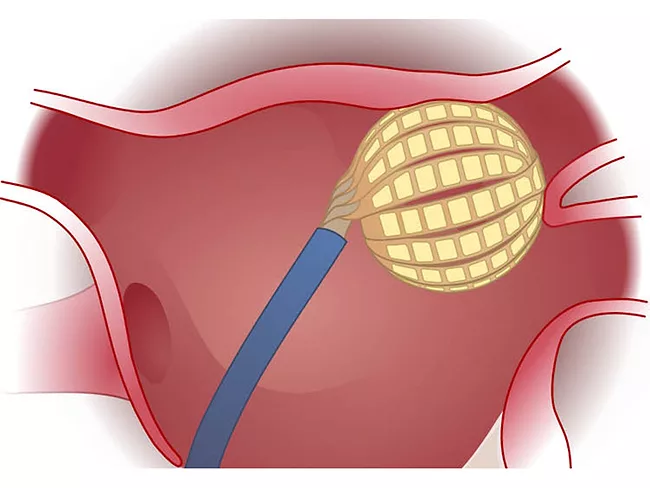
With strong one-year results from the PULSAR trial, Kardium Inc. could soon be jockeying for third place in the race for pulsed field ablation market share. Boston Scientific Corp. clearly won the roses, with Medtronic plc solidly positioned to place, but the show spot – previously called as a battle between Johnson & Johnson and Abbott Laboratories – could go to this Canadian dark horse.
Pulsed field ablation dominated discussions and scientific sessions at Heart Rhythm 2025 in San Diego with researchers and manufacturers touting new applications in persistent atrial fibrillation, atrial flutter and addressing specific challenges for existing systems.
First quarter earnings reports from Johnson & Johnson and Abbott Laboratories provided some surprising insights into the likely hit med-tech companies will sustain with current tariffs. The main takeaway? The impact of the trade war with China is far greater than expected by most analysts.
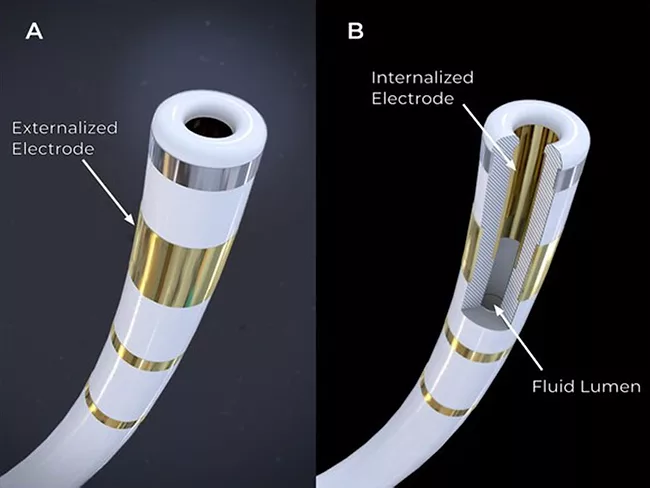
Field Medical Inc. reaped $40 million in its series A fundraising via $20 million in new capital and conversion of $20 million in seed-round debt to support development of its next-generation pulsed field ablation technology. Field Medical’s Fieldforce ablation system targets ventricular tachycardia as its initial use, but also has a study in process for atrial fibrillation.
First quarter earnings reports from Johnson & Johnson and Abbott Laboratories provided some surprising insights into the likely hit med-tech companies will sustain with current tariffs. The main takeaway? The impact of the trade war with China is far greater than expected by most analysts.
Medtronic plc’s diabetes unit posted another win with the U.S. FDA approval of the Simplera continuous glucose monitoring sensor for use with the Minimed 780G pump system, helping the company catch up with competitors Abbott Laboratories and Dexcom Inc. Medtronic plans to begin a limited launch of the Simplera Sync in the U.S. this fall.
First quarter earnings reports from Johnson & Johnson and Abbott Laboratories provided some surprising insights into the likely hit med-tech companies will sustain with current tariffs. The main takeaway? The impact of the trade war with China is far greater than expected by most analysts.
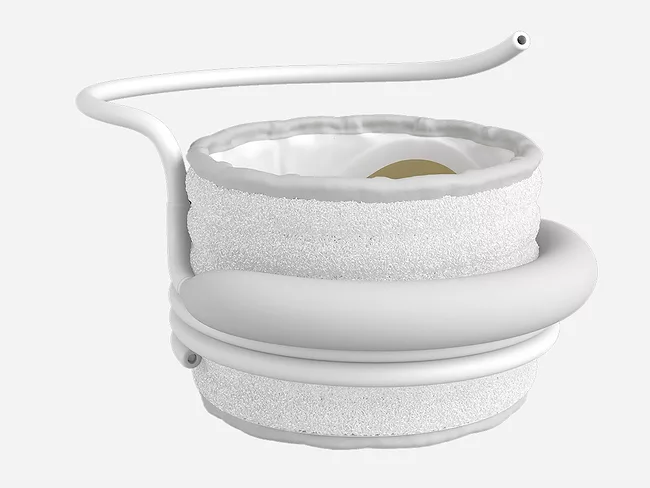
Edwards Lifesciences Corp.’s Sapien M3 secured CE mark for its Sapien M3 mitral valve replacement system for transfemoral treatment of patients with mitral valve disease who are ineligible for surgery or transcatheter edge-to-edge repair. Sapien M3 is indicated for individuals with symptomatic moderate-to-severe or severe mitral valve regurgitation.