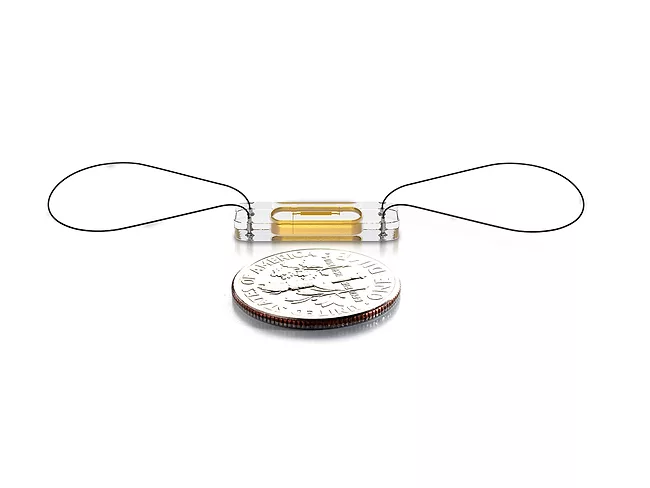
Abbott Laboratories’ Cardiomems heart failure (HF) system is open to a larger patient population following an expanded approval from the FDA. Abbott’s system had previously been approved for class III HF patients that had been hospitalized for HF in the past year. A new expanded indication enables the sensor to be utilized by class II (earlier stage) HF patients and those whose blood test show elevated levels of biomarkers known as natriuretic peptides. The FDA based the approval on findings from the GUIDE-HF trial, which suggested class II HF patients and patients with elevated natriuretic peptides had better outcomes when their therapy was guided by pulmonary pressure monitoring, with a 34% and 25% reduction in heart failure hospitalizations and emergency visits, respectively, based on study data adjusted for the impact of COVID-19.
Abbott Laboratories reported the commencement of a pivotal clinical trial for its Aveir pacemaker in a two-device configuration to provide dual-chamber pacing without the need for leads to deliver the charge. This configuration required the development of i2i technology to ensure that the two Aveirs communicated in a manner that ensures consistent pacing, but the 500-enrollee study has a long road ahead of it before the company can finalize the application with the FDA.
Abbott Laboratories received FDA 510(k) clearance for the Ensite X EP system with Ensite omnipolar technology, the company’s cardiac mapping platform. The system, which is used to identify and treat abnormal heart rhythms such as atrial fibrillation, produces detailed three-dimensional maps of the heart to guide physicians performing ablation procedures.
Digital health innovation was front and center at this year’s Consumer Electronic Show (CES) in Las Vegas. The four-day event included a major product announcement from Abbott Laboratories and a keynote presentation delivered by CEO Robert Ford. This marked the first time a health care company has been invited to take the main stage.
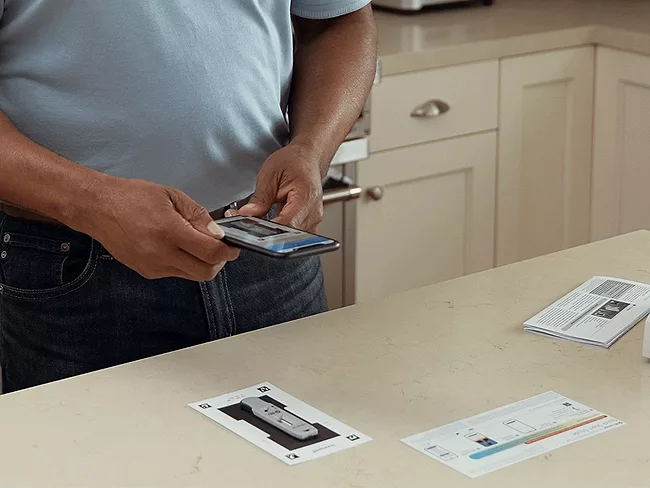
Becton, Dickinson and Co. (BD) completed its acquisition of Scanwell Health Inc., its partner in development of the smartphone-enabled BD Veritor At-Home COVID-19 Test, just in time for increased demand driven by the Omicron surge in the U.S. and plans to make the tests available for free by the federal government as well as several states and large municipalities. Currently, most of the tests distributed by governments are made by Abbott Laboratories, which received emergency use authorization (EUA) for its at-home test in March 2021.
Due to COVID-19, diagnostics are in the limelight, and public and private investors are watching how the pandemic may impact the in vitro diagnostics (IVD) market in the future. As the sector receives an influx of investment, companies will be in strong positions to expand their portfolios. So, with 2022 around the corner – what are the investment trends to watch?
The U.K. National Institute of Health and Care Excellence (NICE) issued two health technology assessments dated Nov. 24, including one that gives a guarded recommendation for devices used to narrow the coronary sinus as a treatment for refractory angina. Neovasc Inc., of Richmond, British Columbia, touted the news as a positive for its Reducer device, given that this is the first instance in which NICE has lent any support for a device to treat the condition.
Two studies presented at the 33rd Transcatheter Cardiovascular Therapeutics (TCT) conference directly compared Boston Scientific Corp.’s Watchman 2.5 and Watchman Flx to Abbott Laboratories’ Amplatzer Amulet device. Both showed Amulet had less than half as many leaks, but the clinical impact of the lower rate remained unclear.
The COVID-19 testing rebound driven by the Delta variant’s extended surge pushed Abbott Laboratories’ earnings per share for the third quarter nearly 50% higher than consensus estimates. Sales climbed to $10.928 billion, up 15% from expected estimates of $9.564 billion. COVID-19 testing accounted for $1.9 billion in sales, but even without that boost, the company posted year-over-year growth of 11.7% compared to the third quarter of 2019. With COVID testing included, Abbott had organic sales growth of 22.4% compared to the same quarter of 2020 and up 35% compared to the third quarter of 2019. With the third-quarter results, the company announced an increase in the full-year guidance to $5 to $5.10, nearly 40% higher than last year.
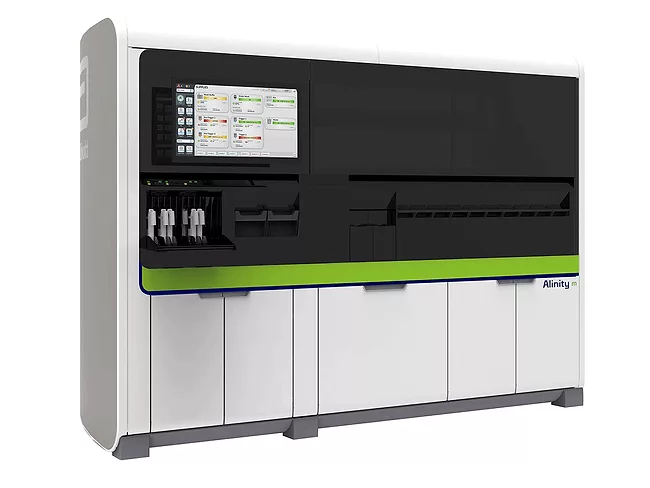
The FDA reported Oct. 14 that software used with the Alinity m test kit by Abbott Laboratories is being recalled for the potential for false positive results, a problem due to software used to automate the processing of the test. This recall was originally issued in mid-September, but the Abbott Park, Ill.-based company is advising labs to treat any test result as presumptive at best.