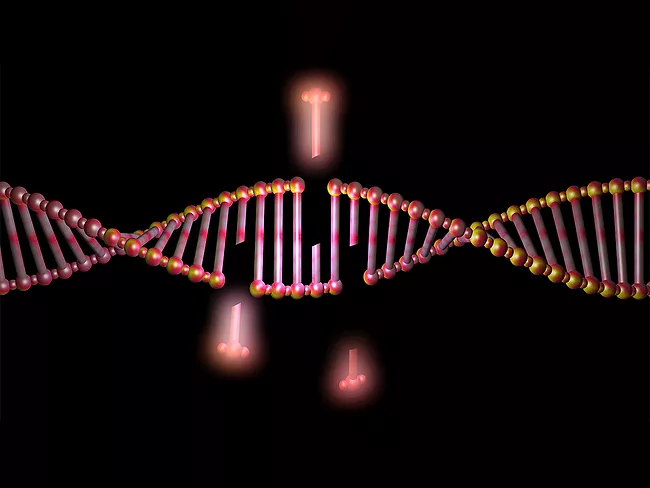
The discovery of DNA was a milestone in the history of science that led to a breakthrough in biomedical research. By associating disease and genetics, genome correction techniques were ultimately developed that are supposed to work in the same way that antibiotics and antivirals block pathogenic microorganisms: by directly attacking the causes of disease.
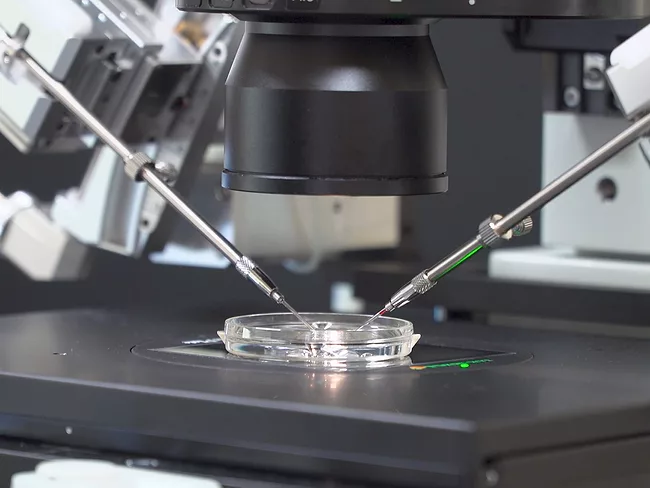
The intended use of gene editing tools on pre-implantation human embryos would be to avoid the development of congenital diseases in the upcoming baby. But it may have its own risks. Those risks were illustrated in a publication in the March 7, 2023, issue of Nature Communications, where researchers from the Center for Embryonic Cell and Gene Therapy, Oregon Health & Science University (OHSU) showed that the method that is most frequently used for evaluating the effects of gene editing zygotes did not always result in an accurate picture of those edits.
Somatic human genome editing has made huge strides in the past five years, but the likely extremely high prices will be unsustainable. A global commitment to affordable, equitable access is urgently needed because the costs and infrastructure needs of this form of treatment are not manageable for either patients or health care systems.
The hexanucleotide repeat expansion (HRE) GGGGCC in the noncoding region of the chromosome 9 open reading frame 72 (C9ORF72) gene is the most common cause of hereditary (40%) and apparently sporadic (5%-6%) amyotrophic lateral sclerosis (ALS).
A lackluster efficacy signal has prompted Editas Medicine Inc. to pause enrollment in a phase I/II trial of its CRISPR/Cas9-based gene editing therapy, EDIT-101, which is in development for patients with a particular form of Leber congenital amaurosis type 10.
Versant Ventures is committing $50 million in series A funding to Cimeio Therapeutics Inc., which aims to bring new possibilities in terms of disease targeting and safety to bear on a wide range of cell therapy applications, including hematopoietic stem cell transplantation (HSCT) and adoptive cell transfer.
Tune Therapeutics Inc. launched with $40 million in initial financing and plans to pursue both rare and complex disease indications with a series of epigenetic editors that employ CRISPR-Cas9 DNA recognition to modulate gene expression in a targeted fashion, without introducing potentially problematic DNA strand breaks or changes to the genetic code.
LONDON – Intellia Therapeutics Inc. is to receive 10% of the equity in Sparingvision SAS as part of a deal giving the French ophthalmology specialist certain exclusive rights to in vivo CRISPR/Cas9 technologies in the treatment of ocular diseases.
CEO John Leonard said Intellia Therapeutics Inc. plans “to share information on a cohort-by-cohort basis, so we get a consistent readout” and, as the year goes on, longer-term follow-up findings will emerge from the phase I trial with the company’s lead in vivo genome editing candidate, NTLA-2001.
In biotech and biopharma’s third-largest ever up-front development and commercialization deal, Crispr Therapeutics AG will receive an initial $900 million in an amended deal with Vertex Pharmaceuticals Inc. to lead the development, manufacturing and commercialization of gene editing therapy CTX-001 for sickle cell disease and transfusion-dependent beta-thalassemia.