Intellia Therapeutics Inc. has received clearance from the U.K. Medicine and Healthcare products Regulatory Agency (MHRA) to initiate a phase I/II study of NTLA-3001 for the treatment of α1-antitrypsin deficiency (AATD)-associated lung disease.
Crispr Therapeutics AG has expanded its in vivo pipeline with two new programs, which utilize lipid nanoparticle (LNP)-based delivery of CRISPR/Cas9 gene-editing cargo to the liver.
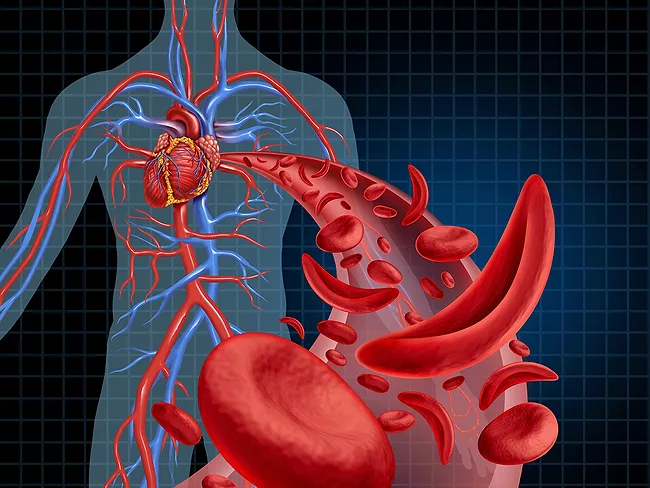
The European Commission approved two therapies for progressive, genetic diseases: Biogen Inc.’s Friedreich’s ataxia drug, Skyclarys (omaveloxolone), and Crispr Therapeutics AG’s CRISPR/Cas9 gene therapy for sickle cell disease and transfusion-dependent beta-thalassemia, Casgevy (exagamglogene autotemcel, exa-cel).
Though the PDUFA date for its BLA wasn’t until March 30, 2024, Vertex Pharmaceuticals Inc. celebrated the U.S. FDA approval Jan. 16 for Casgevy (exagamglogene autotemcel), expanding use the CRISPR/Cas9 gene-edited cell therapy in patients, 12 and older, with transfusion-dependent beta-thalassemia.
The EMA has once again come in behind the U.S. FDA, granting market access to 77 new products in 2023, fewer than half the 157 approvals the FDA processed in the 11 months from January through December 2023.
Genome editing specialist Tome Biosciences Inc. now has all the bases covered, after arriving on the scene in December with $213 million funding and three weeks later announcing the acquisition of fellow precision editing company, Replace Therapeutics Inc. for up to $185 million.
Following a strategic transaction with Graphite Bio Inc., Kamau Therapeutics is emerging from stealth with sickle cell treatment nulabeglogene autogedtemcel (nula-cel). Kamau received an option to acquire all of Graphite’s genome editing assets, including a platform technology that integrates precision DNA repair using homology directed repair and CRISPR/Cas9, as well as the autologous CRISPR/Cas9 gene corrected CD34+ cell product nula-cel, which offers a potential cure for sickle cell disease derived from the patient's cells.
Had it been asked to, the FDA’s Cellular, Tissue and Gene Therapies Advisory Committee would have voted Oct. 31 to recommend approval of Vertex Pharmaceutical Inc. and Crispr Therapeutics AG’s exagamglogene autotemcel, or exa-cel, as a one-time transformative treatment for severe sickle cell disease in individuals 12 and older.
The rapid migration of gene editing technologies from the bench to the clinic has opened up new therapeutic possibilities for patients with previously intractable genetic diseases and difficult-to-treat cancers. But mobilizing gene editing components into a target cell or organ remains a critical step for the field. Integra Therapeutics SL, an early stage Spanish firm, is now engaged in that process with a novel gene writing platform.
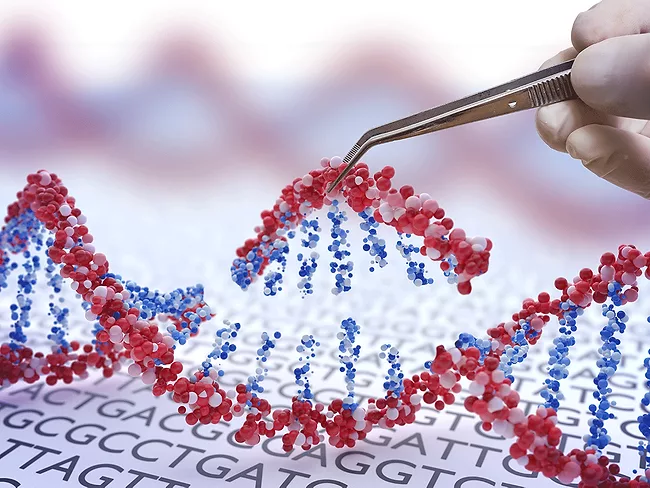
The discovery of DNA was a milestone in the history of science that led to a breakthrough in biomedical research. By associating disease and genetics, genome correction techniques were ultimately developed that are supposed to work in the same way that antibiotics and antivirals block pathogenic microorganisms: by directly attacking the causes of disease.