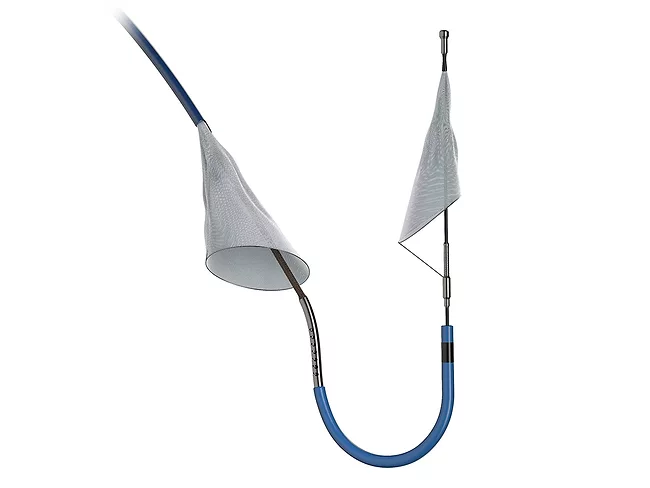
Guangdong Pulse Medical Technology Co. Ltd. received marketing approval from China’s NMPA for its left atrial appendage (LAA) closure product called the Leftear occluder system.
Zhejiang University has disclosed transient receptor potential cation channel subfamily M member 2 (TRPM2) antagonists reported to be useful for the treatment of stroke and ischemia-reperfusion injury, among others.
Cionic Inc. doubled its funding to date with a $12.5 million series A round led by Bluerun Ventures. The cash infusion will support the manufacturing and delivery of the company’s Neural Sleeve, development of additional products on its human augmentation platform and expansion of the team. The Neural Sleeve received FDA clearance in February and is designed to help individuals with impairments caused by multiple sclerosis, stroke, cerebral palsy and other diseases retain or regain mobility.
Boston Scientific Corp.’s Sentinel cerebral protection system missed its primary endpoint of reduced stroke in the PROTECTED TAVR clinical trial. The data did, however, show a significant reduction in risk of disabling stroke in the immediate days after a transcatheter aortic valve replacement (TAVR) procedure.
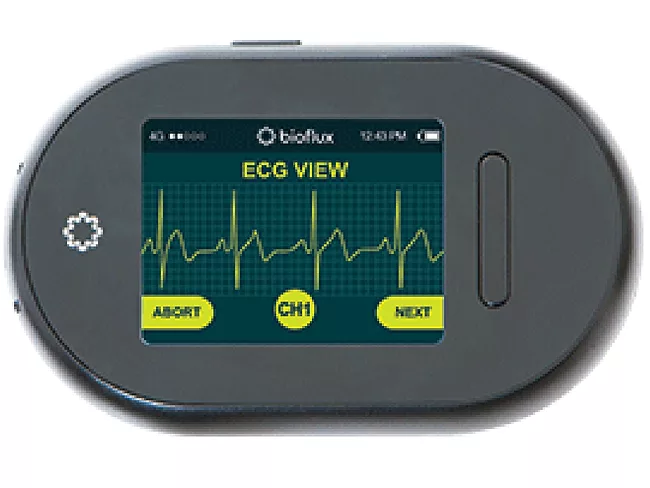
Biotricity Inc. received more than $240,000 in a grant from the U.S. National Heart, Blood and Lung Institute of the National Institutes of Health to launch a study of a new algorithm to be used with its Bioflux device to assess the risk of stroke in patients with chronic kidney disease (CKD).
Medical science has been experimenting with smart devices for several years to determine whether these products can detect circulatory system diseases, and a study presented at the 2022 meeting of the European Society of Cardiology (ESC 2022) seems to strongly suggest that the answer is a resounding yes. The eBRAVE-AF study of more than 5,500 enrollees of middle age or older demonstrated the ability of a smartphone camera and a downloadable app to at beat conventional screening for atrial fibrillation (AF), a finding that could save lives and boost the prospects of device makers in the digital health space.
Microport Neurotech Ltd.’s shares started at HK$24.7 (US$3.15) per share, fell 0.162% and closed at HK$24.60 apiece on its first day of trading of July 15, 2022.
Infervision Medical Technology Co. Ltd. received approval from China’s NMPA for its radiological computer-assisted triage and notification software device Inferread CT Stroke. This is the first class III approval that the firm obtained in the cerebro-cardiovascular field. Class III approvals are for high-risk medical devices.
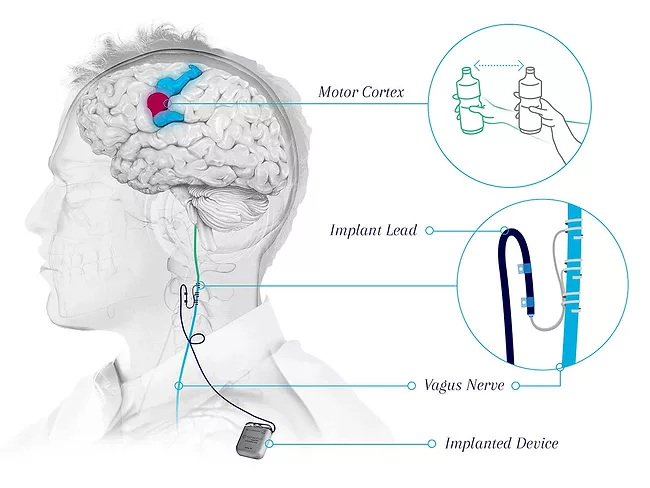
Microtransponder Inc. raked in $53 million in an oversubscribed series E round that exceeded its best previous fundraising by nearly 500% and brought the company’s total funds raised to date to $93 million. The new money will be used to commercialize the Vivistim paired VNS system, which received premarket approval in 2021 as what the FDA called the “first stroke rehabilitation option using vagus nerve stimulation.”