Shengke Pharmaceuticals (Jiangsu) Ltd. has described proprotein convertase subtilisin/kexin-type 9 (PCSK9) inhibitors reported to be useful for the treatment of atherosclerosis, myocardial infarction, nonalcoholic steatohepatitis, stroke, type 2 diabetes, dyslipidemia, hyperphosphatemia and diabetic nephropathy.
French consortium Booster is developing a personalized emergency treatment of ischemic stroke in its work on brain clot personalized therapeutic strategies for stroke emergent reperfusion. The aim is to refine the patient prognosis based on blood clot clinical and radiological characteristics and propose more effective drug treatments with a new generation of intracranial stents.
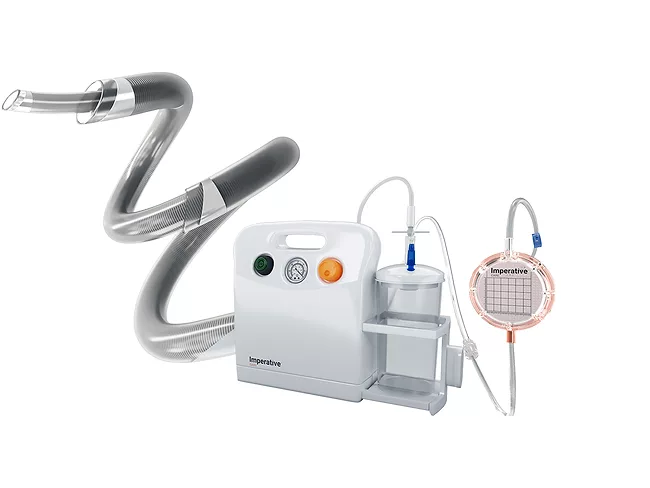
Imperative Care Inc. received U.S. FDA 510(k) clearance for its Zoom Rdl radial access system for treatment of ischemic strokes. The device is designed to enhance radial access for removal of clots in patients with tortuous anatomy and other challenges to the femoral access typically used, providing more options for both patients and physicians.
Genfleet Therapeutics (Shanghai) Inc. has patented receptor-interacting serine/threonine-protein kinase 1 (RIPK1) inhibitors reported to be useful for the treatment of stroke, rheumatoid arthritis, psoriasis, heart failure, nonalcoholic steatohepatitis and inflammatory bowel disease.
In a move that put Ekso Bionics Holdings Inc. on a path to walk over other firms developing exoskeletons, the company acquired the Human Motion and Control (HMC) business unit from Parker Hannifin Corp. The deal expands Ekso’s lower-limb exoskeleton line to include the Indego Personal and Indego Therapy devices, which like its own exoskeleton platform, help patients recovering from stroke or spinal cord injuries walk again. The transaction also includes the development of related robotic-assisted orthotic and prosthetic devices.
Rapidai Inc. received U.S. FDA 510(k) clearance for release of intracranial hemorrhage (ICH) triage technology that reduces notification fatigue in doctors swamped by calls to treat hemorrhages that turn out to be false positives. In a test sample sent to the regulatory agency, the artificial intelligence (AI)-powered system demonstrated a sensitivity rating of 97% detecting genuine hemorrhages and 100% specificity for a false positive rate of zero.
Cerenovus Inc. reported primary results from the real-world EXCELLENT Registry showing positive outcomes with its Embotrap revascularization devices in the removal of stroke-inducing blood clots. Patients enrolled in the registry were treated with either the Embotrap II or Embotrap III devices as a first line therapy to treat ischemic stroke.
Six minutes of walking data collected by a smartphone sensor could provide population level health screening, researchers reported in PLOS Digital Health. The study tracked more than 100,000 people as they went about their day wearing activity monitors similar to motion sensors used in smartphones. The sensors captured information on intensity from short burst of walking to predict five-year mortality risk, independent of age and sex.
Medtronic plc has launched Medtronic Neurovascular Co-Lab platform, a major initiative to speed the pace of innovations in stroke treatment and access for patients around the world. The neurovascular innovation incubator will bring together innovators, entrepreneurs and physicians to collaborate and share their ideas about promising products and solutions.