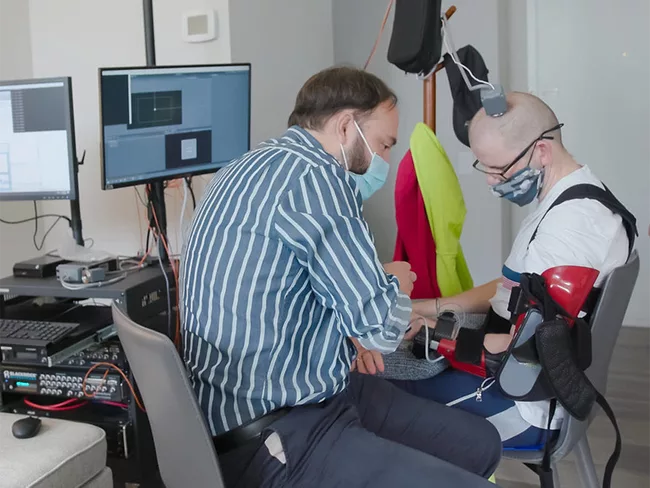
Researchers at Thomas Jefferson University have implanted brain electrodes in a patient who suffered a subcortical ischemic stroke more than a year ago to help them overcome abnormal muscle tone and control a robotic arm brace. Artificial intelligence (AI) algorithms interpret neuronal signals recorded by the electrodes into movement of the brace.
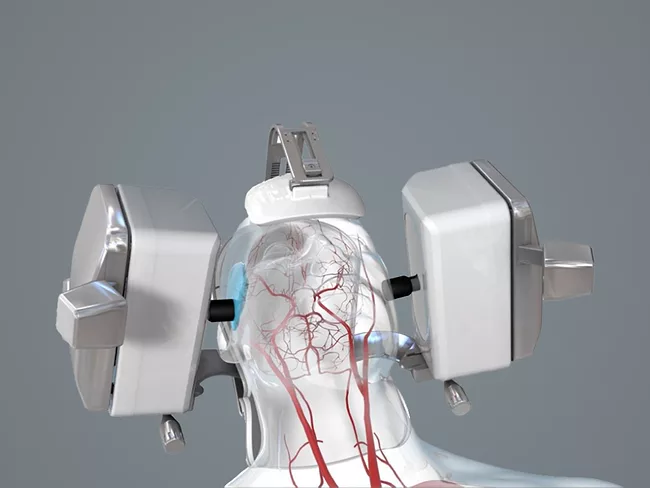
Novasignal Corp. has a launched a cloud-based app to provide alerts to clinicians directly from its cerebral ultrasound device. The new app allows physicians to get instant notifications from the company’s Novaguide device, a transcranial doppler ultrasound technology that allows for real-time assessment of blood flow in the brain by combining robotics and artificial intelligence (AI).
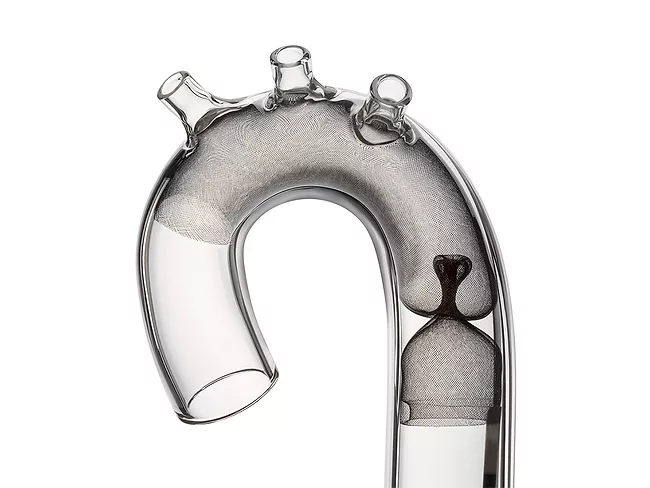
Emboline Inc., which is developing technology to reduce the chance of stroke during transcatheter heart procedures, completed a $10 million series C financing. The funds are earmarked to gain initial commercial approval of the company’s Emboliner device and to launch a U.S. pivotal study. The round, which included new and existing investors, follows a $5 million bridge round of financing that closed last January.
For the 795,000 Americans who suffer a stroke each year, time is brain. The U.S. FDA granted 510(k) clearance to a solution the developer says could cut time-to-treatment in stroke by an hour, preserving 3.6 years of healthy life. Nico.lab’s artificial intelligence-based CT scan analyzer, Strokeviewer LVO, uses an algorithm that enables faster triaging of stroke patients and enables physicians to see the location of occlusions in minutes.
The latest global regulatory news, changes and updates affecting medical devices and technologies, including: Medtronic advises of problems with Interstim leads; Palmetto eyes coverage of CT for cerebral perfusion.
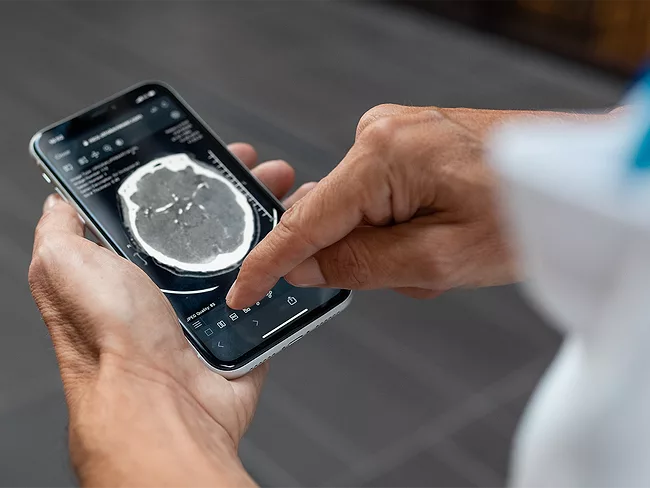
A new tool for mobile devices can diagnose stroke as accurately as an emergency medicine specialist in just minutes, enabling patients to get brain-saving therapies in time for maximum benefit. According to researchers from Pennsylvania State University and Houston Methodist Hospital, the artificial intelligence (AI)-based tool could counterbalance physician biases, reducing both overuse of CT scans and underdiagnosis of mild and moderate stroke.
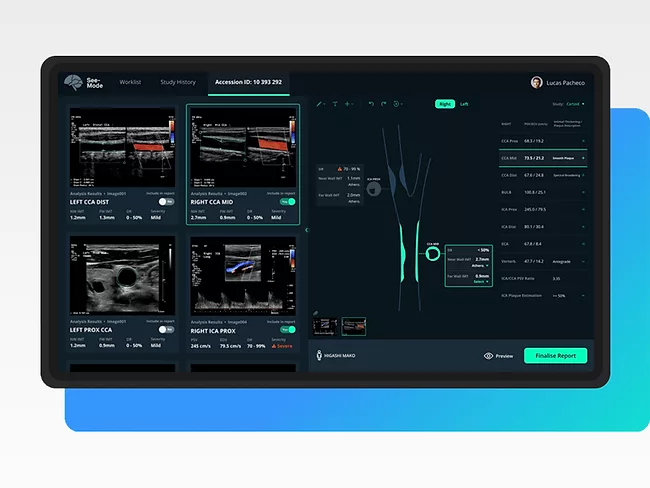
PERTH, Australia – See-Mode Technologies has received 510(k) clearance from the U.S. FDA to market its Augmented Vascular Analysis (AVA) program that uses artificial intelligence (AI) to analyze vascular ultrasound scans to better predict stroke. Caused by plaque that ruptures in blood vessels and blocks blood flow to the brain, stroke affects roughly 15 million people per year and is the second-leading cause of death globally.
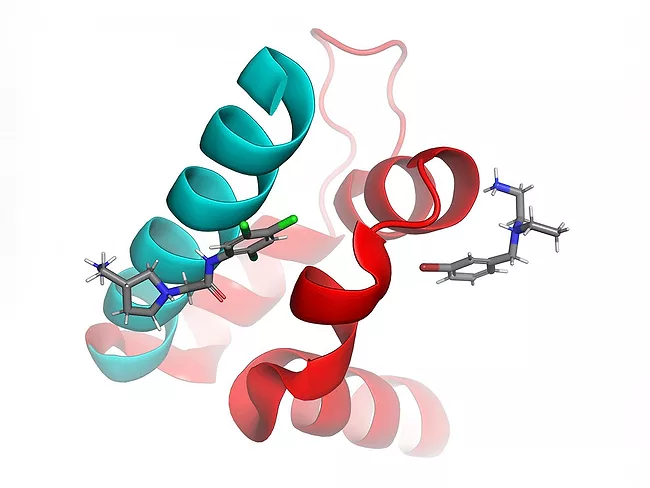
Investigators at the University of Heidelberg have identified a previously unknown mechanism for excitotoxicity and used their insight to identify “unconventional neuroprotectant” compounds that could prevent cell death and reduce brain damage in a mouse model of stroke.
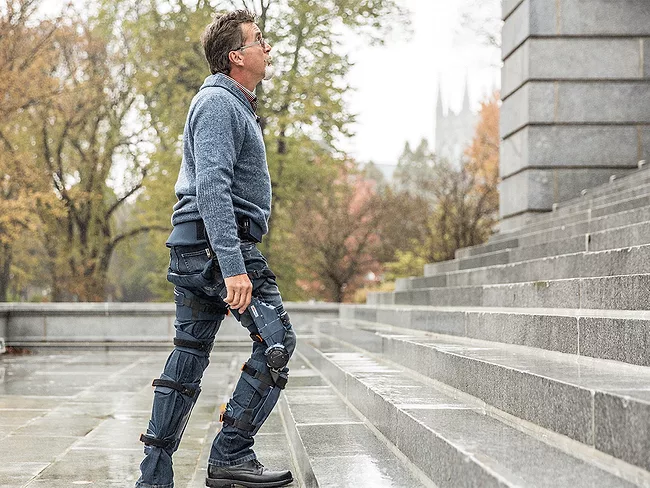
B-Temia Inc.’s Keeogo mobility device is on the move in the U.S. now that it has received 510(k) clearance from the U.S. FDA. Unlike currently available exoskeletons that move for patients, the Keeogo (keep on going) Dermoskeleton system amplifies signals from patients who can initiate movement but need additional assistance.
RapidAI, which focuses on imaging for stroke, has launched the Rapid Web App to help stroke teams stay updated on imaging results and communicate securely. Using the app, team members can receive real-time browser notifications of new cases, preview Rapid results and source files and engage in workflow communications via a desktop or laptop computer.