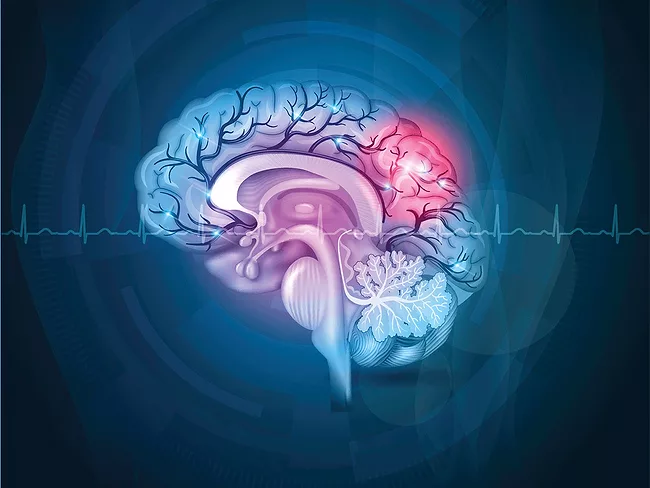
Researchers from Shanxi Medical University presented data from a study that aimed to assess the effects of delayed treatment with G protein-coupled receptor 65 (GPR65) agonist BTB-09089 on neurorestoration following ischemic stroke in mice.
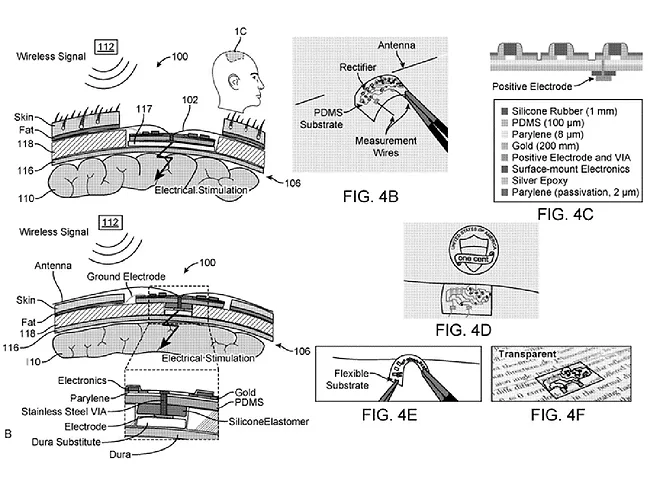
Researchers from Arizona State University and Mayo Clinic have filed for protection of wireless, battery-free brain implants which may be used in the monitoring, stimulation, and treatment of epilepsy, tumors, neurodegenerative disorders, neuroinflammatory conditions and trauma.
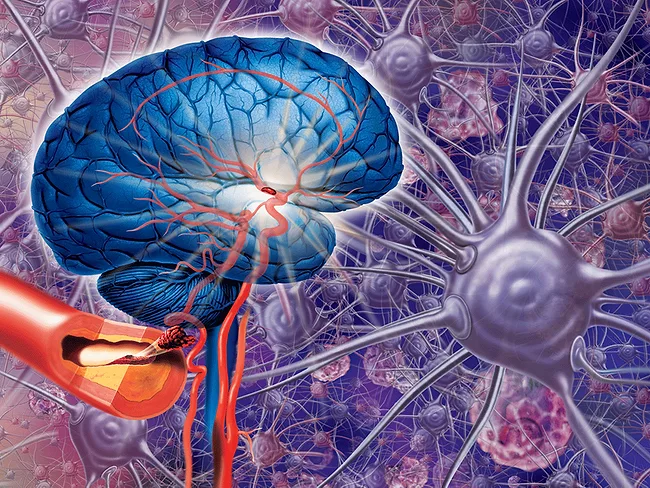
Glycoprotein VI (GPVI) is a platelet collagen receptor involved in platelet activation and an emerging target for treating thrombotic disorders such as ischemic stroke. Data have been presented by University of Würzburg scientists regarding a humanized anti-GPVI Fab antibody, EMA-601, with unprecedented potency in vitro and in vivo.
Boston Scientific Corp. continued its journey down the acquisition highway with its announced plan to acquire stroke products maker Silk Road Medical Inc. for $27.50 a share, or approximately $1.16 billion.
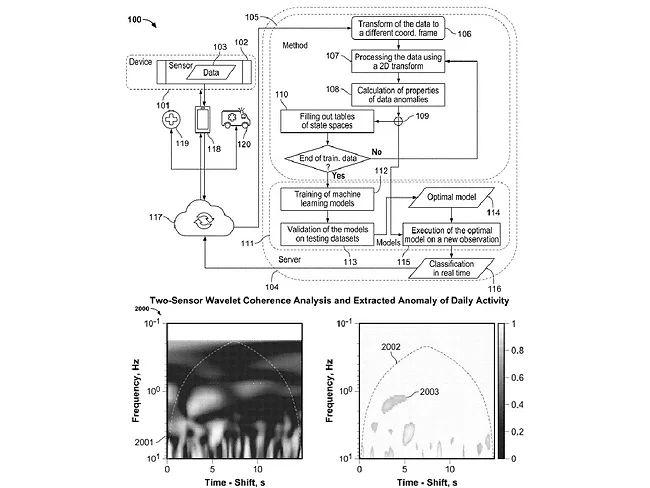
In what represents its first patenting, Alva Health Inc. has been granted protection for a method for detecting stroke from falls using a combination of wearable motion sensors and artificial intelligence.
Laboratory Corp. of America Holdings introduced a glial fibrillary acidic protein blood-based test available commercially in the U.S. for the early detection of neurodegenerative diseases and brain injuries. The test, which the company said was the first of its kind, is designed to assess the presence and progression of Alzheimer’s disease, multiple sclerosis, glioblastoma and traumatic brain injury.
Avicenna.AI SAS received clearance from the U.S. FDA for two of its artificial intelligence (AI)-based solutions, Cina-Ipe and Cina-Aspects, which provide for the detection of pulmonary embolism (PE) and the assessment of stroke severity in CT scans, respectively.
In what represents its first patenting, Pittsburgh-based Reach Neuro Inc. is seeking protection for methods, sensors, and systems for detecting movement of a spine and stimulating specific regions of the spinal cord in response to the movement.
In what represents their first patenting, a researcher from the University of California is seeking protection for non-invasive methods of brain monitoring that use electroencephalography (EEG) to detect new or worsening brain injury in pediatric patients.
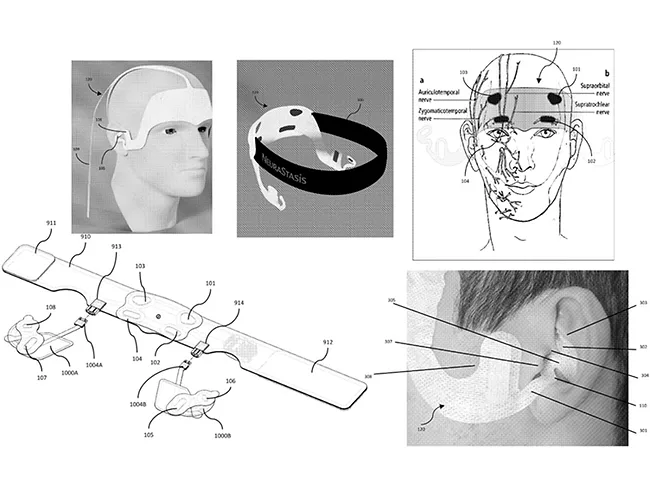
In what represents the first patenting in the name of Houston-based Neurastasis Inc., company co-founders Kirt Gill and Joe Upchurch describe a head-worn apparatus for neural stimulation that can be used to treat or augment recovery from medical conditions, particularly ischemic stroke.