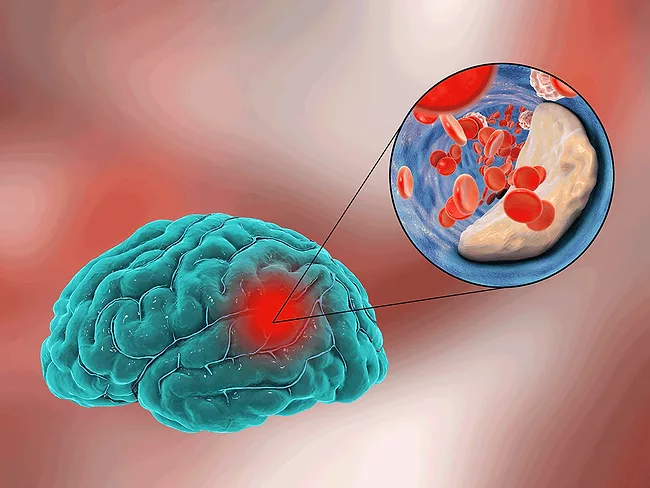
Stroke accounts for nearly 12% of all deaths worldwide, making it the second leading cause of death. In acute ischemic stroke, the ischemia and subsequent return of blood flow create oxidative and nitrosative stress that can overwhelm neurons and disable important circuitry.
Following a stroke, multiple immune cell types contribute to the neuroinflammatory response, with T cells being among the most consistently associated with both the initial and secondary phases of brain injury.
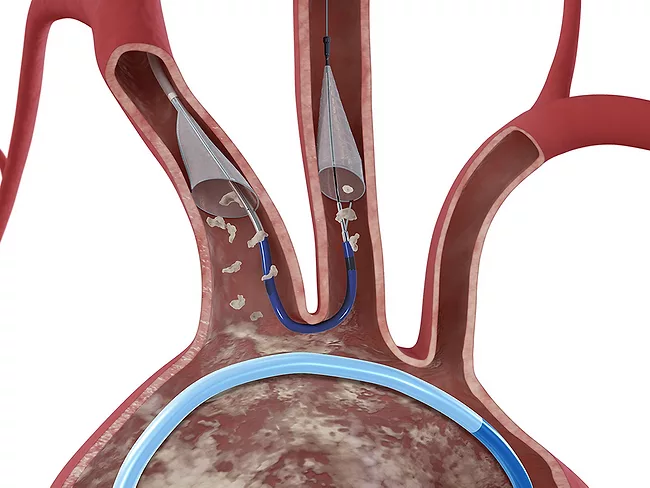
Counterintuitively, use of cerebral embolic protection failed to reduce the incidence of stroke in the 72 hours following a transcatheter aortic valve replacement or implantation found a late-breaking clinical trial presented at ACC.25, the American College of Cardiology’s annual scientific session held March 29-31 in Chicago and simultaneously published in the New England Journal of Medicine.
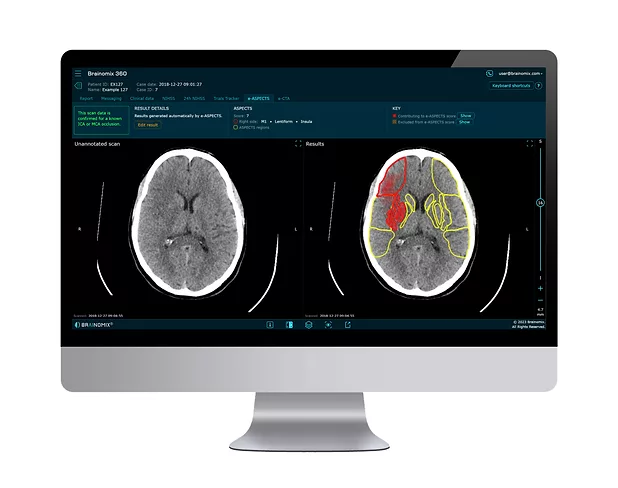
Brainomix Ltd. raised £14 million ($18 million) in a series C financing round to expand its AI-powered imaging solution, Brainomix 360 Stroke, into the U.S. market. Funds will also go towards advancing the Brainomix 360 E-Lung, which can accurately predict the progression of lung fibrosis. “This series C round is a vital fundraise for us,” Michalis Papadakis, CEO and co-founder of Brainomix, told BioWorld. “We are in a growth stage where we want to bring this next generation of stroke AI into the U.S. market.”
With rates of preeclampsia skyrocketing, the U.S. FDA’s510(k) clearance of Roche Holding AG’s Elecsys test for preeclampsia offers some hope of reducing the number of women and infants who die or experience life-long consequences from the development of dangerously high blood pressure during late pregnancy and in the days immediately following delivery.
Researchers in from Nanjing Drum Tower Hospital have presented data from a study that investigated the role of immunoglobulin superfamily member 6 (IGSF6) microglia during ischemic stroke.
Researchers from Nanjing Drum Tower Hospital reported findings from their evaluation of the role of NLR family CARD domain containing 5 (NLRC5) in post-stroke neuroinflammation. Immunofluorescence staining of mouse brains revealed that NLRC5 was mainly expressed in microglia.
A recent study by researchers at the University of Florence and collaborators has demonstrated the efficacy of MRS-3997, a dual adenosine A2A/A2B receptor agonist, in reducing brain damage and inflammation in a rat model of ischemic stroke.
Balt Group SAS recently secured €355 million (US$365 million) in funding to refinance its debt, invest in research and accelerate its growth. The French-based provider of interventional neuroradiology devices is looking to speed up the expansion of its global footprint, especially in the U.S.
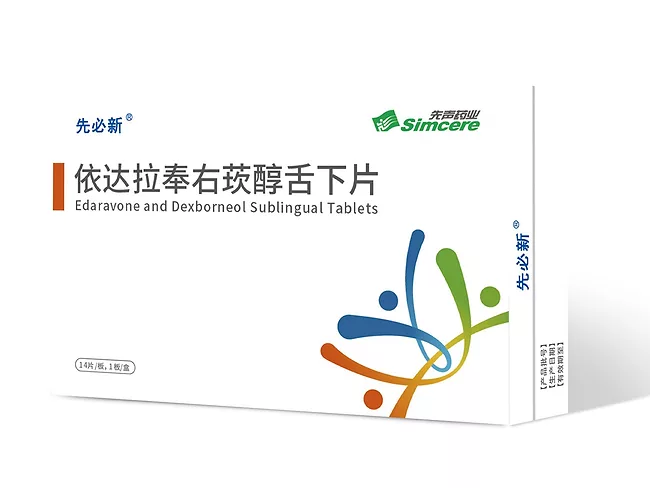
China’s National Medical Products Administration (NMPA) granted new approvals to several Chinese biopharmaceuticals this week, including expanding indications of four different cancer drugs and clearing one sublingual tablet for stroke.