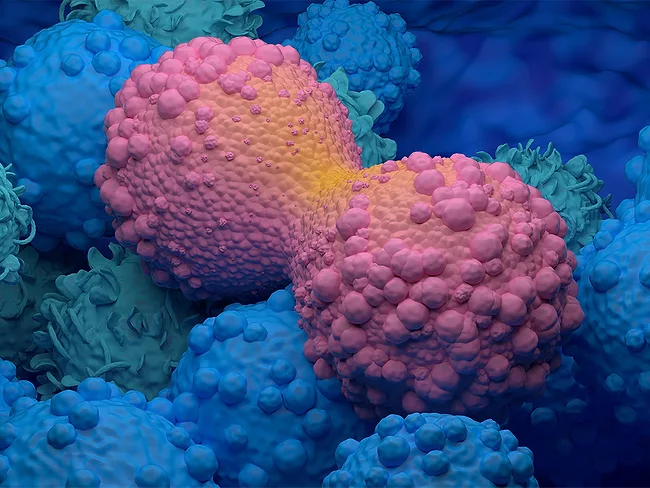
Endocrine therapy against the estrogen receptor (ER) is widely used for the treatment of ER+ breast cancer. Selective estrogen receptor degraders (SERDs) compete directly with estrogen for ER binding and create an unstable protein complex that leads to proteasome-mediated ER protein degradation.
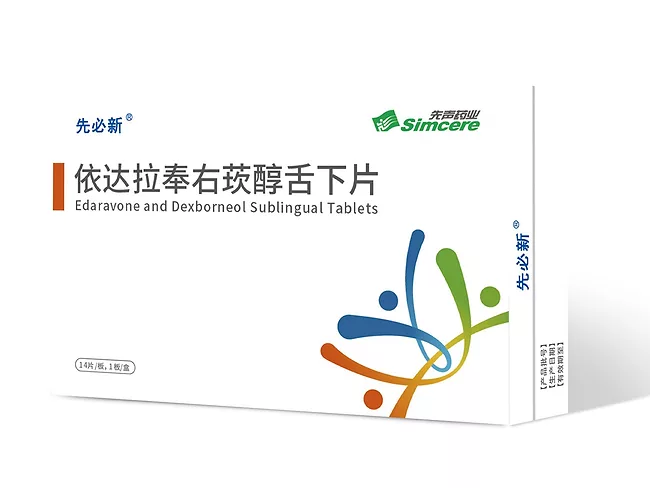
China’s National Medical Products Administration (NMPA) granted new approvals to several Chinese biopharmaceuticals this week, including expanding indications of four different cancer drugs and clearing one sublingual tablet for stroke.
Scientists at Beigene Ltd. and Beigene Switzerland GmbH have identified phosphatidylinositol 3-kinase α (PI3Kα) (H1047R mutant) inhibitors reported to be useful for the treatment of cancer, congenital lipomatous overgrowth, vascular malformations, epidermal naevi and skeletal abnormalities and PIK3CA related overgrowth spectrum (PROS).
In breast cancer, neoadjuvant chemotherapy reduces the tumor before surgery. However, the response to this treatment does not depend solely on the subtype of malignancies. Other factors could play a key role in its effectiveness, as shown in a study that described how the estrous cycle phases contribute to this variation.
In breast cancer, neoadjuvant chemotherapy reduces the tumor before surgery. However, the response to this treatment does not depend solely on the subtype of malignancies. Other factors could play a key role in its effectiveness, as shown in a study that described how the estrous cycle phases contribute to this variation. The researchers propose adjusting the approach to the most suitable moment for patients.