The individual and population-level health impact of type 2 diabetes is well documented, a fact which recently drove the U.S. Preventive Services Task Force (USPSTF) to ask whether screening among asymptomatic individuals aged younger than 18 years would be worth the effort. The answer is that the task force simply does not know, simply because the agency’s literature search turned up no studies that prospectively evaluated the benefits of screening in this population, signaling a missed opportunity for drug and device makers to intervene in this massively costly disease.
Impairment in the functionality of the adipose tissue is crucial for obesity-related metabolic comorbidities and may trigger the onset of type 2 diabetes. The adipose tissue has been proposed as a main contributor of circulating miRNAs (miRNAs), but has not yet been characterized for these markers.
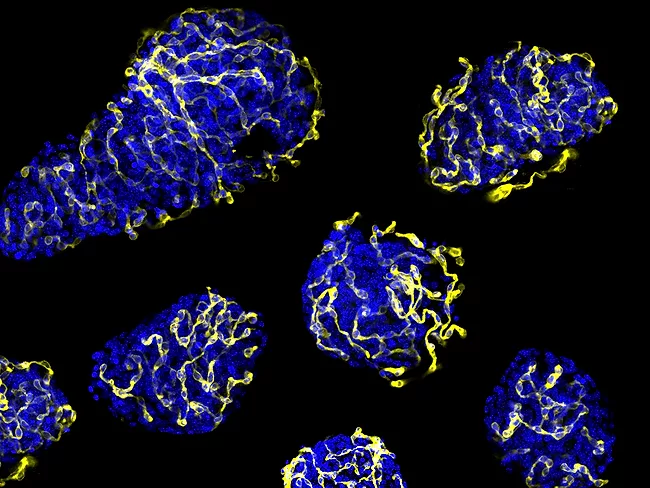
The University of Bari Aldo Moro presented data from an in vivo study assessing the effects of irisin on pancreatic islets of diabetic mice (type 2 diabetes).
A simple injection of muscle tissue could control glucose in patients with type 2 diabetes (T2D). Genetic modification of skeletal muscle and subsequent intramuscular implantation could increase blood sugar absorption and become an effective and long-lasting treatment for this pathology. “We took mice satellite cells and we genetically altered to overexpress GLUT4,” Hagit Shoyhet, researcher at the Levenberg lab of stem-cell and tissue engineering, Technion (Israel), said at the European Association for the study of Diabetes (EASD) 58th Annual Meeting.
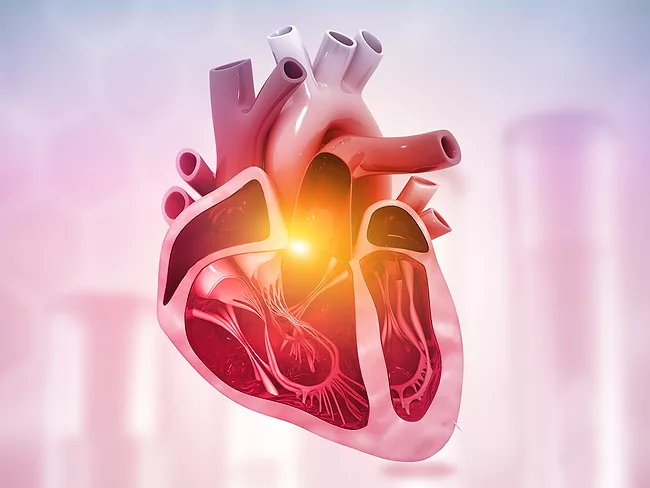
More than 70% of individuals with diabetes develop some form of heart disease. Nonischemic diabetic heart disease (NiDHD) is a chronic complication characterized by ventricular dilation and hypertrophy, diastolic dysfunction, and decreased or preserved systolic function, and eventually may result in heart failure.
Communication between adipose tissue and the brain increases the risk of cognitive impairment in patients with insulin resistance through extracellular vesicles (EVs) containing microRNAs (miRNAs). Neurons could be damaged when these nucleotides reach the hippocampus guided by membrane proteins in prediabetic overweight people.
Med-tech manufacturers can expect the market for diabetes care-related products, ranging from insulin pens to smart devices, to rise in India. India already has the second-largest number of adults with diabetes globally, after China.
Better Therapeutics Inc. reported that the pivotal trial for its BT-001 prescription digital therapy (PDT) demonstrated significant decreases in hemoglobin A1c at 90 days that improved further at 180 days in participants with type 2 diabetes. The study showed a clear dose-response between greater use of the PDT and improvements in blood glucose levels.
Carmot Therapeutics Inc. has raised $160 million in series D financing to support a trio of early to midstage clinical programs focused on treating diabetes and obesity with peptide-based small-molecule incretin receptor modulators.