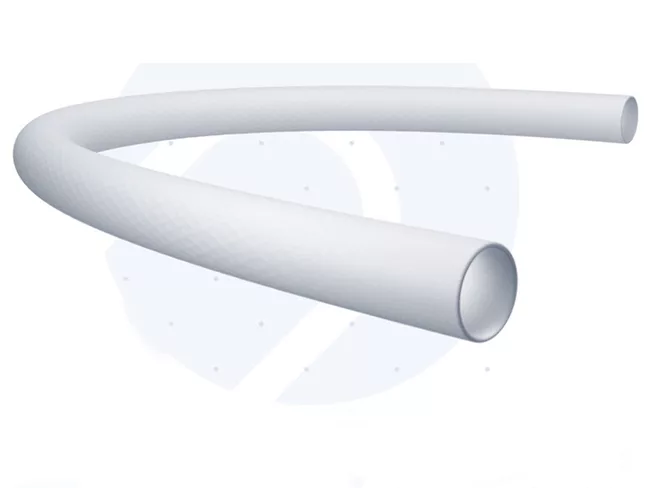
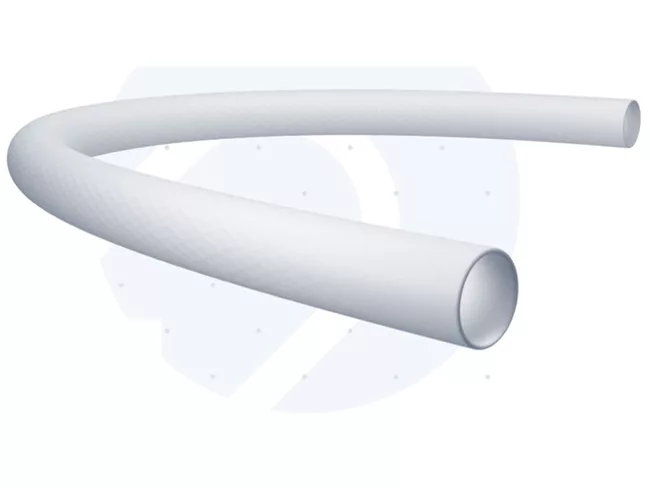
Xeltis BV reported successful clinical data from the Axess EU pivotal trial which demonstrated the transformative potential of its restorative vascular access conduit, Axess, in hemodialysis treatment.
Diabetic nephropathy (DN) is a complication of diabetes and a leading cause of end-stage renal disease globally, with a rate of about 40% in patients with diabetes and limited access to therapeutic options.
The U.S. Centers for Medicare & Medicaid Services indicated it will act on a previous proposal to terminate the Treatment Choices Model for ESRD at the end of the current calendar year because of a failure of the program to deliver on the promised efficiencies and improvement in outcomes.
Regulus Therapeutics Inc. CEO Jay Hagan told investors in a January call the company had no interest in “simply out-licensing” rights to lead candidate farabursen, an oligonucleotide targeting autosomal dominant polycystic kidney disease set to start phase III testing on a path to a potential accelerated approval. And now, there’s no need to, as Regulus found a buyer for the whole company in a deal with Novartis AG valued at about $1.7 billion.
Xeltis BV completed enrollment in the EU pivotal trial for its restorative vascular access conduit, Axess. The prospective study will investigate the patency, safety and performance of Axess in adult patients with end-stage renal disease requiring vascular access to start or maintain hemodialysis therapy.
Quanta Dialysis Technologies Ltd. received the greenlight from the U.S. FDA for the use of its portable dialysis system at home. The clearance brings a much-needed option for patients with end-stage renal disease to receive their treatment in the comfort of their own homes and without a rigid dialysis schedule.
One-year data from Xeltis AG’s first-in-human Axess vascular conduit trial showed outstanding results in patients with end stage renal disease who were deemed unsuitable for arteriovenous (AV) fistula creation. The results, presented at the VEITHsymposium in New York, showed 100% secondary patency, 78% primary assisted patency and no infections were observed in data from 20 patients implanted with the Axess conduit.
PYC Therapeutics Ltd. has announced the results of a study of PYC-003 conducted in human 3D models derived from patients with end-stage renal failure due to autosomal dominant polycystic kidney disease (PKD).
The U.S. Centers for Medicare & Medicaid Services (CMS) has released the prospective payment rule for end-stage renal disease (ESRD) for calendar year 2024, and advocates had some luck prompting the agency to boost the base ESRD payment rate. However, Atlanta-based Pain Care Labs Inc. came up short in its transitional add-on payment application for the Buzzy Pro for relief of puncture wound site pain because, according to CMS, the device does not represent a substantial improvement over currently available remedies.
Xeltis AG reported the first-in-human results for its fully synthetic electrospun vascular access graft, showing 100% patency at six months in 20 patients with end stage renal disease who were not suitable for arteriovenous (AV) fistula creation.