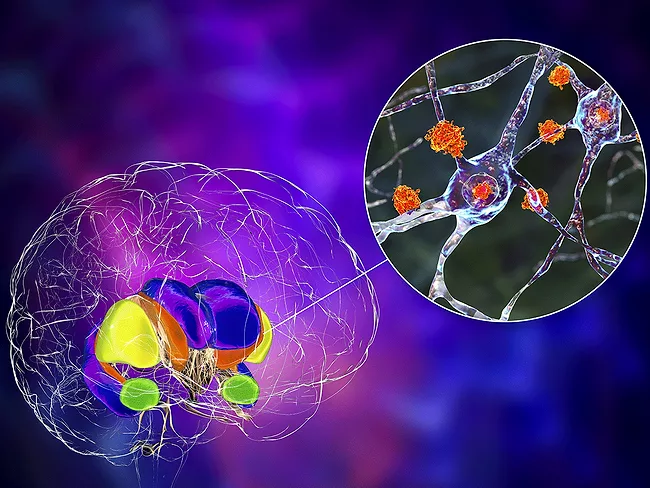
Loqus23 Therapeutics Ltd. has raised £35 million (US$46.6 million) in a series A to take forward small molecules it has discovered for the treatment of Huntington’s disease and other conditions that are driven by DNA mismatch repair (MMR). MMR fixes DNA insertions, deletions and misincorporation errors that occur during transcription and/or cellular replication. Smaller repairs are directed by MutSalpha, a protein that binds single base mismatches, while MutSbeta handles larger insertion/deletion loops. Huntington’s and other triplet repeat diseases are caused when trinucleotide repeats accumulate in somatic DNA to the extent that they interfere with protein expression.
Loqus23 Therapeutics Ltd. has closed a £35 million (US$43 million) series A financing, with the aim of supporting its work developing small-molecule somatic expansion inhibitors for the treatment of Huntington’s disease and other triplet repeat disorders.
Uniqure NV shares (NASDAQ:QURE) closed July 9 at $6.67, up $2.89, or 76%, after the firm made public updated interim data including up to 24 months of follow-up findings from 29 treated patients enrolled in the ongoing U.S. and European phase I/II trials of AMT-130 for Huntington’s disease (HD).
A nearly two-year-old partial clinical hold has been lifted by the U.S. FDA on PTC Therapeutics Inc.’s pivotal phase II study in Huntington’s disease. The agency had paused enrollment in October 2022, saying it wanted more data on PTC-518, an orally bioavailable small-molecule splicing modifier, before enrollment could continue.
Philadelphia-based Latus Bio Inc., co-founded by serial biotech entrepreneurs P. Peter Ghoroghchian and Beverly Davidson, launched on May 2 with two lead adeno-associated virus (AAV)-based gene therapy candidates and $54 million in a series A financing.
Latus Bio Inc. has launched with a focus on developing novel gene therapy candidates for central nervous system (CNS) disorders. An initial close of $54 million in series A financing will support the company.
After Sage Therapeutics Inc. reported a phase II failure with oral dalzanemdor, also known as SAGE-718, in mild cognitive impairment related to Parkinson’s disease (PD), Wall Street’s eyes turned to ongoing mid-stage efforts with the same N-methyl-D-aspartate receptor-positive allosteric modulator in Huntington’s disease and Alzheimer’s disease.
Evidence from research has pointed to a positive correlation between high glucocorticoid levels and the advancement of Huntington's disease (HD). Researchers from Leiden University Medical Center and Corcept Therapeutics Inc. have reported on the evaluation of CORT-113176 (dazucorilant), a glucocorticoid receptor antagonist, in mouse models of HD.
Mutant huntingtin (HTT) protein is the main cause of the pathological features leading to Huntington's disease (HD) development, a neurological disorder characterized by CAG repeat expansion in exon 1 of the HTT gene, which causes neuronal dysfunction and death along the brain.