As Royal Philips NV works to rebuild trust after a global device recall, it is investing in new models of access, affordability, and technology to close gaps in sleep apnea diagnosis and therapy across Asia.
Med-tech companies raised $8.13 billion in the second quarter of 2025, a modest dip from the $8.32 billion recorded in Q1. While the quarterly total marks a continued improvement over 2023’s lower figures, it still lags behind pre-pandemic peaks and the $22.87 billion raised in 2Q20. Compared to 2Q24’s $7.49 billion, this year’s figure reflects a slight year-over-year gain.
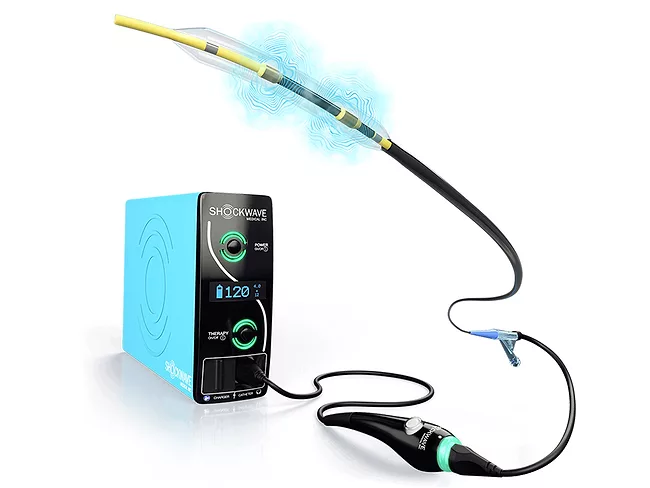
What does it take to create space in a market dominated by a single player? Three challengers to Johnson & Johnson's Shockwave shared their strategies for gaining traction in intravascular lithotripsy (IVL) at the Device Talks meeting June 11 in Minneapolis.
Australia’s Therapeutic Goods Administration initiated court proceedings against Philips Electronics Australia Ltd. over sound abatement foam used in CPAP machines marketed under the Respironics brand.
Royal Philips NV unveiled its Future Health Index report for 2025, and it reveals the widening trust gap between health care professionals and patients concerning the adoption of AI in health care.
Royal Phillips NV opted to withdraw the Tack endovascular repair device only six years after the U.S. FDA’s approved it. Tack is designed to repair vascular dissection caused by angioplasty. The associated recall lists 20 injuries and no fatalities, but the device design might be a culprit in forcing the withdrawal of the Tack.
Royal Philips NV recently secured EU MDR certification for the remote scanning capabilities on its Radiology Operations Command Center Console. The solution allows radiologists to remotely assist technologists in real-time by controlling scans to acquire images needed for improved diagnostic confidence and patient outcomes.
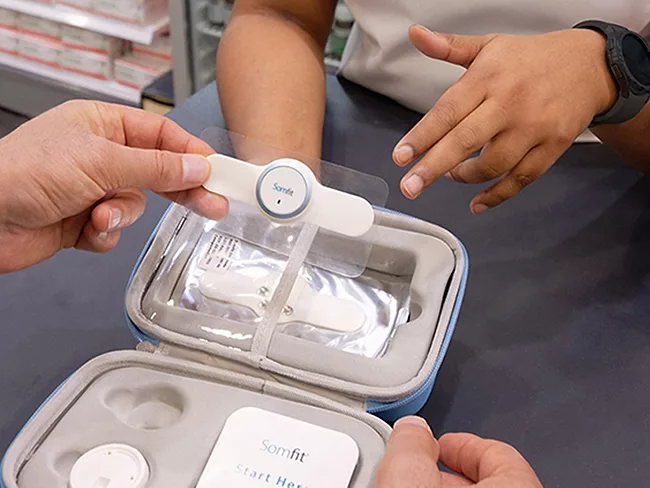
To increase diagnosis across Australia, the partnership will see Compumedics Ltd. of Melbourne supply its Somfit devices and electrodes to Philips’ pharmacy-based sleep programs in pharmacies across Australia.
The U.S. FDA hasn’t taken up criminal justice as a sideline, but it did just clear Sonio Suspect. Far from a social miscreant, Suspect improves detection of fetal anomalies by 22 points by automatically detecting multiple types of abnormal findings and allows for detection as early as 11 weeks of gestation.