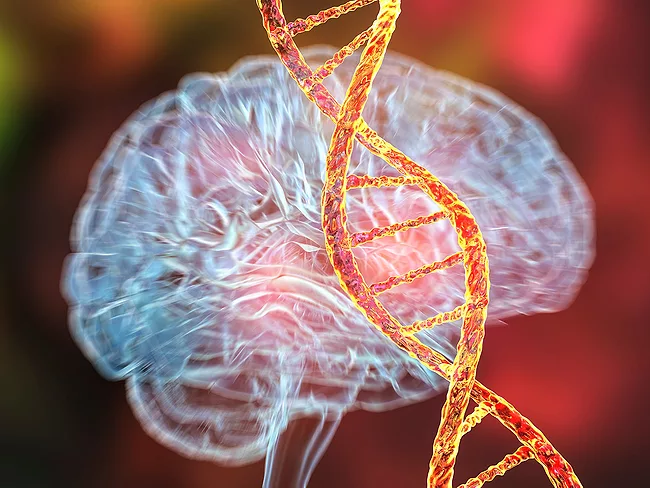
Congruence Therapeutics Inc. has received a research grant of $5 million from The Michael J. Fox Foundation for Parkinson's Research (MJFF) to advance its GCase-targeting small molecules for GBA1 Parkinson’s disease. Mutations of the GBA1 gene, encoding the enzyme GCase, represent the single largest genetic risk factor for Parkinson’s disease.
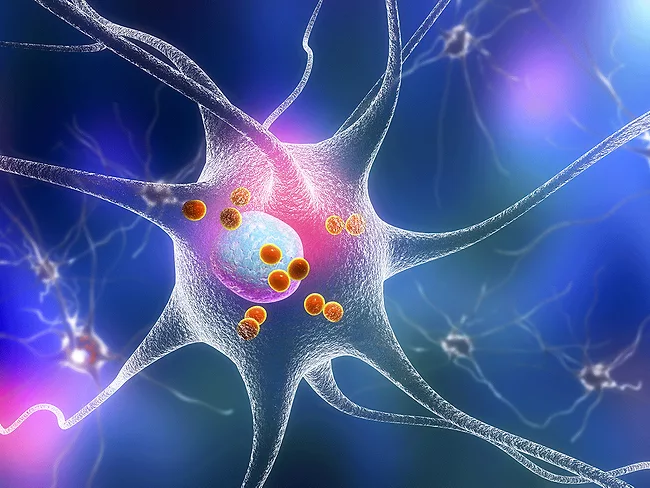
Parkinson’s disease (PD), the second most prevalent neurodegenerative disorder worldwide, is characterized by the progressive degeneration of dopaminergic neurons in the substantia nigra, leading to a decline in both motor and cognitive functions. Incretin-based therapies, initially designed for the treatment of type 2 diabetes, have demonstrated relevant neuroprotective effects in preclinical models of PD.
The switch will be flicked today to make the world’s largest dementia-related proteomics dataset freely available to researchers, at the same time as members of the consortium which compiled it publish the proteomics signatures of major neurodegenerative diseases that they uncovered in a first trawl of the data.
Progenra Inc. reports that it has discovered a new class of small-molecule PINK1 activators that restore function in mutant forms of the PINK1 kinase, a key mitochondrial regulator whose dysfunction leads to familial or early-onset Parkinson’s disease (PD).
Insightec Ltd. received U.S. FDA approval for use of its Exablate Neuro device to address severe motor symptoms in patients with Parkinson’s disease, offering a new option for patients who have not found adequate relief from medications. Exablate Neuro uses focused ultrasound to create lesions in the brain without requiring an incision or implant.
Acurex Biosciences Corp. has divulged fused quinone compounds acting as ferroptosis inhibitors reported to be useful for the treatment of mitochondrial disease.
Capsida Biotherapeutics Inc. has obtained IND clearance from the FDA for CAP-003, an intravenously administered gene therapy, for Parkinson’s disease associated with GBA mutations (PD-GBA). A phase I/II trial will begin dosing in the third quarter of this year.
Casma Therapeutics Inc. has nominated its first development candidate, CSM-101, a first-in-class TRPML1 agonist. CSM-101 is being developed for the treatment of Gaucher’s disease patients with Parkinson’s disease, with the potential to expand into GBA-associated Parkinson’s disease and broader Parkinson’s disease populations.
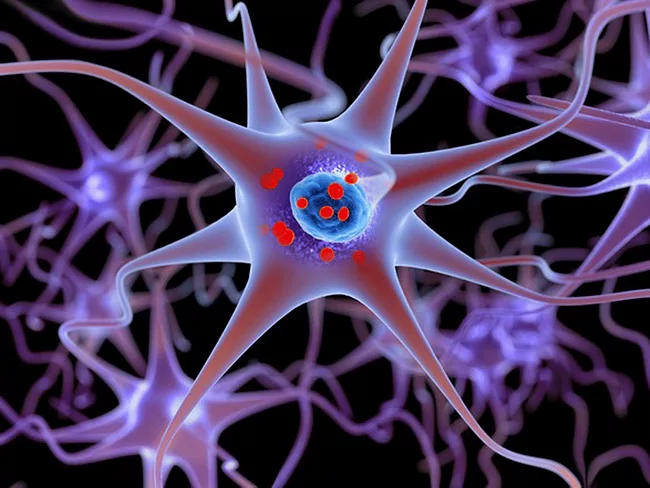
Parkinson’s disease (PD) is a neurodegenerative disorder characterized by the progressive loss of dopaminergic (DA) neurons in the substantia nigra, leading to clinical symptoms such as tremors, rigidity, bradykinesia and postural instability.