Protein phosphatase 2A (PP2A) is a key serine/threonine phosphatase that controls various signaling pathways and influences cancer development and treatment outcomes.
Haisco Pharmaceutical Group Co. Ltd. has identified peptide-drug conjugates comprising a peptide targeting integrin αvβ3 (vitronectin) covalently bound to a cytotoxic drug through a linker reported to be useful for the treatment of cancer.
Scientists at Hyperway Pharmaceutical Co. Ltd. and Shenzhen Hyperway Pharmaceuticals Co. Ltd. have divulged GTPase KRAS (mutant) inhibitors reported to be useful for the treatment of cancer, LEOPARD and Noonan syndromes.
Duality Biologics (Suzhou) Co, Ltd. has synthesized proteolysis targeting chimera (PROTAC) compounds comprising an E3 ubiquitin ligase binding moiety covalently linked to a eukaryotic peptide chain release factor GTP-binding subunit ERF3A (GSPT1)-targeting moiety through a linker reported to be useful for the treatment of cancer.
Scientists at Zhengzhou University and affiliated organizations synthesized and optimized a series of thienopyridine indole derivatives leading to the identification of compound [I] as the lead tubulin polymerization inhibitor with broad-spectrum antiproliferative activity.
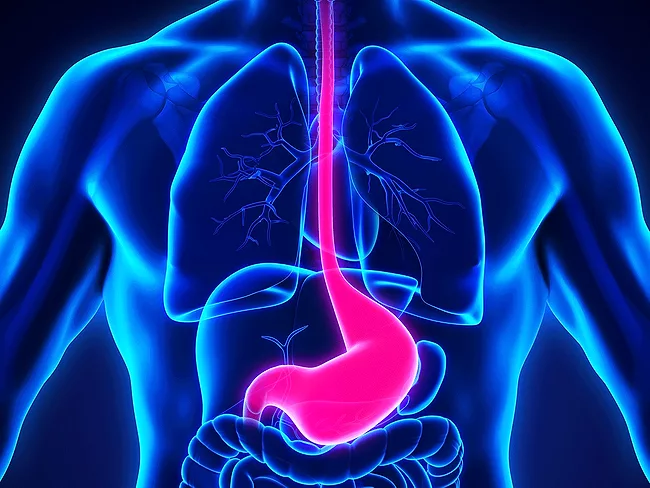
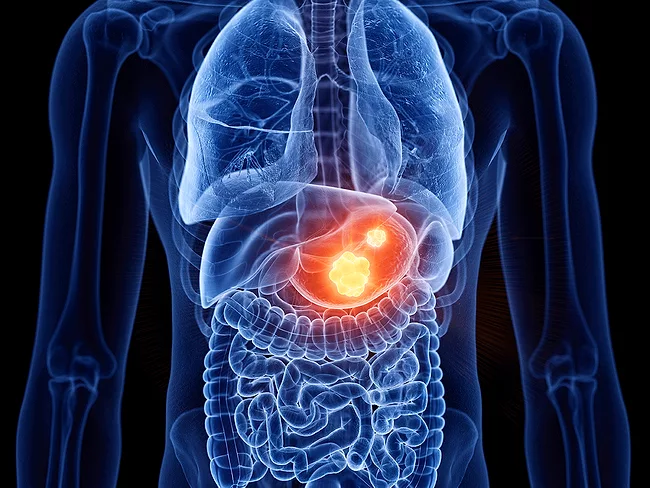
Research published online in Nature on March 19, 2025, closely examines the changes occurring in the gastric epithelium during the progression toward cancer development. Certain mutations that occur in normal, nonreproductive cells over time can make these cells more prone to becoming cancerous later. The project began as a collaboration between the labs of Mike Stratton at the Sanger Institute and Suet Yi Leung from the University of Hong Kong, funded by the Wellcome Trust and the Kadoorie Charitable Foundation.
Axcynsis Therapeutics Pte Ltd. has described antibody-drug conjugates comprising an antibody or antigen-binding fragment targeting alkaline phosphatase placental type (ALPP) and/or alkaline phosphatase, germ cell type (ALPPL2) covalently linked to a cytotoxic agent through a linker reported to be useful for the treatment of cancer.
In recently published work from Air Force Medical University, analysis of tumor tissues isolated from different patient-derived xenografts revealed significantly increased expression of FXYD5 in the metastatic tumors compared to the primary tumors, and analysis of patient database confirmed significantly elevated expression of FXYD5 in gastric cancer tissues compared to normal gastric tissues.
Astrazeneca AB has synthesized antibody-drug conjugates comprising an antibody or antigen-binding fragment covalently linked to cytotoxic moieties through enzymatically cleavable linkers reported to be useful for the treatment of cancer.
Mindrank Therapeutics (Suzhou) New Drug Research & Development Co. Ltd. has disclosed cellular tumor antigen p53 (TP53) (Y220C mutant) stabilizers reported to be useful for the treatment of cancer.