In research conducted at West China Hospital of Sichuan University and Chengdu University of Traditional Chinese Medicine, coupling of the pan-FGFR inhibitor erdafitinib with a CRBN binder led to a new series of fibroblast growth factor receptor (FGFR) degraders, with compound [I] identified as the lead candidate.
The FDA’s Oncologic Drugs Advisory Committee (ODAC) met for what chairperson Christopher Lieu called, at the end, “an incredibly long day” to decide whether approval of immune checkpoint inhibitors should be restricted in accordance with expression levels of PD-L1.
Innate Pharma SA has obtained IND clearance from the FDA for IPH-4502, its novel and differentiated topoisomerase I inhibitor antibody-drug conjugate (ADC) conjugated to exatecan targeting Nectin-4 in solid tumors. In nonclinical models, IPH-45 was well tolerated and showed antitumor efficacy in vitro and in vivo.
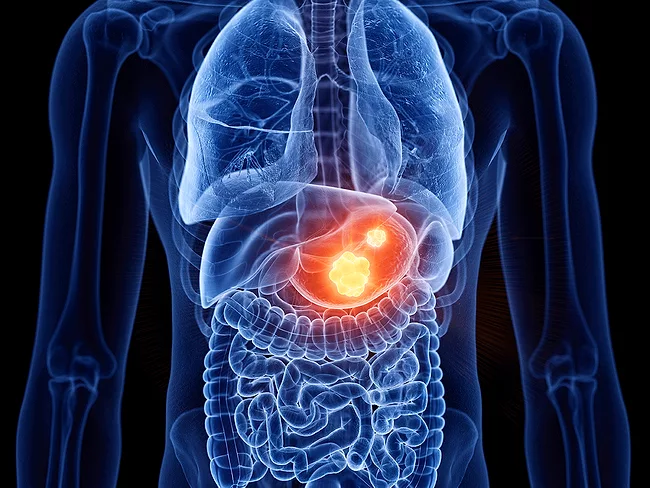
Gastric cancer (GC) is among the most malignant tumors in terms of incidence and mortality. Early diagnosis can improve the survival rate of patients, but there is a lack of effective biomarkers for the diagnosis and prognosis of GC. Zinc finger protein 1 homologue (ZFP1) plays an important role in transcriptional regulation during embryonic development. Its homologue, MLLT10, had been found to promote carcinogenesis in leukemia and colon cancer, but limited knowledge exists on the role of ZFP1 in cancer.
Tambo Inc. has described conjugates consisting of payloads covalently linked to trans-cyclooctene through a linker reported to be useful for the treatment of cancer.
OS Therapies Inc. has announced the development and in vitro concept data for two novel tunable antibody-drug conjugate (tADC) therapeutic candidates leveraging the company’s proprietary Silinker technology.
Medigene AG has obtained FDA clearance of its IND application for lead program MDG-1015 for the treatment of advanced gastric cancer, ovarian cancer, myxoid/round cell liposarcoma and synovial sarcoma.
Most patients with gastric cancer are diagnosed in advanced stages of the disease. Target identification and unveiling the molecular mechanisms behind it are crucial for this field.
Closely watched-for phase I data from Elevation Oncology Inc. in the Claudin 18.2 space sent shares of the Boston-based firm (NASDAQ:ELEV) down 63%, or $1.35, to close Aug. 6 at 78 cents. Elevation provided initial data from the dose-escalation portion of the ongoing experiment with antibody-drug conjugate (ADC) EO-3021 in patients with advanced, unresectable or metastatic solid tumors likely to express Claudin 18.2, including gastric, gastroesophageal junction (GEJ), pancreatic or esophageal cancers.