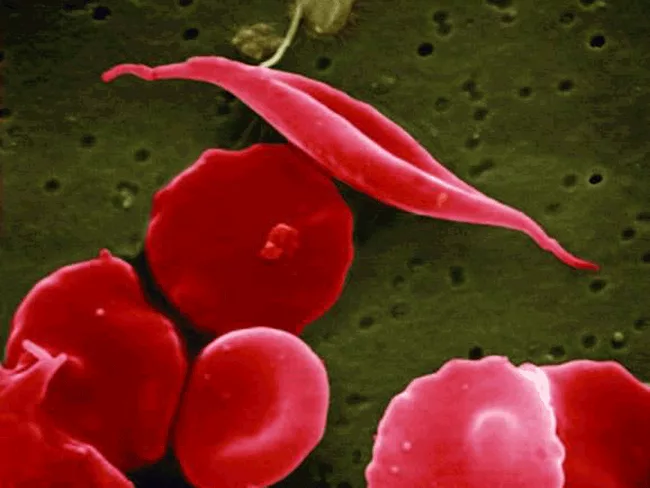
Shares of Bluebird Bio Inc. (NASDAQ:BLUE) fell 37.8% to $28.44 on Feb. 16 as the company temporarily suspended two trials of its experimental gene therapy for sickle cell disease, Lentiglobin (BB-1111), while investigating one unexpected case of acute myeloid leukemia (AML) and another of myelodysplastic syndrome among participants in a phase I/II study of the candidate, called HGB-206. A second patient experienced MDS in 2018.
Bluebird Bio Inc. CEO Nick Leschly conceded that it’s “hard for folks on the outside looking in” to understand why the firm would cleave its severe genetic disease (SGD) and oncology efforts into two independently traded public companies, but said the Cambridge, Mass.-based firm is making the change by the end of this year in order “to make sure we can basically fall down and get back up and learn everything we can in the most disciplined manner,” he said.
The exceptional and speedy response in bringing safe and effective vaccines and therapeutics to combat COVID-19 has kept investors engaged and supportive. As a result, not only have companies involved in this research and development benefited, but so has the sector as a whole. Those biopharma companies have enjoyed significant jumps in their share values, with the BioWorld Drug Developers index closing up 4.6% in December and up 29% for 2020.
Shares of Bluebird Bio Inc. (NASDAQ:BLUE) sank 16.6%, or $9.72, to close at $48.83 as Wall Street reacted to news that the U.S. regulatory filing for Lentiglobin in sickle cell disease (SCD) will be delayed. Previously expected in the second half of next year, the filing won’t happen until late 2022.
The CDC estimates that sickle cell disease affects well over 100,000 Americans, with the disease occurring most often in African Americans. September has been designated as National Sickle Cell Awareness month designed to focus attention on the ongoing research in this field and the need for new treatments.
ORLANDO, Fla. – At the 61st ASH annual meeting late-breaking abstracts session, researchers from Boston Children’s Hospital reported that three adult patients who had received an autologous transplant of gene-edited hematopoietic stem cells lacking BCL11A produced high levels of functional hemoglobin and had reduced disease symptoms for at least eight months after transplantation.
Significant progress is being made in the development of next-generation treatments for multiple myeloma. For that reason, investors and industry analysts alike will be anxiously awaiting the abstracts for the upcoming American Society of Hematology (ASH) annual meeting.
Bluebird Bio Inc. and Novo Nordisk A/S plan to develop in vivo genome editing treatments for genetic diseases, including hemophilia, over the next three years.