It’s been 20 years since Andrew Hopkins, founder and CEO of artificial intelligence drug research firm Exscientia plc, co-authored the seminal paper “The Druggable Genome,” which laid the foundations for the company and gave insights about how to make research more efficient and less costly. Now Hopkins’ colleagues at Exscientia have taken stock of progress in a new paper, “The druggable genome: Twenty years later,” that summarizes advances in the field and evolution in thinking over the past two decades.
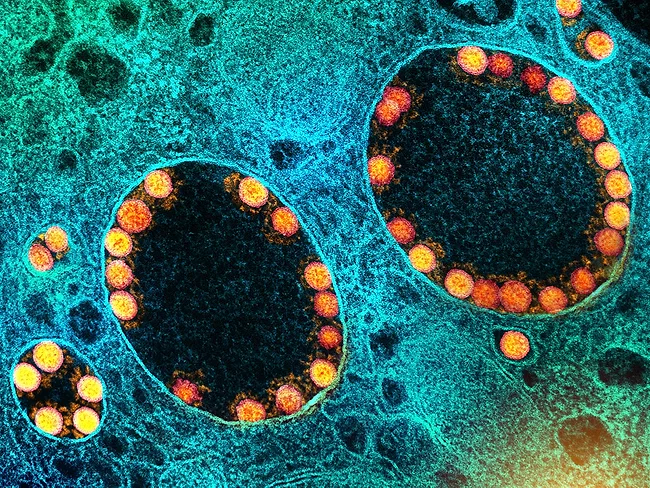
Although U.S. President Joe Biden suggested in September that the pandemic is over, health officials insist there is still much to do in preparation for an endemic stage of the SARS-CoV-2 virus. The number of weekly COVID-19 confirmed cases both globally and in the U.S. is similar with each of the last two years, but deaths from the virus are at some of the lowest levels since the pandemic began. Still, the virus will continue to evolve and circulate, and the biopharma industry will need to develop new booster vaccines, antivirals and monoclonal antibodies, among other candidates, to prepare for upcoming battles.
Companies across biotech and pharma are scrambling to find ways of reducing their energy consumption and overall dependence on fossil fuels, following the sudden and stark increase in prices sparked by Russia’s invasion of Ukraine.
Three months after agreeing to an intellectual property waiver for COVID-19 vaccines, World Trade Organization (WTO) members are discussing expanding it to therapies, diagnostics and devices used in preventing, diagnosing and treating COVID-19 infections.
Infex Therapeutics Ltd. has divulged nonstructural protein 3 (nsp3, PL-PRO) macrodomain (Mac1) (SARS-CoV-2; COVID-19 virus) inhibitors reported to be useful for the treatment of coronavirus acute respiratory syndrome.
Three months after agreeing to an intellectual property waiver for COVID-19 vaccines, World Trade Organization (WTO) members are discussing expanding it to therapies, diagnostics and devices used in preventing, diagnosing and treating COVID-19 infections.
Companies across biotech and pharma are scrambling to find ways of reducing their energy consumption and overall dependence on fossil fuels, following the sudden and stark increase in prices sparked by Russia’s invasion of Ukraine.
Maxwell Biosciences Inc. has announced data on the utility of its Claromer drug discovery platform for the treatment and prevention of SARS-CoV-2, and potentially other respiratory viruses, through a series of preclinical in vitro and in vivo studies.
The U.S. Government Accountability Office (GAO) recently published a report on the pandemic-driven expansion of telehealth for Medicare beneficiaries, and pointed to some privacy and security risks of which patients may be unaware. However, GAO also noted that the CMS does not yet have a good handle on the rate of telehealth fraud and has not yet collected reliable data on telehealth outcomes, two gaps that will have to be filled if Congress is to comfortably vote to make permanent some of these pandemic-driven telehealth policies.
The COVID-19 pandemic may or may not be over, depending on which member of the U.S. government’s executive branch one asks, but the FDA’s device center has drawn much tighter lines around its emergency use authorization (EUA) program for COVID-19 tests.