Tris Pharma Inc.’s positive top-line data from a pivotal phase III study of cebranopadol in pain relief has the company thinking about an NDA submission later in the year. The company’s goal is to avoid the problems opioids have brought to treating pain.
Researchers from Cornell University are seeking protection for their invention of a low-cost artificial intelligence (AI)-based platform that analyses low resolution electrocardiogram data and/or photoplethysmography data to accurately and objectively assess pain.
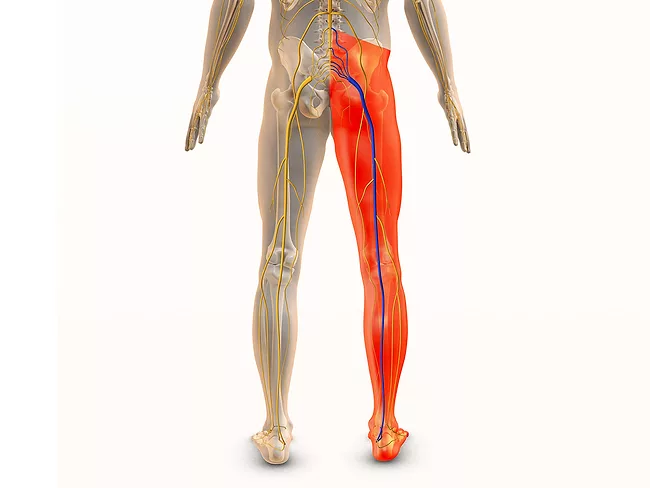
Data from two out of three positive studies faced the U.S. FDA’s Anesthetic and Analgesic Drug Products Advisory Committee as members examined the package submitted by Seikagaku Corp., of Tokyo, for SI-6603 (condoliase), a chemonucleolytic drug for radicular leg pain associated with lumbar disc hernia.
Data from two out of three positive studies faced the U.S. FDA’s Anesthetic and Analgesic Drug Products Advisory Committee as members examined the package submitted by Seikagaku Corp., of Tokyo, for SI-6603 (condoliase), a chemonucleolytic drug for radicular leg pain associated with lumbar disc hernia.
The U.S. FDA’s Anesthetic and Analgesic Drug Products Advisory Committee will scrutinize Jan. 10 the safety and efficacy of Ferring Pharmaceuticals Inc.’s SI-6603 (condoliase), a chemonucleolytic drug for radicular leg pain associated with lumbar disc hernia.
Chronic pain affects about 20% of the population worldwide. It is – inadequately – treated with nonsteroidal anti-inflammatory compounds and opioids that lack efficacy and that are associated with serious side effects. The signaling axis composed of nerve growth factor (NGF) and the receptor tropomyosin-related kinase A (TrkA) is one of the few nonopioid targets that have been validated for treating chronic pain in patients.
Clinical data reported by a handful of biopharmas on Dec. 19 sent stocks soaring or plunging, as company leaders laid out next-step plans. Investors showed enthusiasm for Omeros Corp.’s narsoplimab to treat hematopoietic stem cell-transplant-associated thrombotic microangiopathy (TA-TMA), and Roche AG’s Parkinson’s prospect prasinezumab, which is partnered with Prothena Corp. plc.
Gruenenthal GmbH has patented new cis-8-(3,5-difluorophenyl)-8-(dimethylamino)-1,3-diazaspiro[4.5]decan-2-one derivatives acting as nociceptin receptor (OPRL1; KOR3; ORL1) agonists and thus reported to be useful for the treatment of pain.
Oblique Therapeutics AB has achieved a milestone within its research project on the Nav1.8 ion channel with the goal of developing innovative therapeutics for patients with chronic pain.