The new regulatory framework for the EU is now in force, and it touches on the respective roles of manufacturers, distributors and other economic operators (EOs). Erik Vollebregt, of Axon Lawyers in Amsterdam, told an audience at the 2021 Regulatory Convergence sessions that the roles and responsibilities of these EOs are frequently misunderstood, a predicament that amplifies the regulatory and legal risk for all these entities doing business in the EU.
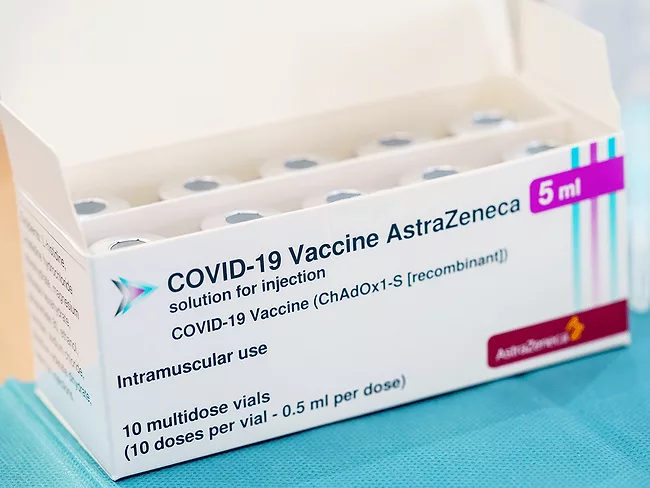
The European Commission and Astrazeneca plc have ended their legal row over COVID-19 vaccines, while also reaching an agreement over supplies of remaining shots to Europe. The settlement brings to an end an unseemly row over vaccine supply, which further soured relations between the EU and U.K. following Brexit.
The European Commission has posted the first sets of standards for the European Medical Device Regulation (MDR) and In Vitro Diagnostic Regulation (IVDR). The new publications had been long-awaited as more and more manufacturers leverage voluntary consensus standards to comply with requirements across regulatory bodies while promoting international harmonization.
The World Health Organization’s (WHO) guidance for ethics and governance for artificial intelligence (AI) in health discusses several issues regarding regulation, including the question of transparency for the algorithm’s source code. The WHO paper is not prescriptive on this and several other issues, however, raising the prospect that regulatory entities will not be discouraged from adopting policies that run afoul of intellectual property concerns and thus impede advances in AI.
As the first flagship action of Europe’s plan to beat cancer, the European Commission launched its Cancer Knowledge Center June 30. The new online platform will map the latest evidence on cancer, provide health care guidelines and quality assurance schemes, and monitor and project trends in cancer incidence and mortality across the EU, where cancer is the No. 1 killer for people younger than 65.
The European Commission (EC) unveiled on Monday its new joint implementation and preparedness plan for the European Union’s In Vitro Diagnostic Regulation (IVDR). It sets forth priority actions, noting “the implementation of the IVDR has proven to be a very challenging task,” exacerbated in the response to the COVID-19 pandemic “despite the efforts undertaken by all” to transition.
The European Commission unveiled its third alternative to providing global access to COVID-19 vaccines and treatments just ahead of the June 8 meeting of the World Trade Organization’s Council for Trade Related Aspects of Intellectual Property Rights and the start of the G7 summit.
The European Commission posted a draft legislative framework for regulation of artificial intelligence (AI), a document that spans all potential uses of such algorithms rather than just medical ones. The text seems to suggest that all medical uses of AI will be deemed high-risk uses, but this draft is just the opening salvo in a process that will span a year, perhaps longer, before the legislation will be drafted and finalized.
In a first for the biotech industry, the European Commission (EC) has imposed a €7.5 million (US$9.05 million) fine on Sigma-Aldrich, under the EU’s 2004 Merger Regulation, for providing incorrect or misleading information during a merger investigation.
Astrazeneca plc’s saga of its COVID-19 vaccine continued this week with the European Commission (EC) deciding to begin legal action against the Cambridge, U.K.-based company, claiming it has failed to deliver doses in line with its contract.