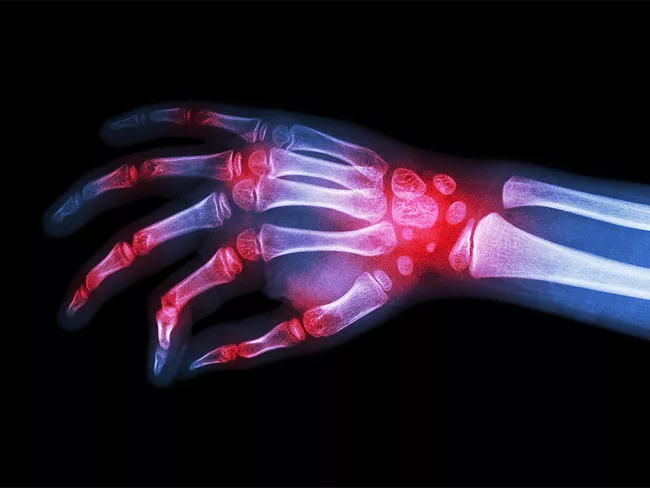
In the inflamed joints of rheumatoid arthritis, CD4+ T lymphocytes accumulate lipid droplets that make them vulnerable and promote their death, thereby amplifying joint inflammation. A study led by scientists at Mayo Clinic and Stanford University suggests that blocking the formation of these lipid droplets or their contents could offer a therapeutic strategy for this condition.
Researchers from Stanford School of Medicine and Yonsei University College of Medicine reported the discovery and preclinical characterization of novel KLHDC2-mediated CDK6-selective degraders.
The cardiomyositis that is a rare adverse effect of mRNA-based COVID vaccines is due to immune cell activity as a result of increased levels of the chemokines CXCL10 and interferon-γ (IFN-γ). Blocking CXCL10 and IFN-γ could prevent muscle cell damage in cell culture, and cardiomyositis in animal models. The findings, reported in the Dec. 10, 2025, issue of Science Translational Medicine, suggest a way of mitigating the risk of cardiomyositis.
Arc Research Institute and Stanford University have disclosed ectonucleotide pyrophosphatase/phosphodiesterase family member 1 (ENPP1) and/or ENPP3 inhibitors reported to be useful for the treatment of cancer.
Researchers at Dana Farber Cancer Institute Inc. and Stanford University have identified RAF proto-oncogene serine/threonine-protein kinase (RAF1; cRaf) inhibitors reported to be useful for the treatment of cancer.
Researchers from Stanford University have reported that inhibiting the enzyme 15-hydroxyprostaglandin dehydrogenase (15-PGDH) promoted cartilage regeneration in mouse models of osteoarthritis due to either aging or tissue injury. An oral version of the inhibitor that the team used is in a clinical trial for sarcopenia; it improved muscle mass and strength in preclinical studies. However, the mechanism by which 15-PDGH inhibition works appears to differ in the two conditions.
Adaptor protein-2 associated kinase 1 (AAK1) is key in clathrin-mediated endocytosis, which diverse viruses hijack in order to infect cells. Inhibiting AAK1 has been shown to block the entry of hepatitis C, dengue and rabies viruses into cells.
Mutations that activate phosphorylation of certain Rab GTPases by LRRK2 have been linked to a subset of genetic cases of Parkinson’s disease, and PPM1M is one of the phosphatases responsible for reversing phosphorylation by LRRK2.
Stanford University has disclosed leucine-rich repeat kinase 2 (LRRK2; dardarin) inhibitors reported to be useful for the treatment of cancer, Crohn’s disease, leprosy, neurodegeneration, immunological disorders, Parkinson’s disease and Alzheimer’s disease.
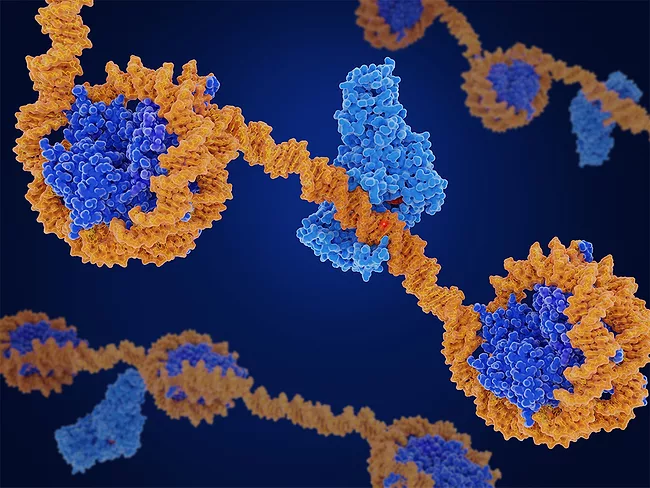
Experimental drugs that directly inhibit the NSD2 enzyme have shown potential as an effective strategy against hard-to-treat cancers, such as lung and pancreatic tumors driven by KRAS mutations. The therapeutic mechanism involves reversing a histone H3 methylation that promotes open chromatin and the expression of oncogenes.