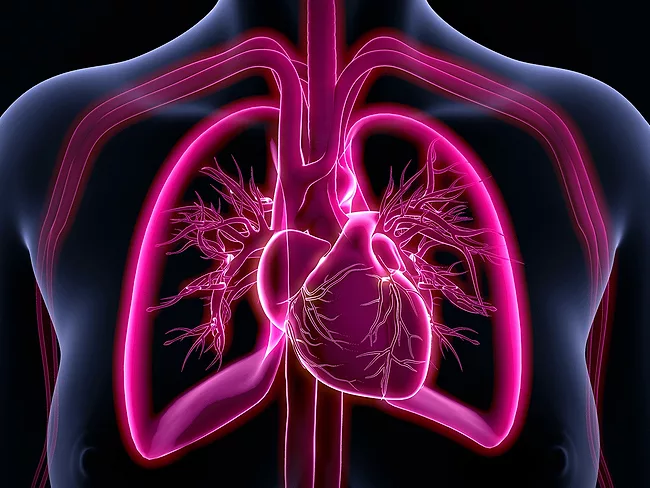
BMPR2 mutations are the most common genetic cause of pulmonary arterial hypertension (PAH). Pulmonary artery endothelial cells (PAECs) with reduced BMPR2 expression are linked to a persistent DNA damage after reoxygenation. Forkhead box F1 (FOXF1) is a transcription factor with affinity for endothelial cells in the lung, and its reduced expression has also been associated with DNA damage in those cells and PAH.
Stanford University researchers are seeking patent protection for a medical device for performing endovascular surgical procedures, such as thrombectomy, rotablation, drug delivery and treating brain aneurysms. The device includes a magnetically actuated untethered rotation device, i.e., a magnetic spinner, that can navigate in blood vessels through its spinning-enabled propulsion.
At the recent American Society of Human Genetics meeting, researchers from Stanford University reported clinical and functional evidence of the involvement of ARHGAP1, a Rho GTPase-activating protein (GAP) gene, in a patient exhibiting a syndromic neurodevelopmental disorder.
Increasing knowledge of the cancer glycome and the need for new options to overcome resistance to immune checkpoint inhibitors are leading to an expansion of glycoimmunology. Stanford University professor Carolyn Bertozzi demonstrated that cell-surface glycans may be tagged to become targetable glyco-immune checkpoints.
Lipids are “very diverse, but also vastly understudied,” Anne Brunet told the audience at the recent meeting on Aging Research and Drug Discovery. Advances in the ability to predict protein structures have fueled a much better understanding of the human proteome and its estimated 20,000 members. The lipidome is much larger, numbering maybe 100,000 total. And what those lipids do remains much more fuzzy. “Very little is known about their function, and especially their function during aging,” Brunet said. Slowly, however, technological advances are enabling researchers to understand the roles of lipids as well.
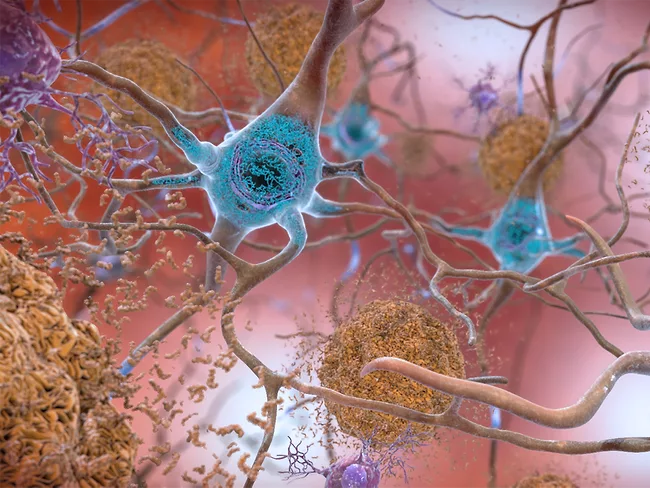
The role of the enzyme γ-secretase in neuronal cholesterol metabolism could have a beneficial effect on the synapse that has not yet been explored in Alzheimer’s disease (AD). On Aug. 4, 2023, scientists at Stanford University School of Medicine and the Howard Hughes Medical Institute published a study online in Neuron that linked cholesterol levels in the brain to synaptic dysfunction in AD.
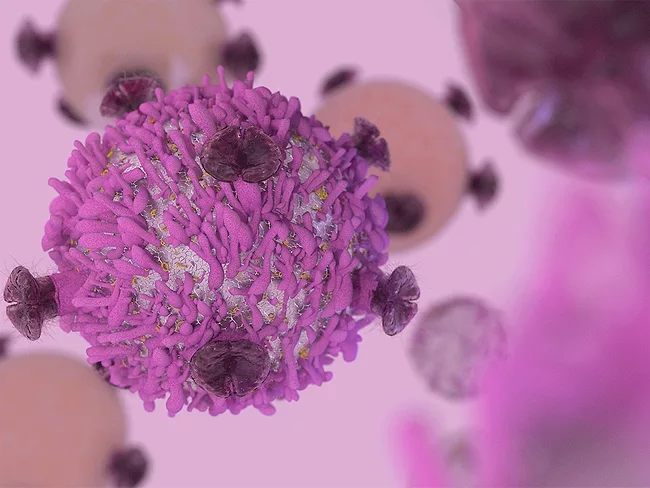
CAR T-cell immunotherapy is designed with different targets depending on the receptors they will bind to. CARs can also contain different tools, like the concept of a Swiss army knife, with several utensils for different tasks. The goal is to make them more effective and durable. During the second session of the Spotlight on Immuno-Oncology conference, “Novel CAR designs and approaches,” Robbie Majzner, of Stanford University, described expanding the main components of CAR T cells to acquire new functions and act on different cell pathways.
The first participants are being treated in a clinical trial assessing a neuromodulation system developed by Magnus Medical Inc. to treat depression. The system employs the recently FDA-cleared Saint neuromodulation technology that saw remarkable results in a clinical trial for treating major depressive disorder (MDD). The new Open Label Optimization (OLO) clinical trial is evaluating the effectiveness of this platform in conjunction with the medtech’s Magnus Neuromodulation System.
Non-profit Solve GNE LLC has raised over $2.5 million and announced sponsored research agreements to help advance research in hereditary inclusion body myopathy (HIBM), or GNE myopathy (GNEM).
The Hubmap consortium has released the atlas of three human organs, a cell-by-cell map based on overlaid images from microscopy and molecular data. Maps of the intestine, the kidney and the placenta, published in three simultaneous articles, have revealed the cellular morphology and architecture of these organs in healthy and diseased conditions.