Researchers from Stanford University and affiliated organizations have provided details on the discovery and preclinical evaluation of [11C]MGX-10S, a novel PET tracer for GPR84, which is a G protein-coupled receptor (GPCR) expressed predominately on myeloid cells.
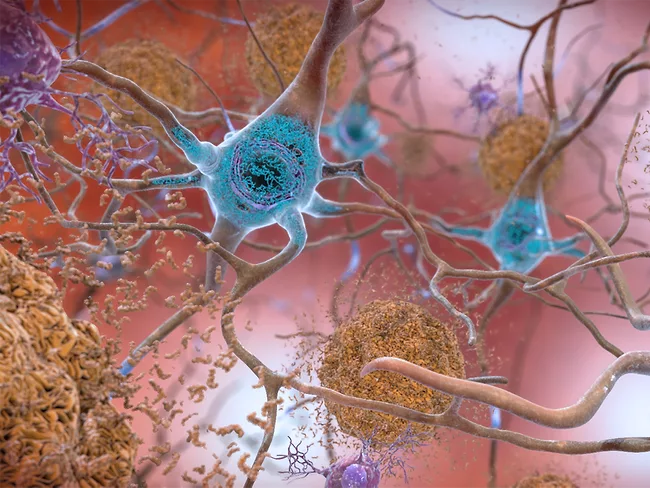
With the approval of Aduhelm (aducanumab, Eli Lilly & Co.) and Leqembi (lecanemab, Eisai Co. Ltd.), there are finally amyloid-targeting drugs available for Alzheimer’s disease (AD). What’s not available, though, are rose-colored glasses of the prescription strength that would make these approvals look like AD’s happy ending. The biopharma industry is already well aware of the need for broader horizons. Roughly three-quarters of drugs now in clinical development for AD target neither amyloid-β (Aβ) nor tau. Still, the genetic evidence from familial AD strongly implicates Aβ processing in AD’s origins. In his opening plenary talk at the European Academy of Neurology 2023 annual conference, Thomas Südhof suggested new ways to look at the clinical data.
Over the past decade there has been much research into the use of induced pluripotent stem cells (iPSCs) as a cell therapy to regenerate tissue and treat heart disease. Now, one researcher has narrowed the focus down to treating heart disease not with whole cells, but with mitochondria derived from iPSCs. Gentaro Ikeda, a researcher at the Department of Medicine at Stanford University, has worked on generating extracellular vesicles (EVs) containing mitochondria from pluripotent stem cell-derived cardiomyocytes and administering these to restore the functionality of the myocardium in a porcine model of an infarct.
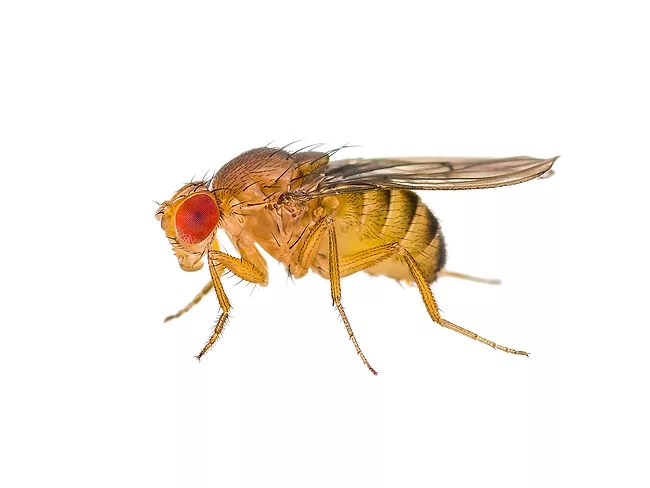
The unprecedented rise in life expectancy has made advances in the understanding of biological hallmarks of aging, at both the molecular and cellular levels, essential. A joint effort between Baylor College of Medicine, Genentech Inc., Stanford University and collaborating institutions has led to the release of the first Aging Fly Cell Atlas (AFCA) as a result of a deep dive analysis of 163 different cell types in Drosophila melanogaster, the common fruit fly.
The Hallmarks of Cancer are a core set of processes that are broadly deregulated in many types of cancer. Douglas Hanahan and Douglas Weinberg first introduced the concept, with six candidate hallmarks, in 2000. Since then, two additional hallmarks have been added. And the hallmarks have also been complemented by the description of enabling characteristics, which are prerequisites necessary for cells to acquire the hallmarks themselves.
Coronary artery disease (CAD) will likely remain the worldwide leading cause of death for the next couple of decades. Genome-wide association studies (GWAS) have been useful to identify hundreds of genomic loci that contribute CAD risk.
Chan Zuckerberg Biohub and Stanford University have identified cyclin-dependent kinase 19 (CDK19) inhibitors reported to be useful for the treatment of triple-negative breast cancer.
Unexpected behavior of neutrophils unveiled by researchers at Stanford University could lead to a new type of immunotherapy to treat cancer. Although various studies have suggested that these cells are harmful due to their immunosuppressive characteristics, the scientists saw in them an opportunity to redirect them and eliminate tumors.