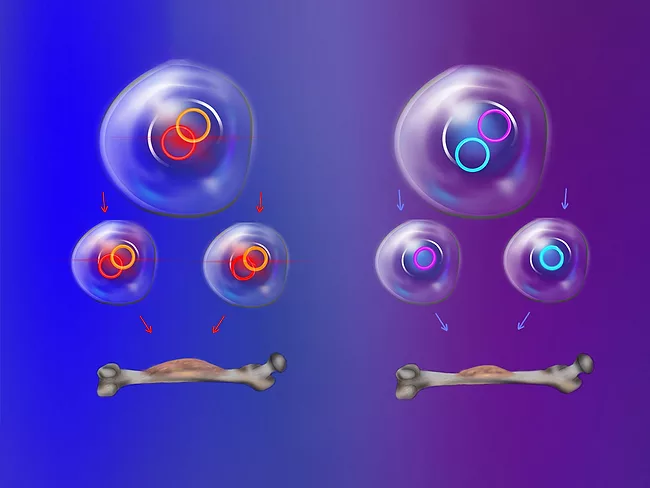
Cancer therapies can eliminate specific tumors based on their genetic content. However, some cancer cells survive. How do they do it? Part of the answer lies in extrachromosomal DNA (ecDNA), an ace up the tumors’ sleeve to adapt and evade attack. Three simultaneous studies in the journal Nature lay all the cards on the table, revealing ecDNAs’ content, their origin, their inheritance, their influence in cancer, and a way to combat them.
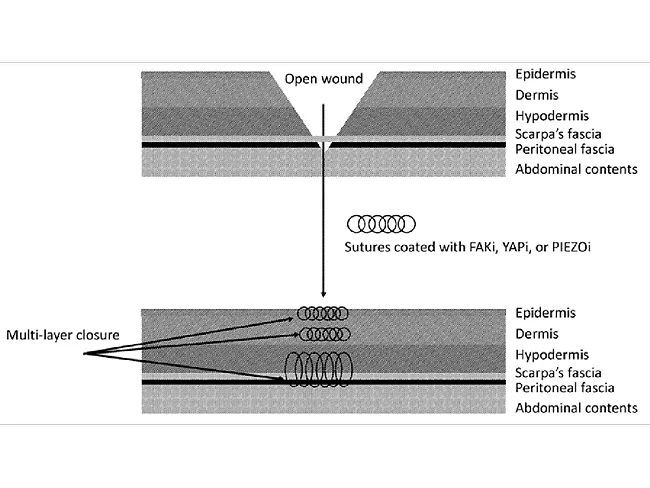
Researchers from Stanford University have filed for protection of their use of mechanotransduction inhibitors in coatings for surgical sutures to reduce scarring.
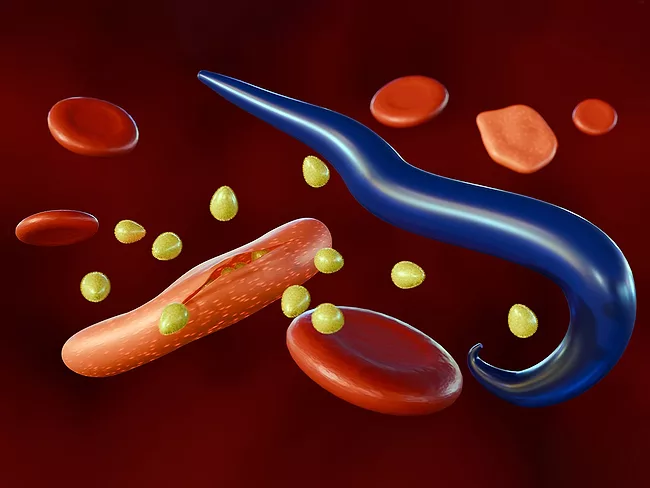
Novel antimalarials are urgently needed to face the challenge of increasing parasite resistance. The isoprenoid precursor biosynthesis pathway is an attractive target for developing novel antimalarial drugs, being an essential and specific pathway in apicomplexan parasites.
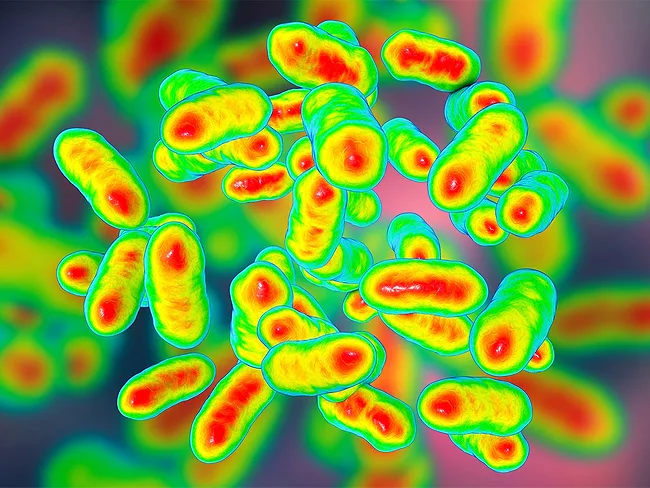
The gastrointestinal tract could be key to developing new drugs to combat resistant bacteria. Computational analysis of the human microbiome has revealed a new class of peptides with antimicrobial potential that, once synthesized, inhibited the growth of several microorganisms in vitro and in vivo.
In Pumpkinseed Technologies Inc.’s first public patenting, the company’s co-founders describe their development of new proteomics platform that merges nanotechnology, biochemistry, silicon photonics and machine learning for high-resolution phenotyping to deliver new biological insights.
Germline variants that did not affect gene function nevertheless affected multiple aspects of breast cancer risk, via their visibility to the immune system and its reactions. Perhaps most surprisingly, the same genetic constellations that were protective at the very earliest stage of breast cancer, stage 0 or ductal carcinoma in situ, were associated with worse outcomes once a tumor had become invasive.
Germline variants that did not affect gene function nevertheless affected multiple aspects of breast cancer risk, via their visibility to the immune system and its reactions. Perhaps most surprisingly, the same genetic constellations that were protective at the very earliest stage of breast cancer, stage 0 or ductal carcinoma in situ, were associated with worse outcomes once a tumor had become invasive.
A metabolite that suppresses appetite and food intake after exercise could be the reason for the weight loss observed in patients treated with metformin to control blood glucose. A study conducted by a group of scientists at Stanford University showed how this antidiabetic drug induced the biosynthesis of N-lactoyl-phenylalanine (Lac-Phe), which has an effect reducing the body mass index.
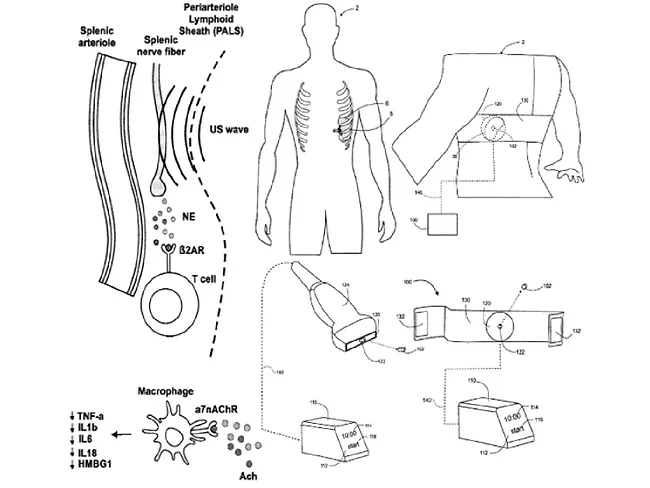
Researchers from Stanford University seek patent protection for an ultrasound-based device which converts electrical energy into acoustic energy to treat inflammatory disorders. The neuromodulator device targets the cholinergic anti-inflammatory pathway (CAP), which regulates the innate immune response to injury, pathogens, and tissue ischemia.
Following a strategic transaction with Graphite Bio Inc., Kamau Therapeutics is emerging from stealth with sickle cell treatment nulabeglogene autogedtemcel (nula-cel). Kamau received an option to acquire all of Graphite’s genome editing assets, including a platform technology that integrates precision DNA repair using homology directed repair and CRISPR/Cas9, as well as the autologous CRISPR/Cas9 gene corrected CD34+ cell product nula-cel, which offers a potential cure for sickle cell disease derived from the patient's cells.