Heat-shock protein 90 (HSP90) is known to be a key member of the epichaperome complex that is involved in the maintenance of protein homeostasis during stressful and nonstress conditions, and known to be overexpressed in glioma tumors, conferring cancer cells survival and resistance to therapy. In this study, researchers at The University of Texas MD Anderson Cancer Center investigated the activity and toxicity profile of MPT-0B640, an HSP90 inhibitor, for treating gliomas and its ability to cross the blood-brain barrier (BBB) using glioma stem-like cell (GSC) lines.
MGFB, a subsidiary of Fairwinds Bio, has entered into a patent license agreement with Mayo Clinic to advance experimental cancer vaccine therapeutics based on a novel platform developed at Mayo.
Novaccess Global Inc. has announced the approval of its application with the FDA for orphan drug designation for TLR-AD1, a vaccine immunotherapy for the treatment of aggressive brain cancers, including glioblastoma and other high-grade gliomas. The company’s therapeutic path involves a unique transformational process, which involves the addition of proprietary substances to create a cocktail for more personalized treatment that substantially increases clinical benefits for patients.
A germline change in a single nucleotide increased the risk by up to 6-fold of developing an isocitrate dehydrogenase (IDH) mutant low-grade glioma. The rs55705857 genotype could serve as a biomarker before surgery to identify an early glioma.
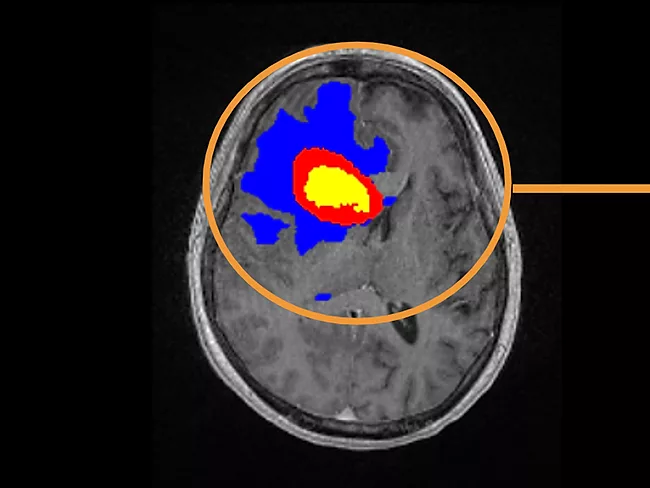
Brain MRIs can reveal a great deal about brain tumors, but tracking response to treatment, clearly delineating edges and identifying other critical information remain problematic. Neosoma Inc.’s recently granted FDA 510(k) clearance may simplify treatment of the most challenging of these tumors, high-grade gliomas. The Neosoma High-Grade Glioma (HGG) neuro-oncology software device uses artificial intelligence to provide detailed measurements and 3D analysis that enable greater precision in procedures and better monitoring.
The prognostic role of complement inhibitor CSMD1 was assessed in 1,507 patients with glioma from three different datasets. Results of the bioinformatical analysis suggested that high expression of CSMD1 was associated with increased overall survival and disease-free survival, as well as lower tumor grade.
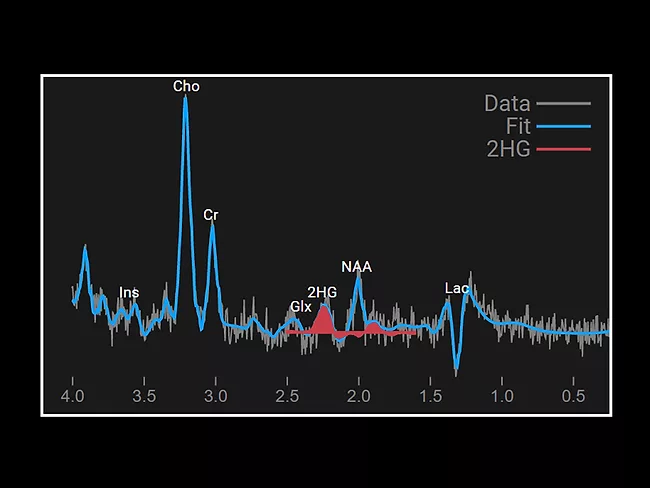
The U.S. FDA granted breakthrough device designation to startup Brainspec Inc. for its non-invasive virtual brain biopsy system. The company uses standard magnetic resonance imaging equipment to measure brain chemistry rather than to create images, providing a more detailed view of pathophysiology involved in a range of neurological disorders.
The U.S. FDA’s effort to push companies toward more and better randomized, controlled trials ahead of accelerated approvals – apparently driven by the lack of confirmatory studies done afterward – is “an important and meaningful move by the agency,” said Day One Pharmaceuticals Inc. CEO Jeremy Bender. “The industry’s history in that space has been a little mixed.” Bender’s remarks came Aug. 9 as part of a wide-ranging panel discussion hosted by analyst Robert Driscoll during the Wedbush Pacgrow Healthcare Conference.
Day One Biopharmaceuticals Inc.’s phase II data with tovorafenib from the Firefly-1 study in pediatric brain cancer dazzled Wall Street, and shares (NASDAQ:DAWN) closed $14.96, up $8.34, or 126%.