Shanghai Institute of Materia Medica of the Chinese Academy of Sciences has synthesized mast/stem cell growth factor receptor Kit (KIT; c-KIT; CD117) inhibitors reported to be useful for the treatment of cancer, autoimmune diseases, inflammatory and neurological disorders.
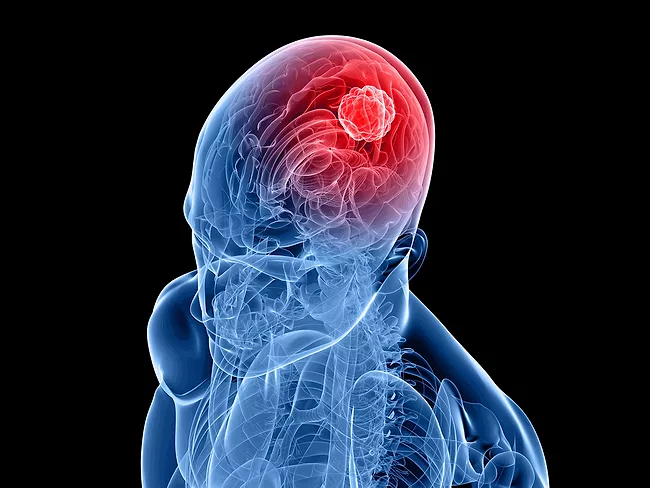
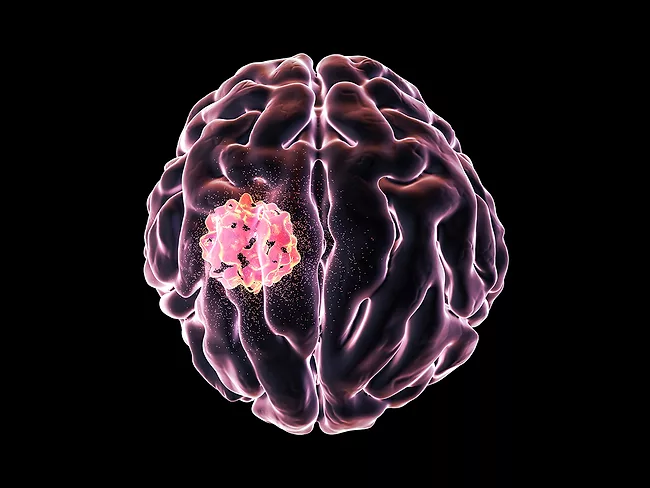
Glioblastoma is a particularly aggressive form of brain cancer characterized by rapid infiltration into surrounding brain tissue, especially in areas of increased neuronal activity. Neurons and nerve fibers have recently been identified as vital components of the tumor microenvironment that favor the initiation and progression of a variety of solid tumors, including gliomas. Researchers have gained new insights into the molecular mechanisms driving glioblastoma infiltration and identified subtypes of neurons that serve as the substrate for driving tumor progression.
Celros Biotech Co. Ltd. has synthesized cytochrome b-245 heavy chain (CYBB; NOX2) and NADPH oxidase 4 (NOX4) inhibitors reported to be useful for the treatment of atherosclerosis, Alzheimer’s disease, cirrhosis, diabetes, cancer, glomerulonephritis, psoriasis and rheumatoid arthritis, among others.
The isocitrate dehydrogenase (IDH) enzyme family catalyzes the oxidative decarboxylation of isocitrate to produce α-ketoglutarate (α-KG). IDH1 and IDH2 mutants use the latter to generate the oncogenic metabolite R-2-hydroxyglutarate (2-HG). IDH mutations are highly prevalent in gliomas.
Researchers at Cold Spring Harbor Laboratory have successfully reversed epigenetic changes and slowed tumor growth in mouse models of diffuse intrinsic pontine glioma (DIPG) using antisense oligonucleotide (ASO) technology. DIPG is a rare pediatric brain cancer where the tumor’s location in the pons of the brainstem makes surgery impossible, and fractioned radiotherapy and chemotherapy efforts have failed to improve survival so far.
Les Laboratoires Servier SAS is touting its phase III win with vorasidenib as the first major advance in decades for low-grade glioma, with the trial called Indigo scoring statistical significance on two measures against residual or recurrent isocitrate dehydrogenase-mutant disease. The Suresnes, France-based firm said Indigo met the primary endpoint of progression-free survival (PFS) and the key secondary endpoint of time to next intervention (TTNI). The results of the prespecified interim analysis proved not only statistically significant but also clinically meaningful in PFS and TTNI.
Whether as primary tumors or metastases, brain tumors remain stubbornly intractable to the progress that has occurred in many other tumor types. As Igor Vivanco, who is a senior lecturer in the Institute of Pharmaceutical Science at King’s College London, noted in his talk at the European Society for Medical Oncology Targeted Anticancer Therapies (ESMO TAT) meeting in Paris this week, the last win in glioblastoma was the addition of temozolomide to the radiotherapy standard of care in 2005. And temozolomide’s benefit is measured in months, not years.
The FDA has cleared Tango Therapeutics Inc.'s IND application for TNG-462, a next-generation methylthioadenosine-cooperative (MTA) inhibitor of protein arginine methyl transferase 5 (PRMT5) for the treatment of cancers with methylthioadenosine phosphorylase (MTAP) deletion.
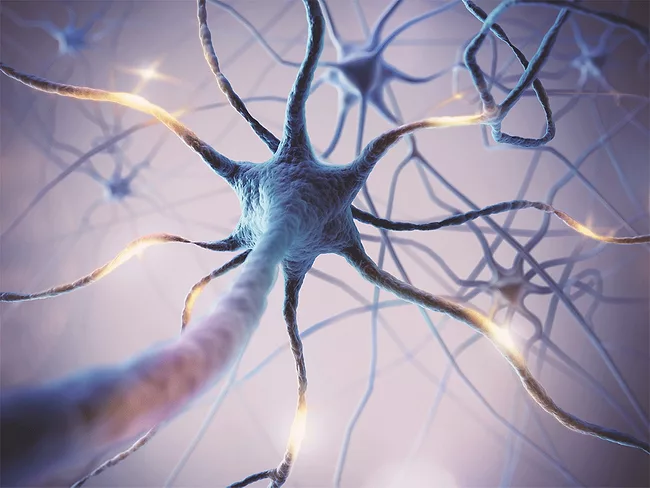
Cancer both imitates and hijacks the nervous system, to the extent that some researchers consider tumor-neuronal interactions a new hallmark of cancer. Unsurprisingly, the parallels are particularly strong in brain cancers. Glioblastomas form electrically interconnected networks, similar to neuronal-glial gap junctions, that help them grow. Now, researchers have identified key players in these networks, as well as ways to target them and possibly take down the networks.
Heat-shock protein 90 (HSP90) is known to be a key member of the epichaperome complex that is involved in the maintenance of protein homeostasis during stressful and nonstress conditions, and known to be overexpressed in glioma tumors, conferring cancer cells survival and resistance to therapy. In this study, researchers at The University of Texas MD Anderson Cancer Center investigated the activity and toxicity profile of MPT-0B640, an HSP90 inhibitor, for treating gliomas and its ability to cross the blood-brain barrier (BBB) using glioma stem-like cell (GSC) lines.