A study from Weill Cornell Medicine and The Jackson Laboratory has described the epigenetic mark SARS-CoV-2 left on immune system stem cells in the most severe cases of COVID-19 early in the pandemic, before the development of vaccines. In their work published in Cell on Aug. 18, 2023, the researchers presented a new methodology to analyze the epigenetic changes in monocytes and circulating hematopoietic stem and progenitor cells (HSPCs) that give rise to monocytes. That allowed corresponding author Steven Josefowicz and his colleagues to see if there were already changes induced by COVID-19 before HSPCs differentiated into monocytes.
A study published online in the Proceedings of the National Academy of Sciences on April 14, 2023, showed that strokes cause numerous changes in gene activity in affected microvessels in the brain, and these changes were potentially targetable with existing or future drugs to alleviate brain injury or improve stroke recovery. Treatments available for stroke are very limited and are mainly focused on the recanalization of the obstructed larger cerebral arteries. However, it is known that strokes affect the cerebral microvasculature too, for which there are no current therapies in the clinic.
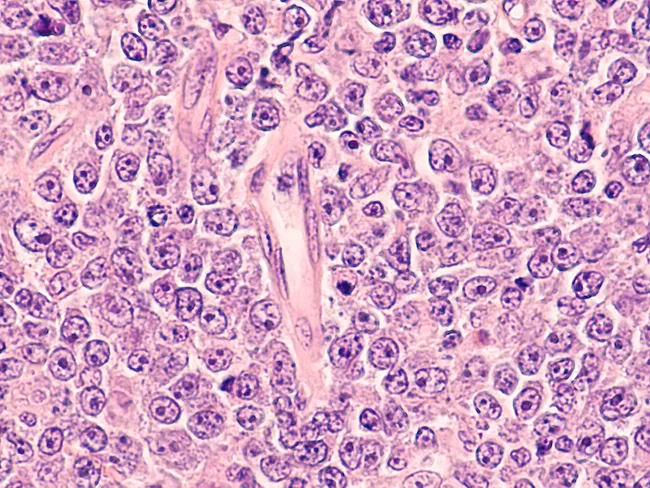
Diffuse large B-cell lymphomas (DLBCL) with mutations in B-cell translocation gene 1 (BTG1) present poor outcomes and extensive dissemination. Missense mutations of BTG1 are specific to germinal center-derived B cell lymphomas, which suggests an oncogenic function that depends on the specific cellular context. In a recent study published in Science, researchers from Weill Cornell Medicine and collaborators investigated how BTG1 mutations further contribute to the pathogenesis of these tumors.
The Gastrointestinal Research Foundation (GIRF) has launched a new initiative, CA CURE, to identify and fund research to improve diagnostics and develop therapeutics focused on immunotherapies and personalized vaccines for digestive cancers, with a focus on projects that might have difficulty attracting funds because they are too experimental or are in the initial stages of development.
Two new studies now have uncovered fungal DNA in tumors throughout the body and endeavor to characterize the cancer mycobiome. Both studies were published in the Sept. 29, 2022, online issue of Cell. Although the association between cancer and individual microbes has long been explored, recent attention has focused on the whole human microbiome.
Brisbane, Calif.-based Caredx Inc. has reported a strategic alliance with Weill Cornell Medicine that makes the company the exclusive development and commercialization partner for Uromap, a urine-based gene-expression test for acute cellular rejection in kidney transplant recipients.
The three founders of newly launched Volastra Therapeutics Inc. had plenty in common when they decided to create the company. Their offices happened to be a half block apart on 69th Street in midtown Manhattan. Their interests in oncology were similar but each approached the disease from different angles.