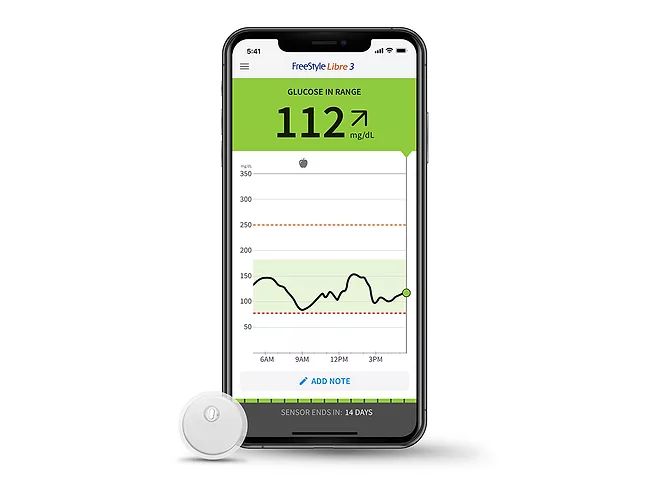
Abbott Laboratories announced a recall of Freestyle Libre 3 and Libre 3 Plus sensors used in continuous glucose monitors after receiving reports of more than 700 injuries and seven fatalities that may be associated with the sensor malfunction. The company did not describe the nature of the malfunction let alone a root cause, but said the affected product comes from only one of three production lines, and thus it expects no shortages associated with the recall.
The U.S. FDA’s early alert program has communicated a number of potential device malfunction episodes since its inception in late 2024, but the agency announced that the program is now moving out of the pilot phase to include all device types as of Sept. 29.
As Royal Philips NV works to rebuild trust after a global device recall, it is investing in new models of access, affordability, and technology to close gaps in sleep apnea diagnosis and therapy across Asia.
The U.S. FDA posted an Aug. 6 early alert regarding the use of the Watchman left atrial appendage device by Boston Scientific Corp., citing instances in which the device’s delivery system is associated with events of embolism.
The FDA announced July 17 that Dexcom Inc. recalled a series of continuous glucose monitor receivers for a failure of speakers to issue an alert for out-of-specification blood glucose measures. This is a clear demonstration of the principle that greater device functionality often creates new types of risk.
The U.S. FDA posted an update on the early alert for the Novum IQ infusion pump by Baxter International Inc., which includes a suggestion that the administration set be moved half an inch farther down the line before doubling the bolus infusion rate.
According to a new listing at the FDA device recalls and alerts webpage, Dublin-based Medtronic plc., requested customers quarantine any Bravo CF capsules, an esophageal pH monitoring system.
U.S. FDA warning letters typically have a noticeable effect on device manufacturing operations, but in the case of Q’Apel Medical Inc., a warning letter led to the withdrawal of a product for which the company made changes that were not cleared by the agency.
The FDA reported March 25 that Smiths Medical Inc., is recalling a series of oral and nasal endotracheal tubes because the diameters of the tubes may present with “a smaller diameter than expected.”
Royal Phillips NV opted to withdraw the Tack endovascular repair device only six years after the U.S. FDA’s approved it. Tack is designed to repair vascular dissection caused by angioplasty. The associated recall lists 20 injuries and no fatalities, but the device design might be a culprit in forcing the withdrawal of the Tack.