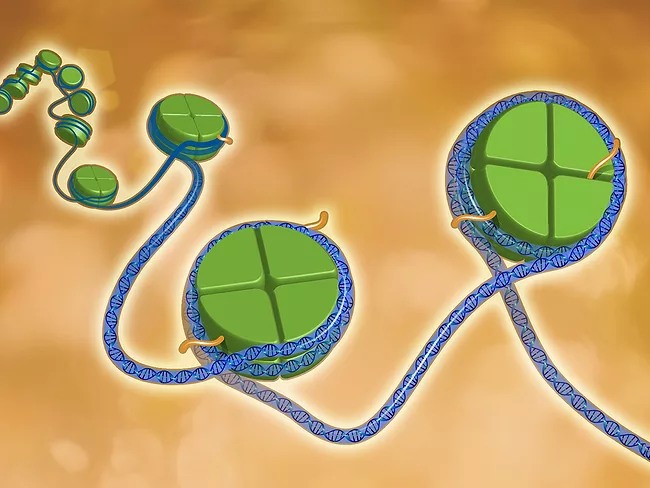
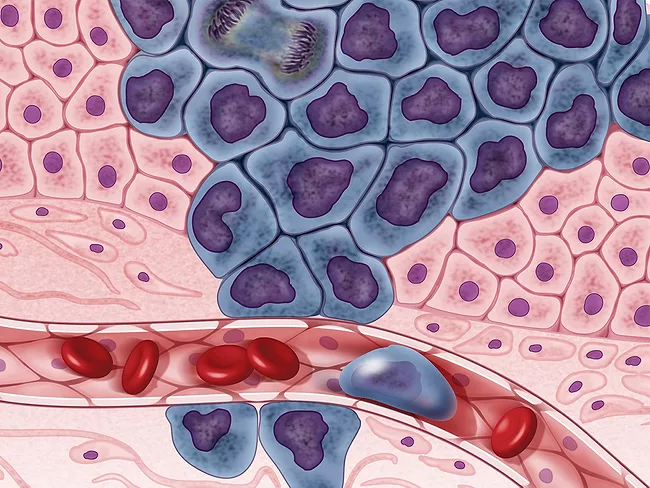
Oxford Nanopore Technologies Ltd. has established a new collaboration with UK Biobank to create the world’s first comprehensive, large-scale epigenetic dataset. The project will utilize Oxford Nanopore’s DNA/RNA sequencing technology to map the epigenome of 50,000 blood samples from UK Biobank to unlock insights into disease mechanisms, with the aim of improving patient outcomes.
Fat cells from patients who had lost weight after bariatric surgery, as well as from animals who had gained and then lost weight, were transcriptionally distinct from cells that had not experienced such weight changes at the organism level. In the animal studies, those transcriptional changes were due to epigenetic changes. The findings, which were published online in Nature on Nov. 18, 2024, are a possible molecular-level explanation for the short-term nature of most weight loss.
Gene editing strategies, from epigenetic engineering to cell reprogramming and genetic vaccines, are accelerating the development of new therapies that awaken the immune system to treat cancer, as presented last month in Rome at the 31st Annual Congress of the European Society of Gene and Cell Therapy (ESGCT). Some of these advances are taking advantage of the conditions of the tumor microenvironment, where cancer cells coexist with immune cells, microorganisms and blood vessels.
China’s Tencent Technology Co. Ltd. has invested S30 million in Insighta Ltd., an early cancer detection company that was set up as a $200 million joint venture by Prenetics Global Ltd. and inventor Dennis Lo to revolutionize multi-cancer detection.
Epigenetic silencing could prevent the production of proteins that cause pathologies. CHARM (coupled histone tail for autoinhibition release of methyltransferase), a DNA methylation-based editor, suppressed transcription of prion proteins in the brains of mice.
Alzheimer’s disease (AD) is a neurodegenerative condition in which amyloid plaques and neurofibrillary tangles accumulate in the brain. In addition to genetic factors, DNA damage and epigenetic alterations also play a key role in the pathogenesis and progression of this disease, altering gene expression, the functioning and maintenance of brain cells. DNA double-strand breaks (DSBs) and chromatin accessibility are two hallmarks of AD whose study could reveal new ways of approaching this disease.
Throughout the 2024 annual congress of the European Association for the Study of the Liver (EASL), held in Milan last week, almost all basic tracks included some reference to epigenetics, or changes to the chromatin that affect how accessible a gene is to the transcription machinery.
A group of scientists from the French National Center for Scientific Research (CNRS) have overturned a scientific dogma by demonstrating, for the first time, that DNA mutations are not essential for the development of cancer. The researchers temporarily disrupted gene silencing led by Polycomb proteins in fruit flies, and observed that this could produce tumors caused only by epigenetic changes, without permanent changes to the genome.
Prior to this year’s Annual Meeting of the American Association for Cancer Research (AACR), it had been 14 years since metastasis had been the subject of a plenary session. So, the Tuesday session on “Evolution of the genome, microenvironment, and host through metastasis” had plenty of new insights to share.
Prior to this year’s Annual Meeting of the American Association for Cancer Research (AACR), it had been 14 years since metastasis had been the subject of a plenary session. So, the Tuesday session on “Evolution of the genome, microenvironment, and host through metastasis” had plenty of new insights to share.