After expanding development of DM-199 (rinvecalinase alfa) into preeclampsia last year, Diamedica Inc. rolled out early phase II results showing the recombinant form of human tissue kallikrein-1 reduced the mother’s blood pressure, did not cross the placental barrier, and potentially improves blood flow to the fetus.
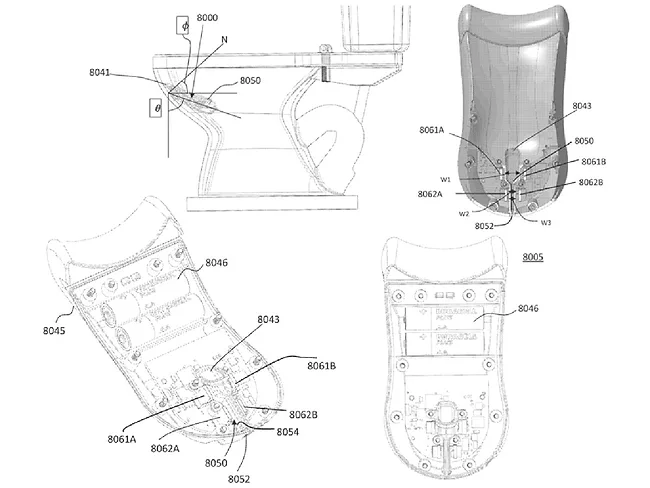
In what represents just the company’s third PCT filing, Houston-based Starling Medical Inc.’s co-founders, Hannah McKenney and William Hendricks, seek to gain further protection for their at-home urine diagnostic patient-monitoring platform that eliminates the traditional use of catching containers and dipsticks.
Mirvie Inc. continues the development of precision medicine for pregnancy-related conditions with its Encompass blood test to predict preeclampsia risk and individualized support to head off the life-threatening complication that affects one in 12 pregnancies. The test, which received U.S. FDA breakthrough device designation in 2022, is now available to order online with clinician review via telehealth.
With rates of preeclampsia skyrocketing, the U.S. FDA’s510(k) clearance of Roche Holding AG’s Elecsys test for preeclampsia offers some hope of reducing the number of women and infants who die or experience life-long consequences from the development of dangerously high blood pressure during late pregnancy and in the days immediately following delivery.
Around the end of every year, the media reports on pregnancy and women who give birth on the last and first days of the new year. They tell their stories, the names of their babies and the cities where they were born. While 2024 was coming to an end, gynecologists and other researchers finalized their publications to improve the health of women and their babies. The formation of the placenta or the study of preeclampsia are some of the first and last stories that greet and say goodbye to 2024. Those of 2025 will be born soon.
Around the end of every year, the media reports on pregnancy and women who give birth on the last and first days of the new year. They tell their stories, the names of their babies and the cities where they were born. While 2024 was coming to an end, gynecologists and other researchers finalized their publications to improve the health of women and their babies. The formation of the placenta or the study of preeclampsia are some of the first and last stories that greet and say goodbye to 2024. Those of 2025 will be born soon.
A gene therapy based on an enhanced lipid nanoparticle (LNP) loaded with vascular endothelial growth factor (VEGF) mRNA could be developed for the treatment of preeclampsia, according to a study in mice in which it alleviated maternal hypertension until the end of gestation and improved fetal health. Preeclampsia is a disease that affects 3% to 5% of pregnant women, who suffer from hypertension and proteinuria, elevated levels of protein in the urine, during pregnancy.
Researchers have hypothesized that asparagine-linked glycosylation protein 3 homolog (ALG3) may be involved in the pathogenesis of preeclampsia by impacting the function of trophoblasts. Preeclampsia is still the leading cause of maternal and perinatal mortality and morbidity, but the mechanism behind it is still not clear.
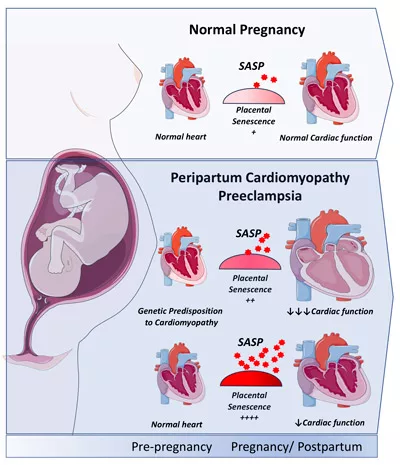
Scientists at Massachusetts General Hospital have linked the risk of heart failure during pregnancy and senescence proteins produced by placental aging, which could clarify how peripartum cardiomyopathy (PPCM) is triggered and opens the door to the development of cardiac function therapies in late pregnancy.
Aska Pharmaceutical Co. Ltd., a subsidiary of Aska Pharmaceutical Holdings Co. Ltd., and Red Arrow Therapeutics Inc. have signed a joint research agreement to develop a new treatment for preeclampsia using advanced nanotechnology.