The University of Oxford and Selvita SA have established an integrated drug discovery collaboration in the area of Parkinson’s disease. Based on evidence implicating α-synuclein aggregates as the cause of Parkinson’s, the approach looks at the inability of cells to efficiently clear these aggregates, which may lead to the death of neurons and the emergence of characteristic symptoms of the disease. Promoting the ability of nerve cells to rid themselves of these aggregates therefore offers a possible therapeutic strategy for Parkinson’s disease.
An Icelandic genome-wide association study that linked variants in a gene which regulates retinoic acid synthesis to severe osteoarthritis (OA) of the hands, has led on to the discovery of an anti-inflammatory role for the vitamin A metabolite and pointed to a new class of potentially disease-modifying drugs. A proof-of-concept clinical trial of talarozole, a retinoic acid metabolism blocking agent, is now taking place to assess if increasing retinoic acid production suppresses inflammation in the joint tissues of patients with OA.
Surviving apoptosis after administration of a drug triggered a previously unknown evolutionary process that gave tumor cells greater resistance to subsequent therapies. A cancer cell that does not die gets stronger. Cancer reappears with those cells that escape death thanks to a mechanism that, at the same time, offers a potential therapeutic target. According to a study led by St. Jude Children's Research Hospital in collaboration with the University of Glasgow and University of Oxford, the alternative to the cell death program is a stress response pathway that generates a persister cell phenotype not described before.
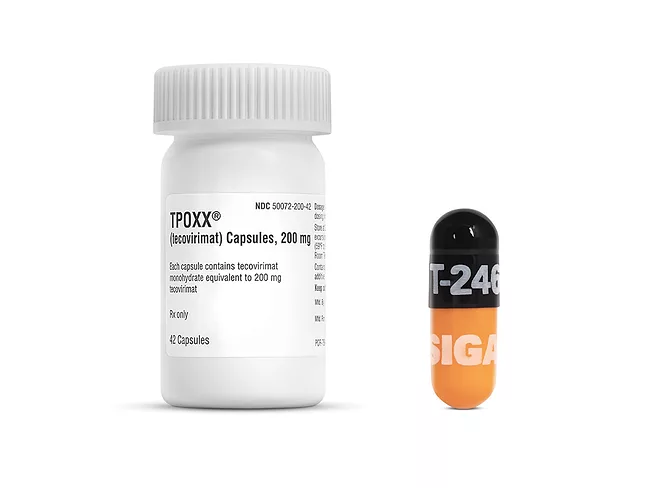
The first randomized placebo-controlled trial assessing the effectiveness of the antiviral drug Tpoxx (tecovirimat) in treating monkeypox has begun in the U.K., with the first patients enrolled on Aug. 21.
Investors have backed Oxford University spin-off ONI Ltd. with $75 million to push commercialization of its nanoimaging technology. The startup’s flagship product Nanoimager is a desktop, super resolution microscope capable of visualizing, tracking, and imaging individual molecules in living cells with 20 nm resolution. The technology is already in use with biomedical companies to aid development of more efficient, targeted therapies.
Astrazeneca plc has confirmed it is working with Oxford University to produce a vaccine against the Omicron variant of the SARS-CoV-2 virus. The Cambridge, U.K.-based pharma was one of the first to get a COVID-19 vaccine okayed by regulators, after acquiring rights to the shot from Vaccitech plc, a spin-out from Oxford University’s Jenner Institute specialist vaccine unit.
The University of Oxford has begun recruiting for a phase I Ebola vaccine trial, with the first vaccinations based around the same technology as the university’s COVID-19 vaccine.