It came as no surprise May 12 that the CDC’s Advisory Committee on Immunization Practices (ACIP) voted 14-0, with one recusal, to recommend the use of Pfizer Inc.-Biontech SE’s COVID-19 vaccine, Comirnaty (tozinameran), in 12- to 15-year-olds following the FDA’s decision earlier this week to expand the vaccine’s emergency use authorization (EUA) to that age group.
As expected, the FDA has expanded emergency use authorization (EUA) for Pfizer Inc. and Biontech SE’s COVID-19 vaccine, Comirnaty (tozinameran), to include adolescents 12 through 15 years of age, marking what Acting FDA Commissioner Janet Woodcock called "a significant step in the fight against the COVID-19 pandemic."
The race to tame COVID-19 has morphed from a sprint to a long game as companies continue their development to handle a pandemic that is becoming endemic to the planet. That’s the case with Adagio Therapeutics Inc. as it chases clinical studies and an emergency use authorization (EUA) for its monoclonal antibody, ADG-20, to treat and prevent COVID-19.
“There is a big need for a drug in outpatients. If you could treat them and keep them out of hospitals, that would be important and play a big role in getting us through this pandemic,” Romark Laboratories LC’s CEO, Marc Ayers, told BioWorld.
Positive COVID-19 efficacy numbers from Vir Biotechnology Inc. and Glaxosmithkline plc (GSK) has prompted them to immediately seek an emergency use authorization (EUA) with the FDA and similar authorizations in other countries for their monoclonal antibody, VIR-7831. Meanwhile, the phase III Remdacta study of Actemra/RoActemra (tocilizumab) plus Veklury (remdesivir) vs. placebo plus Veklury, from Roche Holding AG and Gilead Sciences Inc., missed its primary endpoint in treating hospitalized patients with severe COVID-19 pneumonia receiving standard of care.
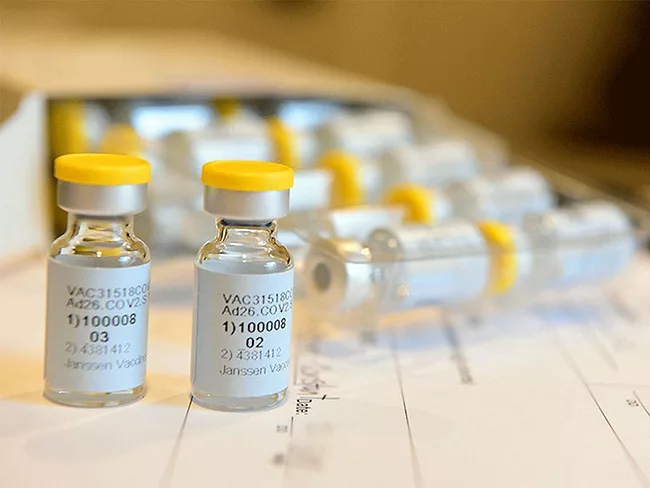
With the FDA’s granting of emergency use authorization (EUA) to Johnson & Johnson (J&J), there is now a third vaccine – and the first requiring only a single shot – against COVID-19 for adult Americans. Though it packs less of an efficacy punch, the EUA allows J&J’s Ad26.COV2.S to join mRNA vaccines from Moderna Inc. and Pfizer Inc./Biontech SE as protection against the virus.
Briefing documents released by the FDA related to the Vaccines and Related Products Advisory Committee meeting slated for Friday suggest that the COVID-19 vaccine from Johnson & Johnson (J&J) will sail smoothly to an emergency use authorization.
Another monoclonal antibody therapy has entered the pandemic fray with the FDA granting emergency use authorization (EUA) for bamlanivimab (LY-CoV555) 700 mg and etesevimab (JS016 or LY-CoV016) 1,400 mg as a cocktail for treating mild to moderate COVID-19 in patients aged 12 and up at high risk for progressing to severe COVID-19 and/or hospitalization.
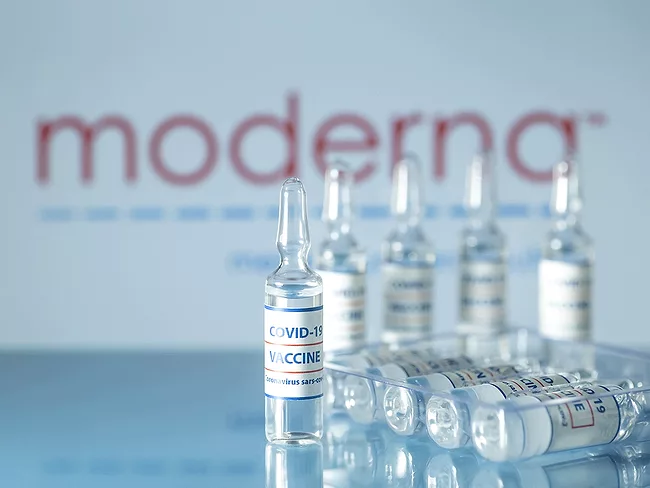
As expected, the FDA's Vaccines and Related Biological Products Advisory Committee voted near-unanimously on Dec. 17, with one abstention, that available evidence shows the benefits of Moderna Inc.'s COVID-19 vaccine, mRNA-1273, outweigh its risks for people 18 and older. The vote bolsters the likelihood that the regulator will grant the vaccine an emergency use authorization (EUA), which could come as soon as Friday. Not the same as an approval, the authorization would allow for the vaccine's use for the prevention of COVID-19 in the U.S. even as further trials and regulatory evaluation remains underway ahead of a company BLA submission.
A new FDA assessment of the data behind an emergency use authorization filing for Moderna Inc.'s COVID-19 vaccine candidate, issued in advance of a Dec. 17 meeting of the Vaccines and Related Biological Products Advisory Committee, affirmed efficacy claims for the product and identified "no specific safety concerns that would preclude issuance of an EUA."