Initial efforts at Humanigen Inc. to win an FDA emergency use authorization (EUA) for treating hospitalized COVID-19 patients with its monoclonal antibody, lenzilumab, have failed to gain the regulator's buy-in, sending company shares (NASDAQ:HGEN) down 47.3% to $7.97 on Sept. 9 after touching a 52-week low during the session, a reaction part of a volatile arc that has seen shares climb as high as $29.20 during the same time span.
Cadila Healthcare Ltd. (also known as Zydus Cadila) has received emergency use authorization (EUA) in India for Zycov-D, making it the world’s first plasmid DNA vaccine for COVID-19. Besides the adult population, the Drug Controller General of India’s nod has also given the South Asian country its first COVID-19 vaccine for adolescents ages 12 to 18.
The FDA has granted full approval to Pfizer Inc.’s COVID-19 vaccine in a move that is hoped will convince unvaccinated citizens that the shot is safe and effective. The mRNA vaccine, which will be branded as Comirnaty and was first developed by Germany’s Biontech SE, has been available since Dec. 11 last year under an emergency use authorization (EUA) and is the first to receive the FDA’s full endorsement.
Plans for offering COVID-19 vaccine booster shots in the U.S. took a big step forward Aug. 18, as Health and Human Services (HHS) public health and medical experts laid out their intention to offer booster shots across the country for people 18 and older beginning the week of Sept. 20 and starting eight months after an individual's second dose.
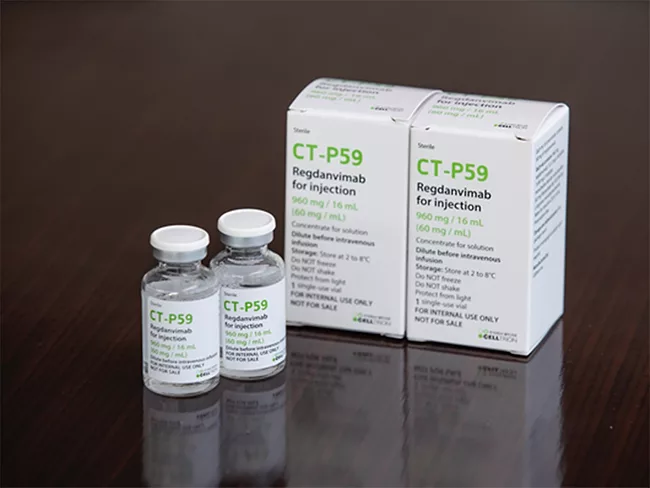
Celltrion Inc. has bagged its first green light outside Asia for its COVID-19 monoclonal antibody Regkirona (regdanvimab) with an emergency use authorization in Brazil. Brazil’s Anvisa gave the EUA for the drug to treat high-risk adult patients, including those aged 65 or older, with mild and moderate COVID-19 symptoms on Aug. 11. The regulator reached its decision on the drug, also known as CT-P59, via a unanimous vote.
Novavax Inc. now says it plans to submit an emergency use authorization (EUA) to the FDA for its highly efficacious COVID-19 vaccine, NVX-CoV2373, sometime in the fourth quarter, backing off previous plans of a second-quarter and then a third-quarter filing.
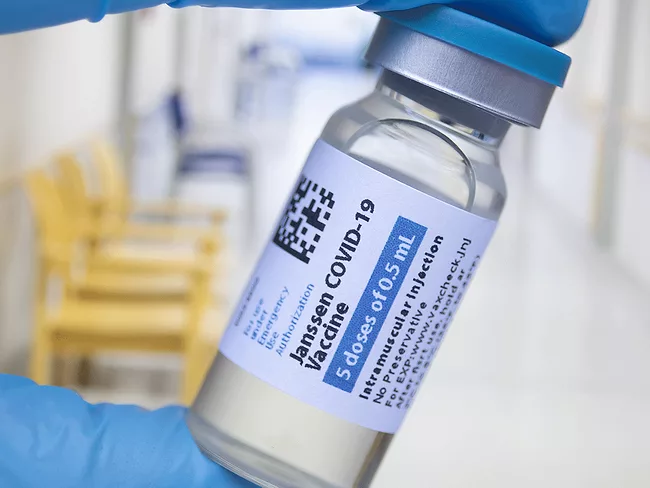
The FDA has authorized two batches of Johnson & Johnson’s COVID-19 vaccine from a troubled Emergent Biosolutions Inc. manufacturing facility to be made available under emergency use authorization (EUA) while determining that several other batches were unsuitable for use. While the FDA would not confirm the number of unsuitable batches, the newly authorized batches, however, can be used in the U.S. or exported.
Phase III stakes are always high. But for Merck & Co. Inc., results of a late-stage test of its SARS-CoV-2 antiviral, molnupiravir, stand to determine not just the fate of a desired emergency use authorization (EUA), but also a $1.2 billion purchase agreement with the U.S. government pending the EUA. The RNA polymerase inhibitor, invented at Emory University and developed with Ridgeback Biotherapeutics LP, is being evaluated in a phase III study for the treatment of non-hospitalized patients with mild to moderate COVID-19. An earlier study found it unlikely to deliver clinical benefit for hospitalized patients.
There are now two FDA-backed monoclonal antibody COVID-19 treatments after the agency granted Glaxosmithkline plc (GSK) emergency use authorization (EUA) for single-dose sotrovimab to treat mild to moderate COVID-19 in adults and children as young as 12. Vir Biotechnology Inc. collaborated on the program.
With the global COVID-19 pandemic and variants raising expectations about the need for booster shots, more companies are jumping into the vaccine space. But unless those sponsors have been engaging “in an ongoing manner” with the U.S. FDA on developing the manufacturing process and clinical trial program for their vaccine candidates, their emergency use authorization (EUA) requests may be denied, according to a new FDA guidance on EUAs for COVID-19 vaccines.