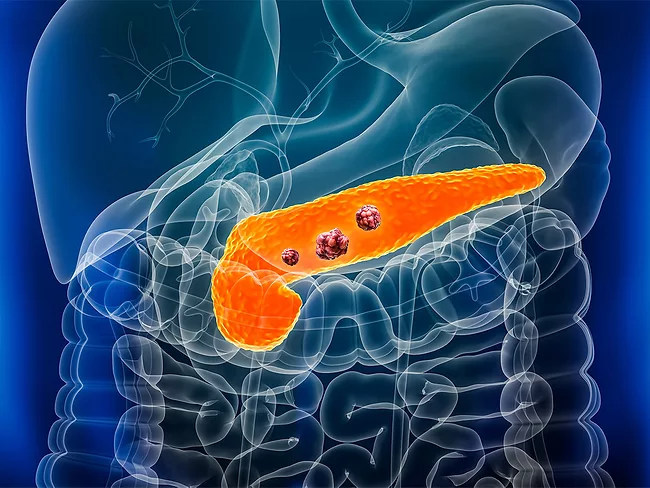
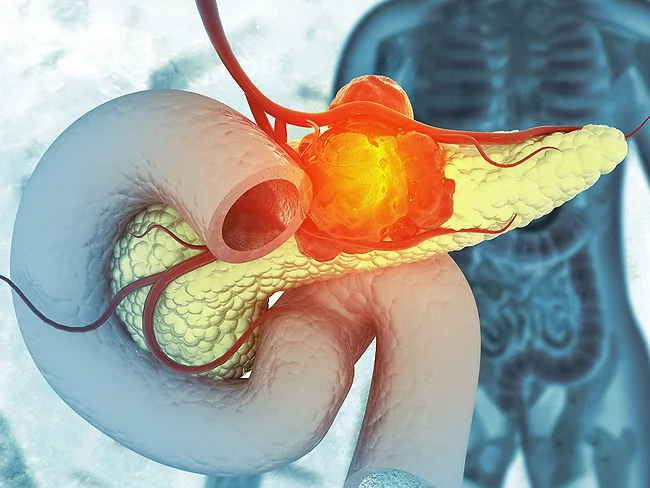
Pancreatic ductal adenocarcinoma (PDAC) is a type of cancer characterized by very poor prognosis and resistance to immunotherapy due to an immunosuppressive tumor microenvironment, which includes extensive desmoplasia and a dense stroma.
New dose-escalation data from Verastem Oncology’s phase I/II cancer study in China prompted the company to say it was encouraged by the efficacy results. However, investors felt otherwise, as the stock lost about 20% of its value the day the initial results were released.
At the 61st American Society of Clinical Oncology (ASCO) Annual Meeting, multiple companies presented clinical trial data showing their drugs and devices helped patients with pancreatic cancer live longer or improve their ability to respond to treatment.
Pancreatic ductal adenocarcinoma (PDAC) is a highly aggressive cancer. The more common BRCA wild-type (wt) subtype is particularly resistant to standard treatments such as gemcitabine and DNA-targeting agents like olaparib.
Pancreatic ductal adenocarcinoma (PDAC) accounts for more than 90% of cases of pancreatic cancer, and prognosis for PDAC remains poor despite treatment advances. One reason is that PDAC downregulates the display of antigens on the surface of tumor cells, helping it evade the patient’s immune system and therapies involving immune checkpoint inhibitors.
Theriva Biologics Inc.’s stroma-targeting oncolytic virus approach yielded positive findings in metastatic pancreatic ductal adenocarcinoma, with the top-line readout of phase IIb data showing VCN-01 (zabilugene almadenorepvec) in combination with chemotherapy bested chemotherapy alone on primary and secondary endpoints, which included overall survival.
Early phase I data for Revolution Medicines Inc.’s RAS(ON) G12D-selective inhibitor zoldonrasib encouraged both the company and the analysts. Initial study data produced a 61% objective response rate in 11 solid tumor patients receiving the 1,200-mg dose once a day. The disease control rate for 16 patients came in at 89%.
Researchers from Heidelberg Pharma AG have presented a new antibody-drug conjugate (ADC) that shows promise for treating pancreatic ductal adenocarcinoma (PDAC). The ADC, called hRS7 ATAC, targets trophoblast cell surface antigen 2 (TROP2), which is overexpressed in most pancreatic tumors and is associated with aggressive disease and poor prognosis.
A metabolic vulnerability of pancreatic ductal adenocarcinoma (PDAC) could be used to address this type of cancer that often resists treatments. Scientists at the University of Michigan have discovered that inhibiting the PIKfyve enzyme prevented tumor development and reduced tumor growth by altering the lipid synthesis these cells rely on. The KRAS-MAPK pathway is involved in this process, leading the researchers to suggest that dual inhibitors of PIKfyve and KRAS-MAPK could be an effective therapeutic strategy.