Chinese pharmaceutical and biotech companies are leading development of glucagon-like peptide-1 receptor agonists as Novo Nordisk A/S and Eli Lilly and Co. edge closer to launching blockbuster therapies in China. At the heart of the GLP-1 boom is a nationwide obesity problem driven by a confluence of factors, including the rise of a modern, sedentary lifestyle, according to Clarivate. Despite the rising prevalence of obesity and type 2 diabetes, the gap in obesity therapeutics is “substantial and leaves a solid market opportunity for weight loss drugs,” Karan Verma, principal analyst of healthcare research & data analytics at Clarivate, said.
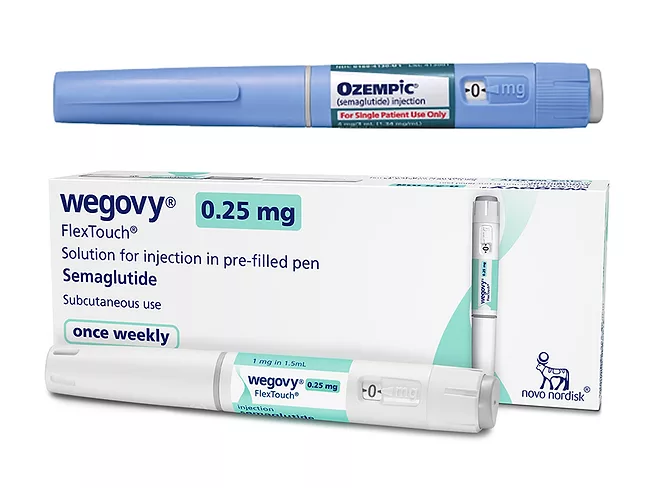
Two leading glucagon-like peptide-1 (GLP-1) receptor agonists for obesity and type 2 diabetes – Novo Nordisk A/S’s semaglutide (Wegovy/Ozempic) and Eli Lilly and Co.’s tirzepatide (Mounjaro/Zepbound) – are advancing in China after taking the U.S. market by storm. China represents the world’s largest population of diabetes and obesity patients. Its GLP-1 market, valued at about $1.7 billion in 2023 according to Clarivate, is expected to grow as the number of obesity patients is projected to exceed 500 million by 2033.
In the wake of shortages for Novo Nordisk A/S’ Ozempic (semaglutide), Australia’s Therapeutic Goods Administration has announced that Wegovy, which has the same active ingredient, is now available in Australia and is advising prescribers to stop prescribing Ozempic off-label for weight loss.
In the wake of shortages for Novo Nordisk A/S’ Ozempic (semaglutide), Australia’s Therapeutic Goods Administration has announced that Wegovy, which has the same active ingredient, is now available in Australia and is advising prescribers to stop prescribing Ozempic off-label for weight loss.
Viking Therapeutics Inc. is diving more deeply into developing obesity treatments and investors like an accelerated timetable the company has proposed. On June 25, Viking shares (NASDAQ:VKTX) catapulted 28.3% upward to close at $64.68 each.
Novo Nordisk A/S’ CEO Lars Jørgensen is set to be the next executive in the U.S. Senate Health, Education, Labor and Pensions (HELP) Committee’s pharma parade of shame. HELP Chair Bernie Sanders (I-Vt.) announced June 24 that Jørgensen will testify before the committee Sept. 24 about his company’s U.S. pricing of its blockbuster semaglutide drugs, Ozempic and Wegovy.
In the wake of Novo Nordisk’s semaglutide nabbing the title of the U.S.’s biggest blockbuster drug, it’s little surprise that Amgen Inc.’s obesity candidate, Maritide (maridebart cafraglutide), hogged the stage during the firm’s first-quarter earnings call after market close May 2, with company executives touting promising phase II data and a differentiated profile, sending shares of Thousand Oaks, Calif.-based Amgen (NASDAQ:AMGN) up nearly 12% to close May 3 at $311.29.
Just a few days after the U.S. Congressional Research Service issued a report suggesting ways Congress could resolve the unanswered questions about patent listings in the FDA’s Orange Book, the FTC sent a second round of warning letters to eight biopharma companies and their subsidiaries, citing the listing of device patents for combination products.
The U.S. government chalked up another win April 29 against the constitutional challenges to the Inflation Reduction Act’s provision mandating direct Medicare price negotiations for selected prescription drugs.
There was a time not that long ago when Merck & Co. Inc.’s Keytruda (pembrolizumab), with its multiple cancer indications, was seen as the heir apparent to Humira’s title of the biggest blockbuster drug. Not anymore. That title now belongs to Novo Nordisk A/S’ semaglutide, approved as Ozempic in 2017 to treat diabetes and as Wegovy in 2021 to help with weight loss.