Follow-on biologic makers in China have been working to capitalize on looming patent cliffs of blockbuster biologics. Advancing biosimilars of denosumab (Prolia/Xgeva; Amgen Inc.) and semaglutide are the latest examples.
Follow-on biologic makers in China have been working to capitalize on looming patent cliffs of blockbuster biologics. Advancing biosimilars of denosumab (Prolia/Xgeva; Amgen Inc.) and semaglutide are the latest examples.
Novo Nordisk A/S is the latest drug company to be challenged by U.S. Sen. Bernie Sanders (I-Vt.), who has made tilting at prescription drug prices one of the hallmarks of his tenure as chair of the Senate Health, Education, Labor and Pensions (HELP) Committee.
Following the U.S. FDA’s March 11 approval of Novo Nordisk A/S’ glucagon-like peptide 1 receptor agonist, Wegovy (semaglutide), to reduce the risk of major adverse cardiovascular events such as heart attack and stroke, the Centers for Medicare & Medicaid Services (CMS) has issued guidance ensuring coverage.
When it comes to whether Medicare Part D should cover the new anti-obesity drugs, the U.S. Centers for Medicare & Medicaid Services and lawmakers may be caught between the math and public pressure.
Wegovy (semaglutide) has racked up another indication. The U.S. FDA approved the injectable for reducing risk of major adverse cardiovascular events such as death, heart attack or stroke and for long-term weight management. The approval expands the drug’s potential. The mighty glucagon-like peptide 1 receptor agonist from Novo Nordisk A/S was already approved for those age 12 and older who are obese and for some overweight adults with weight-related problems.
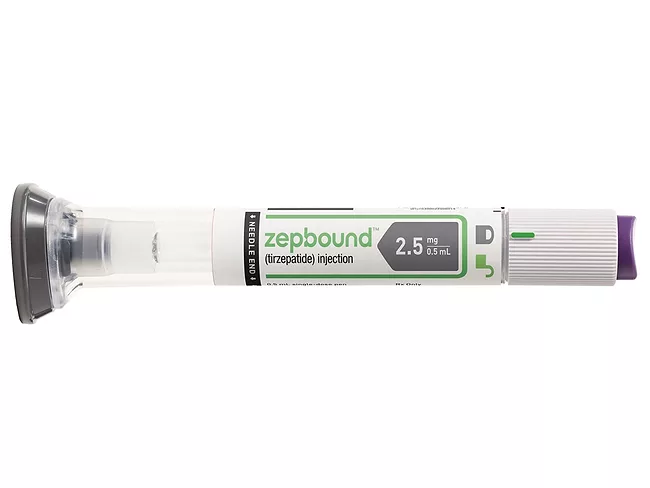
The demand for semaglutide, a GLP-1 drug, and other popular prescription weight-loss drugs is adding to the U.S. FDA’s regulatory load as more and more companies are offering unapproved knockoffs of the products directly to consumers. The FDA posted two warning letters Feb. 13 – to Miami-based US Chem Labs and a New-York company, Synthetix Inc. doing business as Helix Chemical Supply – citing the companies for misbranding unapproved semaglutide and tirzepatide, also a GLP-1 drug, by marketing them on the Internet, along with claims about their therapeutic benefits.
As Novo Nordisk A/S has struggled with supply of its GLP-1 drug Wegovy (semaglutide), its controlling shareholder, Novo Holdings A/S, has agreed to acquire global contract development and manufacturing organization Catalent Inc. and its more than 50 global sites for $63.50 per share in cash, about $16.5 billion.
The U.S. FDA cleared an IND for Neurobo Pharmaceuticals Inc.’s weight loss drug, prompting the company to say a phase I study in obesity will begin sometime during the first half of this year. The stock catapulted upward on the news.
Altimmune Inc.’s peptide-based glucagon-like peptide-1/glucagon dual receptor agonist pemvidutide hiccupped in a phase I study earlier this year but has bounced back with top-line results from its phase II study in obesity. Results showed robust reductions in body mass index and serum lipids, along with improvements in blood pressure with no imbalances in cardiac events, arrhythmias or clinically meaningful increases in heart rate. The data showed liver-fat loss similar to Novo Nordisk A/S’ GLP-1 drug Wegovy (semaglutide).