One of the features associated with early-stage Parkinson’s disease (PD) diagnosis is the presence of cognitive impairment. Other neurological conditions such as dementia, synucleopathies or amyloid disorders share the same impact on mental deterioration where the disruption of frontal-subcortical circuits is involved.
Bottneuro AG closed the first tranche of a bridge round, bringing its total capital raise in 2022 to $4.3 million. This is being used to develop its noninvasive, domestic therapy for treating early moderate-stage Alzheimer’s patients.
At the recent Clinic Trials on Alzheimer’s Disease (CTAD) conference in San Francisco, Regenlife SAS presented the design for its Light4life study examining the therapeutic efficacy of the RGn600 device. This trial on more than 100 subjects will evaluate the cognitive impacts of new photobiomodulation technology.
Axon loss is an initiating event common to several neurodegenerative disorders. In healthy axons, SARM1 (sterile α and Toll/IL-1 receptor motif-containing 1) activity, crucial for programmed axon degeneration, is restrained by the NAD+ biosynthetic enzyme NMNAT2.
Kotobuki Pharmaceutical Co. Ltd. and Astellas Pharma Inc. have described NLRP3 inflammasome inhibitors reported to be useful for the treatment of neurodegeneration and inflammatory disorders.
Researchers from the U.K. have investigated the specificity and sensitivity of clonidine growth hormone (GH) as a biomarker for the differential diagnosis of multiple system atrophy (MSA) from pure autonomic failure (PAF), Parkinson’s disease (PD) and progressive supranuclear palsy (PSP).
Research at Monash University has led to the identification of structurally novel muscarinic acetylcholine receptor (mAChR) positive allosteric modulators (PAMs) with potential utility in treating Alzheimer's disease and other cognition disorders.
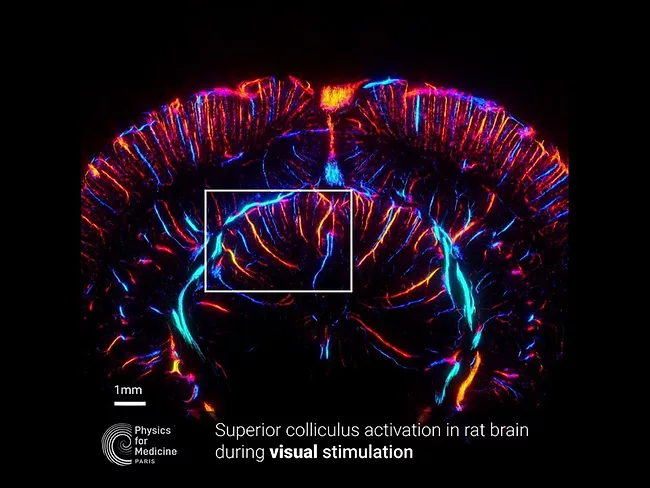
Researchers from ESPCI Paris (Paris University for Industrial Physics and Chemistry), are working on a novel functional neuroimaging technique for measuring whole-brain activity dynamically at the microscopic level.
Tau protein aggregates are present in a group of disorders, collectively termed the tauopathies. Alzheimer's disease is the most common of those disorders, while frontotemporal dementia is most strongly linked to tau. Now, a map of the proteins that interact with tau and how those interactions differ between normal and disease-associated tau protein could give new clues on how the protein causes damage in neurodegenerative disorders, and on how to treat or prevent that damage.
Alzamend Neuro Inc.’s positive preclinical data for AL-002 sent the company’s stock (NADAQ:ALZN) more than 70% higher before the market opened July 23. The Tampa, Fla.-based biopharma is researching a mutant-peptide sensitized cell for treating Alzheimer’s disease. The positive data came from a GLP toxicology study using a transgenic mouse model.