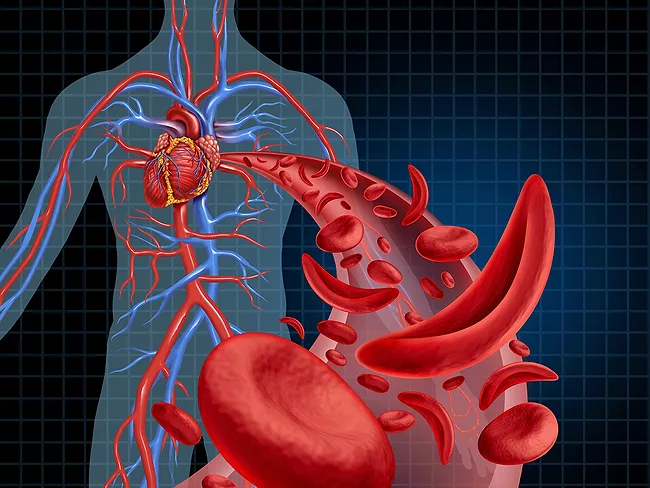
Modifying a patient’s DNA is no longer just for science fiction novels. The CRISPR gene editing technique developed by Jennifer Doudna and Emmanuelle Charpentier only took 10 years to reach the market as Casgevy (exagamglogene autotemcel/exa-cel, Vertex Pharmaceuticals Inc.), treating congenital pathologies such as β-thalassemia and severe sickle cell disease (SCD). But science does not stop.
New research shows base and prime editing can correct some forms of phenylketonuria (PKU) in mice and human cell lines, raising the prospect that this gene-editing approach could allow children born with the inherited metabolic disorder to have a treatment that would avoid the need for dietary restrictions and medication.
The discovery of DNA was a milestone in the history of science that led to a breakthrough in biomedical research. By associating disease and genetics, genome correction techniques were ultimately developed that are supposed to work in the same way that antibiotics and antivirals block pathogenic microorganisms: by directly attacking the causes of disease.
The discovery of DNA was a milestone in the history of science that led to a breakthrough in biomedical research. By associating disease and genetics, genome correction techniques were ultimately developed that are supposed to work in the same way that antibiotics and antivirals block pathogenic microorganisms: by directly attacking the causes of disease.
A proof of concept of ex vivo genetic modification of cells from patients and their transplantation in mice has demonstrated, for the first time, the therapeutic possibilities of prime editing in sickle cell disease (SCD).