Unlike amphibians, mammals do not regenerate appendages. Except when they do. “If you amputate one of the branches off of the antler [of a reindeer], it will also regenerate,” Jeff Biernaskie told BioWorld. Even without amputation, the antlers of both male and female reindeer regenerate annually, including their skin. That regeneration is “the only large mammal model of true skin regeneration,” he said.
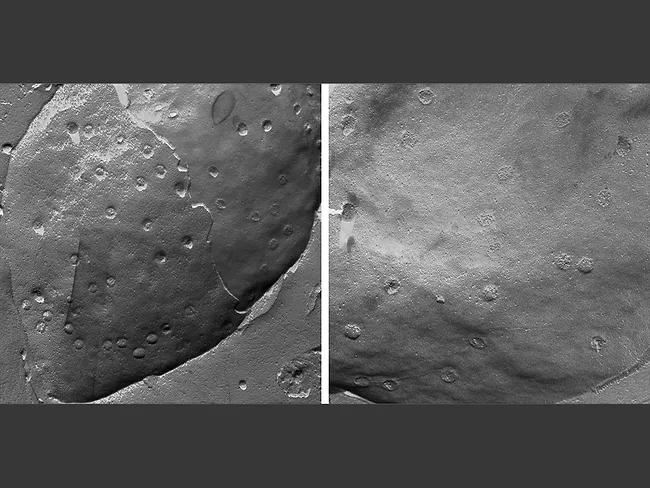
As they matured from prenatal to adult, heart cells reduced the number of nuclear pores by more than 60%. That decrease protected them from the consequences of stress, but also impaired their ability to regenerate. “These findings are an important advance in fundamental understanding of how the heart develops with age and how it has evolved to cope with stress,” senior author Bernhard Kühn, professor of pediatrics and director of the Pediatric Institute for Heart Regeneration and Therapeutics at the University of Pittsburgh School of Medicine, said in a press release. Kühn and his colleagues published those findings in the Oct. 24, 2022, issue of Developmental Cell.
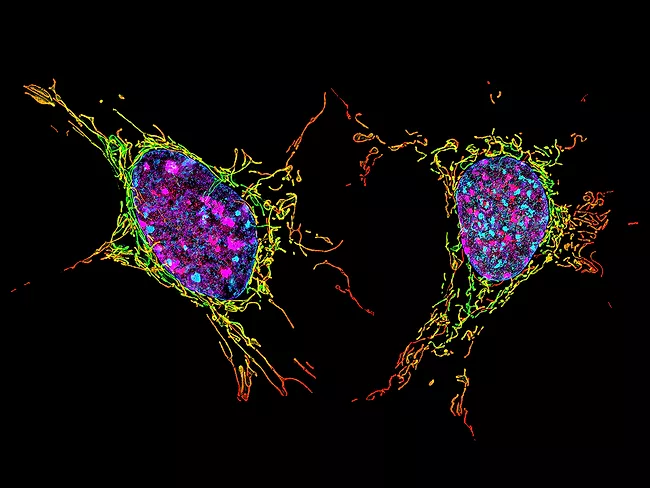
Fibroblasts expressing the tumor suppressor p16INK4a (a marker of senescence) stimulated lung stem cells from young mice to repair damaged tissue, according to a study from the University of California, San Francisco (UCSF). The finding calls into question therapies that eliminate these senescent cells without considering their beneficial role in tissue homeostasis.
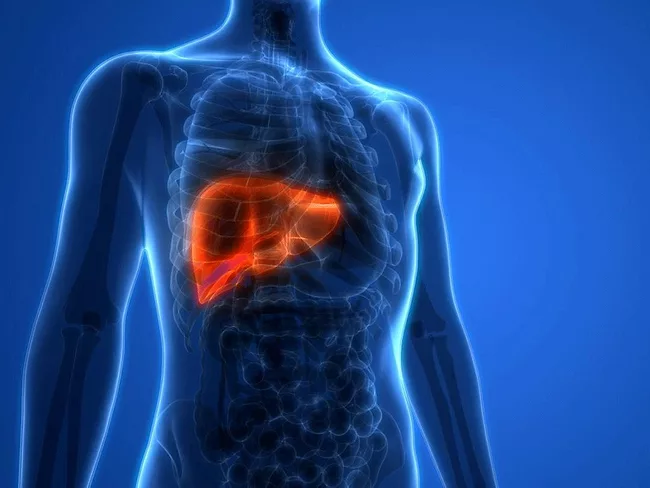
In contrast to most adult mammalian tissues, the liver can regenerate itself to an impressive degree. That regeneration is critical to survival – as a key digestive organ, the liver deals with all sorts of toxins, from rotten-ish food in the wild to alcohol in more cultured settings.
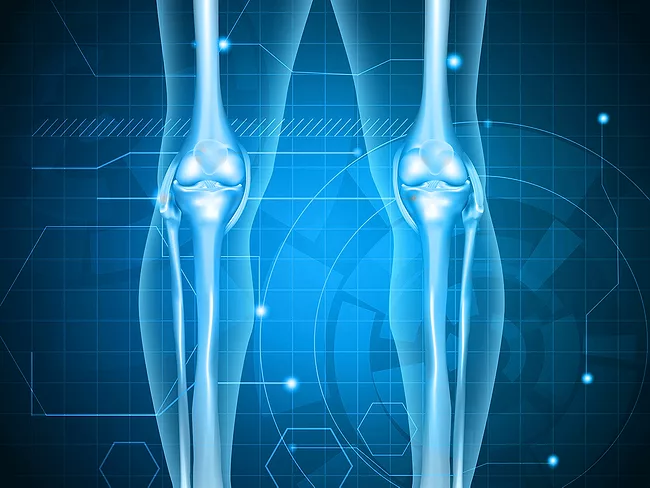
DUBLIN – Novadip SA raised €19 million (US$22.1 million) in a first close of a series B round to progress its autologous bone regeneration therapy, NVD-003, on either side of the Atlantic. The company is also working on an allogeneic regenerative approach, which is still preclinical.