U.S. lawmakers concerned about unconfirmed clinical benefit of drugs with accelerated approval got more fodder for their arguments in a new report from the Department of Health and Human Services Office of Inspector General (OIG). According to that report, which was released Sept. 29, Medicare and Medicaid have spent more than $18 billion over the past few years covering 18 drugs granted accelerated approval that haven’t completed their confirmatory trials even though the trial completion dates have passed.
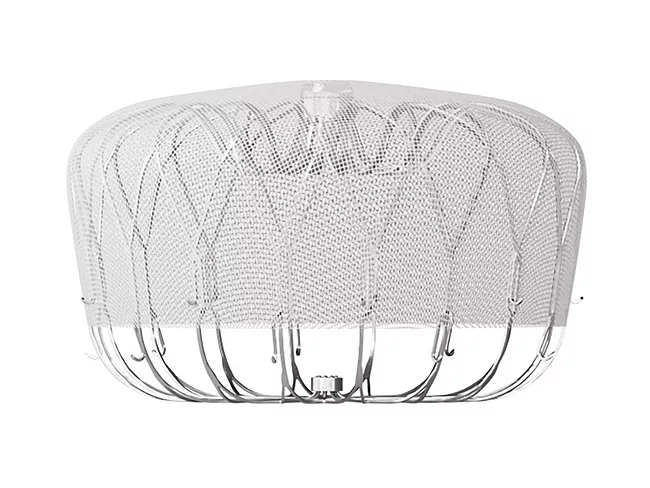
Boston Scientific Corp. and Abbott Laboratories continue to parry over clinical trials comparing the latter’s Amplatzer Amulet with Boston Scientific’s Watchman in sealing the heart’s left atrial appendage (LAA) to prevent ischemic stroke in patients with atrial fibrillation (Afib). In one of five presentations at the 34th Transcatheter Cardiovascular Therapeutics annual scientific symposium in Boston in mid-September, Abbott said device-related thrombosis or peri-device leak more frequently preceded strokes in patients with Watchman compared to those with Abbott’s Amplatzer Amulet device.
Transcatheter aortic valve replacement (TAVR) continues to grow, so it is little surprise that the 2022 Transcatheter Cardiovascular Therapeutics (TCT) annual meeting featured multiple presentations about TAVR-related devices and outcomes. The American College of Cardiology/American Heart Association’s latest guidelines recommends TAVR for patients over age 80 and surgery for those under age 65. Those in the middle can go either way, depending on comorbidities and patient preferences.
Abiomed Inc., has worked the ventricular assist device (VAD) space for a number of years with its Impella series of VADs, and a study coming out of Japan seems to affirm investors’ confidence in these devices. This registry study demonstrated that the combination of Impella devices and extracorporeal membrane oxygenation (ECMO) provides a 30-day survival rate of more than three in four patients with cardiogenic shock, an outcome that is said to support the notion that the native heart tissue can recover from myocarditis, an especially salient consideration for those who contracted the SARS-CoV-2 virus.
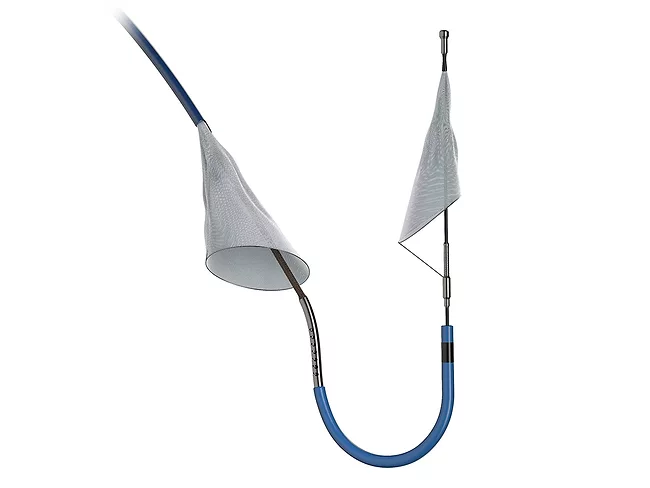
Boston Scientific Corp.’s Sentinel cerebral protection system missed its primary endpoint of reduced stroke in the PROTECTED TAVR clinical trial. The data did, however, show a significant reduction in risk of disabling stroke in the immediate days after a transcatheter aortic valve replacement (TAVR) procedure.
While no one can tell the future, a panel of autoantibodies developed by researchers at New York University Grossman School of Medicine and Perlmutter Cancer Center may give physicians a much better idea about how a patient will respond to immunotherapy. That could help improve therapy selection by accurately predicting whether a patient’s cancer will recur following immunotherapy or they will experience autoimmune side effects as a result of treatment, a study published in Clinical Cancer Research on Sept. 15 found.
Verici Dx plc reported positive results in the initial validation of its pre-transplant blood test for predicting the risk of early acute kidney rejection.
Medical science has been experimenting with smart devices for several years to determine whether these products can detect circulatory system diseases, and a study presented at the 2022 meeting of the European Society of Cardiology (ESC 2022) seems to strongly suggest that the answer is a resounding yes. The eBRAVE-AF study of more than 5,500 enrollees of middle age or older demonstrated the ability of a smartphone camera and a downloadable app to at beat conventional screening for atrial fibrillation (AF), a finding that could save lives and boost the prospects of device makers in the digital health space.
Brazilian regulatory agency Anvisa reported that it is participating in an investigation that launched Aug. 25 into alleged crimes of smuggling, misrepresenting, distributing and delivering proxalutamide related to a clinical trial in Brazil.
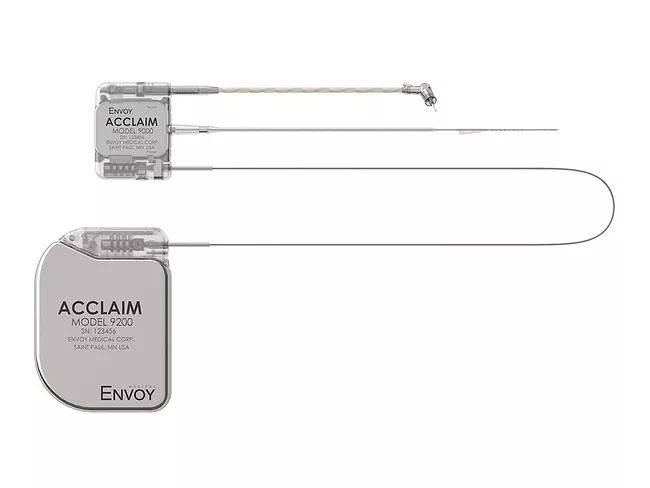
The U.S. FDA gave Envoy Medical Corp. the thumbs up to conduct an early feasibility study of its Acclaim cochlear implant. The fully implanted system, which earned a breakthrough device designation from the FDA, aims to be the first cochlear implant to address hearing loss without the use of any external components.