Recruitment underway for Toronto-based Vielight Inc. has commenced recruitment for a clinical trial in the U.S. to study how brain stimulation photobiomodulation (PBM) might mitigate long-term cognitive impairment from long Covid. The study intervention comes on the heels of Canadian approval of a device to treat the acute version of Covid, involving light emitting diodes (LEDs) placed inside the nasal cavity and on the chest to deliver near infrared (NIR) light to the body.
Alnylam Pharmaceutical Inc. hopes to tap into Roche Holding AG’s global footprint with its early-stage hypertension RNAi therapeutic, zilebesiran, selling development and commercialization rights to the pharma giant for up to $2.8 billion with a view to extending the drug’s future reach beyond the U.S market.
Two separate insider trading tips involving a biopharma acquisition and trial results for Pfizer Inc.’s COVID-19 antiviral, Paxlovid, allegedly netted millions of dollars in “ill-gotten” trading profits, according to U.S. SEC complaints announced June 29.
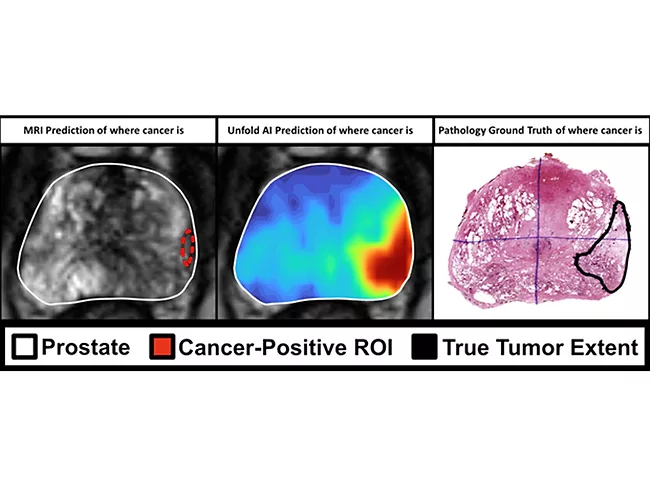
Avenda Health Inc. reported new study results showing its Unfold AI platform, which uses artificial intelligence (AI) to map a tumor’s location within the prostate, encapsulates all of the clinically significant cancer present in the gland more effectively than standard care.
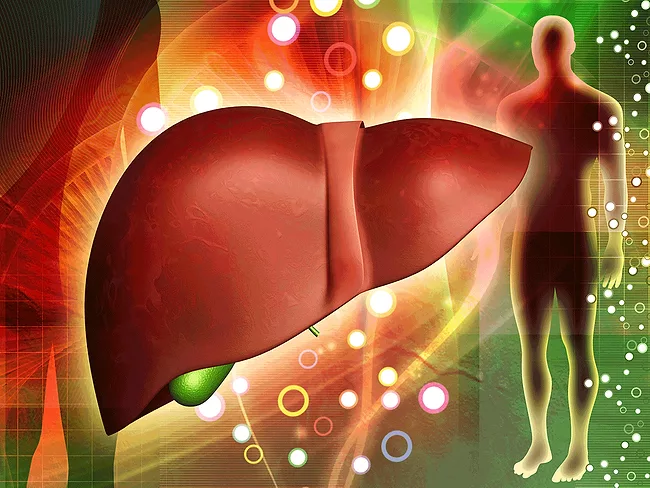
Patients with nonalcoholic fatty liver disease (NAFLD) and type 2 diabetes had a 44% reduction in liver fat after receiving Inventiva Pharma SA’s PPAR agonist, lanifibranor, in a phase II trial, findings that caused the Daix, France-based company’s stock to soar.
Gamma imaging is about to move out of the centralized nuclear medicine department and to the point of care, with the start of a U.S. study of a portable device Seracam, under development by Serac Imaging Systems Ltd. The study, at Ohio State University, will compare the performance of Seracam to its larger, fixed, counterpart in imaging the same patients, on the same day.
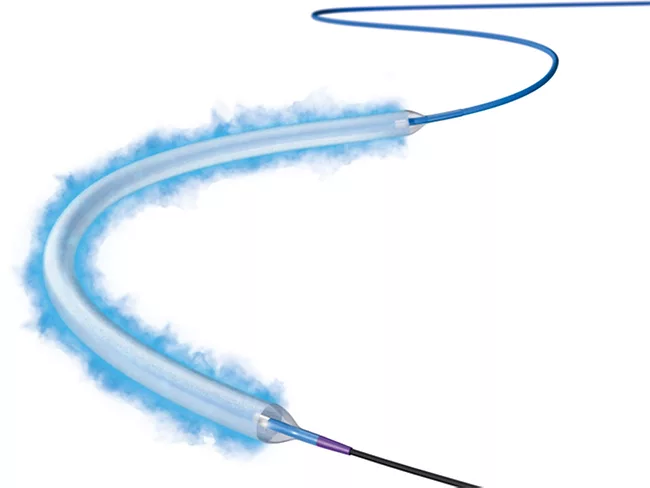
Boston Scientific Corp. said that three-year primary patency and the four-year freedom from target lesion revascularization (TLR) rate for patients treated with the Ranger drug-coated balloon (DCB), in the Ranger II superficial femoral artery (SFA) study, are the best ever reported data for randomized trials using DCBs.
Renal denervation (RDN) was described as the “comeback kid” at the recent EuroPCR conference in Paris where participants argued that following the success seen in several sham-controlled trials, there is now no doubt about the safety and the efficacy of the technology as a treatment for hypertension. The device-based procedure should now be used as a therapy option to reduce high blood pressure in patients, delegates heard.
The researchers who enabled patients with spinal cord injuries to walk independently after implanting programmable electrodes below their lesions have now taken things one step further, restoring direct communication from the brain to the spinal cord, enabling the brain rather than an external computer to direct leg movements.
The researchers who enabled patients with spinal cord injuries to walk independently after implanting programmable electrodes below their lesions have now taken things one step further, restoring direct communication from the brain to the spinal cord, enabling the brain rather than an external computer to direct leg movements.