Immunocytokines (ICs) engage multiple mechanisms of action by the use of antibodies to deliver cytokine payloads to the surface of the same immune cell, known as cis-signaling. Researchers from Bright Peak Therapeutics AG have developed ICs by using a novel approach based on site-specific chemical conjugation of engineered cytokines to existing nonmodified antibodies.
Scinnohub Pharmaceutical Co. Ltd. has synthesized S-adenosylmethionine synthase isoform type-2 (Mat2A) inhibitors reported to be useful for the treatment of cancer.
Heptares Therapeutics Ltd. has presented G protein-coupled receptor GPR35 agonists reported to be useful for the treatment of acute and chronic pain, gastrointestinal and lung diseases.
AZD-4820 was evaluated in a cell viability assay performed in 30 human cancer cell lines, defining 12 different types of cancer, and testing a dose-range of multiplicity of infection (MOI); potent oncolytic activity was observed with EC50 values of <0.1 MOI in nearly all of the tested cells.
CD39 has an essential role in converting extracellular adenosine triphosphate (ATP; pro-inflammatory) into adenosine monophosphate (AMP; anti-inflammatory). Preventing the action of CD39 in the tumor microenvironment would increase levels of ATP, causing myeloid cell activation and improvement of tumor control.
Navrogen Inc. has entered into a cooperative research and development agreement (CRADA) with researchers at the U.S. National Cancer Institute (NCI), part of the National Institutes of Health (NIH). Under this CRADA, Navrogen will sponsor the clinical investigation of the experimental antibody-drug conjugate (ADC) NAV-001, under supervision of the NCI.
Haisco Pharmaceutical Group Co. Ltd. has described protein arginine N-methyltransferase 5 (PRMT5) inhibitors reported to be useful for the treatment of cancer.
Suzhou Zion Pharma Technology Co. Ltd. has divulged serine-protein kinase ATM (ataxia telangiectasia mutated) inhibitors reported to be useful for the treatment of cancer.
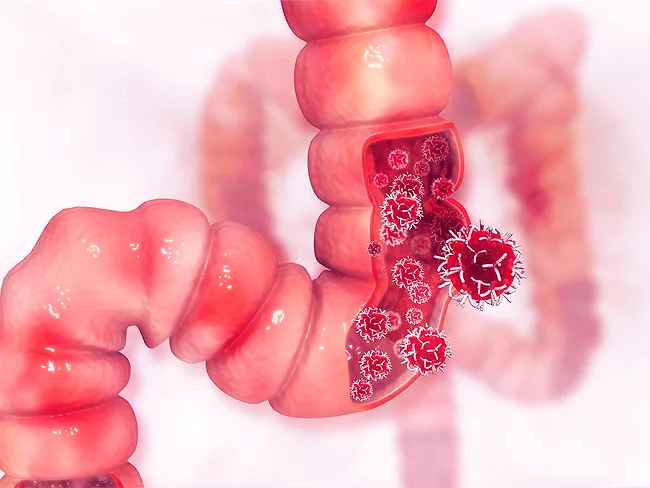
Topoisomerase I (topo I) and cyclooxygenase-2 (COX-2) are known targets in colon cancer, and Chinese scientists have sought dual topo I/COX-2 inhibitors to provide anticancer activity without the potential for side effects seen with combined therapy.